
 By NewsMatrix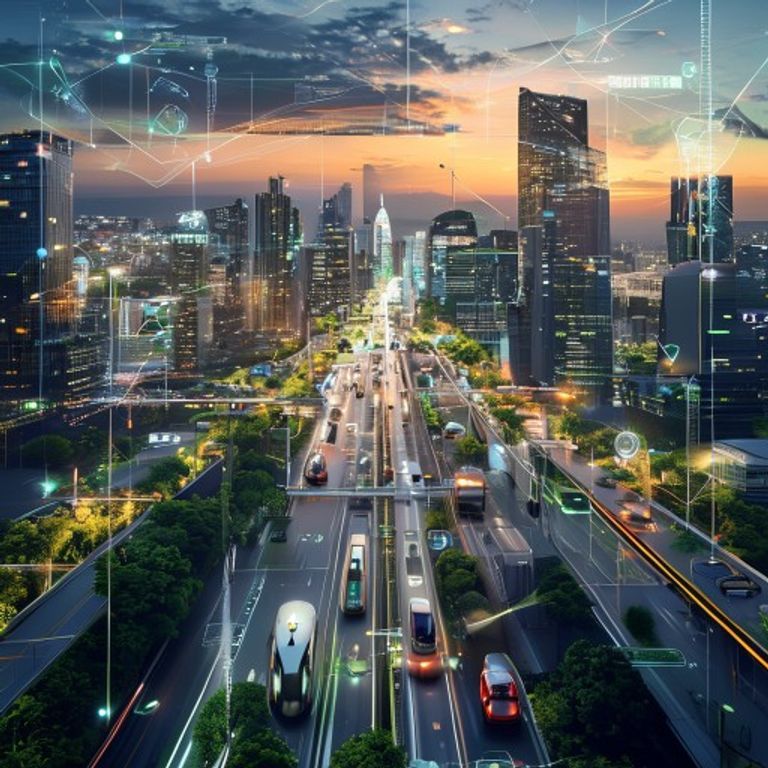
The Dawn of the Smart City Era
As we navigate the complexities of the 21st century, the concept of urban living is undergoing a profound transformation. At NewsMatrix, we have been closely tracking how technology is not just enhancing, but completely redefining the way we interact with our urban environments. The smart city, once a concept relegated to science fiction, is now becoming a tangible reality, promising a future that is more efficient, sustainable, and inclusive.
At its core, a smart city leverages data and technology to improve operational efficiency, share information with the public, and provide a better quality of government service and citizen welfare. It is the integration of the Internet of Things (IoT), artificial intelligence, and big data analytics that allows cities to breathe, adapt, and evolve in real-time.
Key Pillars of Smart City Infrastructure
Intelligent Transportation Systems
One of the most visible impacts of smart technology is in the realm of transportation. NewsMatrix reports have highlighted how cities are implementing intelligent traffic management systems that adjust signal timings based on real-time traffic flow, significantly reducing congestion and carbon emissions. Furthermore, the push towards autonomous public transit and integrated mobility-as-a-service platforms is making it easier for citizens to commute without relying on personal vehicles.
Energy Efficiency and Sustainability
Sustainability is a non-negotiable aspect of the future city. Smart grids are revolutionizing energy management by allowing for the seamless integration of renewable energy sources and optimizing consumption patterns. From smart street lighting that dims when no one is around to waste management systems that optimize collection routes, the goal is to create a closed-loop system that minimizes waste and maximizes efficiency.
Data-Driven Governance and Public Safety
Effective governance requires accurate data. Smart cities utilize a vast network of sensors to gather insights into everything from air quality to infrastructure health. This data-driven approach empowers city planners to make informed decisions that directly benefit residents. Additionally, advancements in public safety, such as predictive analytics for emergency response and smart surveillance, are creating safer urban spaces for everyone.
The Challenges of Digital Urbanization
While the benefits are clear, the path toward becoming a fully realized smart city is fraught with challenges. At NewsMatrix, we recognize that infrastructure upgrades come with significant costs, and the digital divide remains a pressing issue. It is imperative that smart city initiatives do not leave vulnerable populations behind. Bridging the gap in digital literacy and ensuring equitable access to high-speed connectivity must be at the forefront of urban planning.
Privacy and Cybersecurity Concerns
The collection of massive amounts of data naturally raises concerns about privacy and surveillance. Citizens must have transparency regarding what data is being collected and how it is being used. Furthermore, as cities become more digitized, they become more susceptible to cyber threats. Protecting critical infrastructure from malicious attacks is a paramount concern for municipal authorities worldwide.
NewsMatrix Perspectives: The Role of Community Engagement
Technology alone cannot build a great city. The most successful smart city projects are those that prioritize human-centric design. At NewsMatrix, we emphasize that community engagement is crucial. When residents are involved in the design and deployment of smart solutions, the results are more relevant and widely accepted. A smart city should serve its people, not just the systems that govern them.
Looking Ahead: The Evolution of Urban Life
The future of urban living is not just about gadgets and sensors; it is about creating environments that foster connectivity and improve our overall well-being. As we move forward, we expect to see further integration of digital twins, which allow city planners to simulate changes before implementing them in the real world. This capability will lead to more resilient cities capable of weathering the impacts of climate change and shifting societal needs.
In conclusion, the smart city transition is an ongoing process of innovation and adaptation. While there are hurdles to overcome, the potential to create healthier, cleaner, and more vibrant urban environments is within reach. NewsMatrix remains committed to covering these developments, providing the insights needed to navigate this exciting new era of urban evolution.