
 By NewsMatrix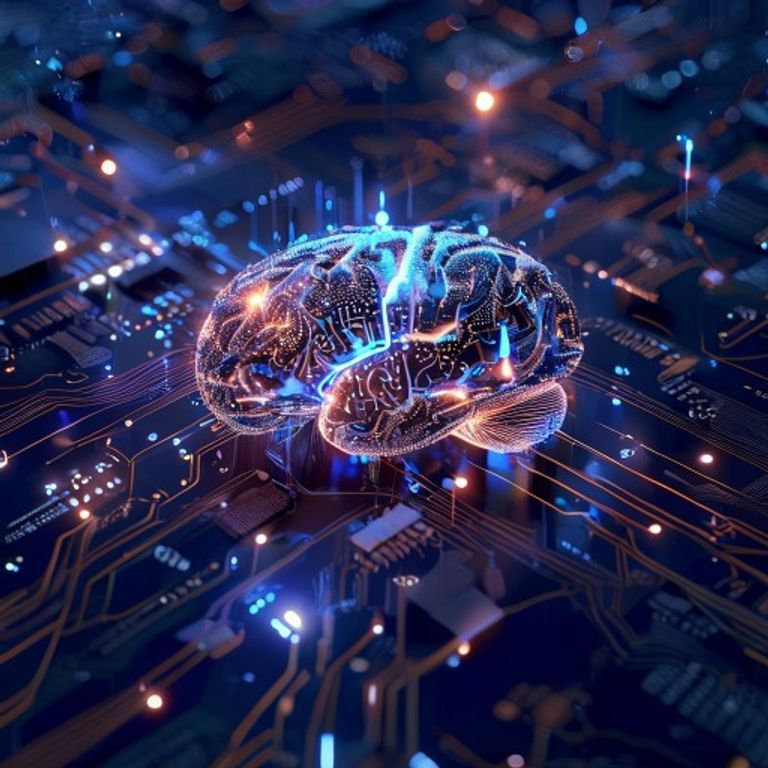
Introduction to the AI Revolution
As we stand on the precipice of a new technological era, artificial intelligence (AI) has emerged as the most transformative force of our time. At NewsMatrix, we recognize that AI is no longer a futuristic concept reserved for science fiction; it is deeply embedded in our daily lives, influencing everything from the content we consume to the medical diagnoses we receive. This evolution brings both unprecedented opportunities and complex challenges, making it essential to understand the current landscape of the technology.
The Technological Drivers of Modern AI
At its core, the rapid advancement of AI is driven by a convergence of three major factors: massive computational power, the availability of vast datasets, and sophisticated algorithmic breakthroughs. Here at NewsMatrix, we have closely monitored the development of deep learning models that allow computers to recognize patterns, translate languages, and even generate human-like creative content.
Machine Learning and Neural Networks
Machine learning is the engine behind contemporary AI. By simulating the way biological neural networks function in the human brain, artificial neural networks allow machines to learn from experience. As these systems are exposed to more data, their ability to make accurate predictions increases exponentially. This is why services that rely on AI recommendation engines have become so uncannily good at understanding user preferences.
Generative AI: The New Frontier
The most visible shift in the past two years has been the rise of generative AI. Large Language Models (LLMs) can now write code, draft complex legal documents, and compose music. While these tools offer incredible productivity boosts, they also force us to question the nature of creativity, authorship, and information authenticity, a topic we frequently analyze here on NewsMatrix.
Ethical Considerations in the Age of Automation
With great technological power comes the need for significant ethical oversight. As AI systems become more autonomous, the risks associated with bias, privacy, and displacement must be addressed proactively. Transparency is the cornerstone of responsible innovation, and it is a pillar we stand by at NewsMatrix.
The Challenge of Algorithmic Bias
One of the primary concerns facing AI development is bias. Because these models are trained on historical data, they often inherit the prejudices present in that data. Whether it is in hiring, law enforcement, or lending practices, unfair algorithms can perpetuate systemic inequalities. Developers are now under immense pressure to audit their datasets and build fairer, more inclusive systems.
Privacy and Surveillance
Data is the fuel that powers AI. However, the hunger for more data often clashes with individual privacy rights. At NewsMatrix, we frequently discuss the tension between building smarter, more personalized AI and the need to protect the sensitive personal information of millions of users. The future of the industry will likely be defined by how well companies balance these competing interests.
The Impact on the Global Workforce
Automation is changing the nature of work. While some fear massive unemployment, history suggests that technological revolutions tend to create new types of jobs that we cannot yet imagine. However, the transition period can be painful for displaced workers.
Reskilling and Upskilling
The demand for human-centric skills—such as critical thinking, emotional intelligence, and complex problem-solving—will likely increase. At NewsMatrix, we advocate for robust educational programs that prepare the workforce for an AI-integrated economy. Investing in human capital is just as important as investing in server hardware.
Collaboration Between Humans and Machines
Rather than thinking of AI as a replacement for human intelligence, we should view it as a powerful assistant. Augmented intelligence can help professionals work faster, reduce human error, and unlock new creative possibilities. The most successful organizations in the coming decade will be those that master the art of human-AI collaboration.
The Road Ahead: Regulation and Global Governance
As AI technology crosses international borders, the need for a unified regulatory framework is becoming apparent. Governments worldwide are beginning to craft policies to ensure that AI development remains safe and ethical.
- Defining clear liability standards for AI-driven decisions.
- Implementing global safety protocols for high-stakes AI models.
- Protecting intellectual property in an era of generative content.
- Ensuring environmental sustainability in high-compute AI research.
At NewsMatrix, we remain committed to covering these policy discussions in detail, keeping our readers informed as international regulations take shape.
Conclusion
The artificial intelligence revolution is not merely a technical update; it is a fundamental shift in how human beings interact with information and the world around them. As NewsMatrix continues to track these developments, we encourage our readers to remain curious and critical. The future of AI is not pre-determined; it is something we are creating together, day by day, decision by decision. Staying informed is the first step toward ensuring that this powerful technology serves the greater good.