
 By NewsMatrix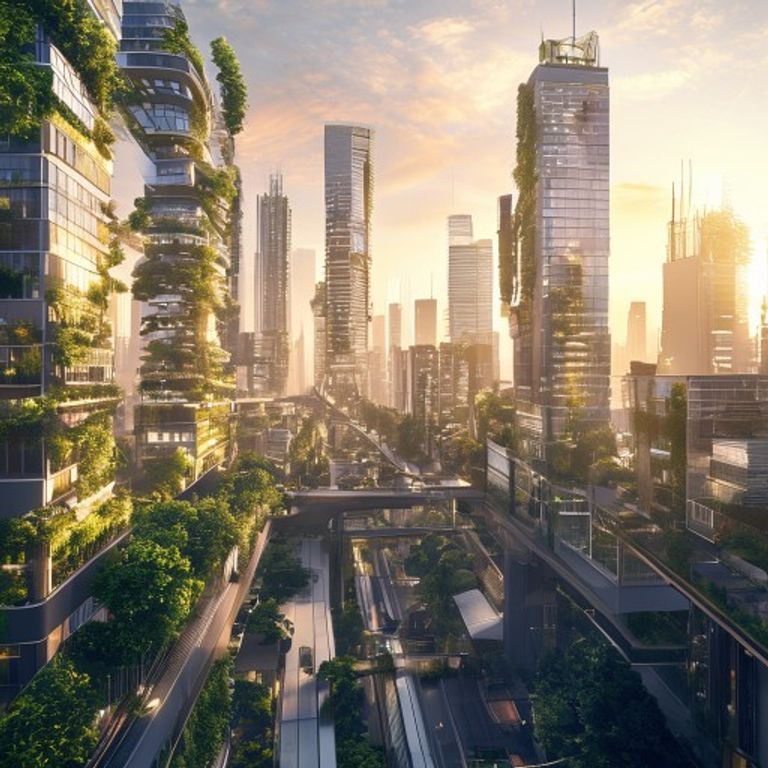
The Imperative for Sustainable Urban Development
As the global population continues to shift toward urban centers, the demand for more efficient, livable, and sustainable infrastructure has reached a critical juncture. At NewsMatrix, we have closely followed the rapid transformation of metropolitan areas, recognizing that the cities of tomorrow cannot be built on the outdated foundations of the past. Sustainable urban planning is no longer a luxury or a niche interest; it is the fundamental framework required to ensure economic prosperity and environmental health for future generations.
Traditional urban expansion has often favored sprawl, leading to increased carbon emissions, habitat fragmentation, and social isolation. However, a new paradigm is emerging. Planners, architects, and policymakers are now prioritizing compact, mixed-use developments that encourage walking, cycling, and robust public transit. By shifting our focus from car-centric designs to people-centric environments, we can fundamentally alter the trajectory of our urban future.
The Role of Green Infrastructure
One of the most significant components of modern sustainable planning is the integration of green infrastructure. This involves more than just planting a few trees; it is about creating holistic systems that manage water, regulate temperature, and support biodiversity within a concrete landscape. NewsMatrix has highlighted numerous projects where developers are incorporating green roofs, permeable pavements, and urban forests to mitigate the heat island effect that plagues so many major cities.
These interventions offer a range of benefits beyond environmental sustainability. For example, permeable surfaces help prevent flash flooding by allowing water to soak into the ground, reducing the strain on municipal drainage systems. Simultaneously, green spaces have been proven to enhance the mental health and well-being of residents, making cities not just sustainable, but truly livable.
Smart Cities and Data-Driven Planning
Technology serves as the backbone of the sustainable city. With the rise of the Internet of Things (IoT) and big data, urban planners at organizations like NewsMatrix observe that we can now monitor and optimize city resources in real-time. Smart grids, intelligent lighting systems, and dynamic waste management platforms are just a few examples of how data-driven insights are reducing resource consumption.
Consider the potential for optimized public transportation. Through real-time tracking and predictive modeling, city planners can ensure that buses and trains are running exactly where and when they are needed, reducing wait times and encouraging more people to opt for public transit over private vehicle ownership. As NewsMatrix reported in our recent infrastructure review, cities that embrace these smart solutions report a significant reduction in traffic congestion and lower energy costs.
Rethinking Energy and Waste
A truly sustainable city must move toward a circular economy. This means rethinking how energy is generated and how waste is processed. Moving away from reliance on fossil fuels in favor of localized renewable energy production—such as solar panels integrated into building facades or localized wind energy—is essential. NewsMatrix advocates for policies that incentivize developers to include renewable energy generation in all new construction projects.
- Implementation of solar-integrated building envelopes.
- Investment in district heating and cooling systems to reduce electricity waste.
- Expansion of municipal composting and advanced recycling programs to achieve zero-waste goals.
- Encouragement of regenerative building materials, such as mass timber, which lower the carbon footprint of construction.
The Social Aspect of Urban Sustainability
While technology and environmental engineering are vital, urban planning is ultimately about the people who inhabit these spaces. A sustainable city must be inclusive. It must provide affordable housing, equitable access to public services, and safe, vibrant community spaces. At NewsMatrix, we believe that urban planning that ignores socioeconomic disparity will inevitably fail. Sustainable cities must strive to eliminate transit deserts and ensure that all neighborhoods have access to parks, fresh food, and quality educational facilities.
By prioritizing social equity, cities become more resilient. Strong, connected communities are better equipped to handle climate change challenges and economic fluctuations. The goal is to build neighborhoods where residents are not just living next to each other, but actively participating in the creation of a thriving, healthy local ecosystem.
Overcoming Challenges to Adoption
Despite the clear benefits, transitioning to a sustainable urban model is fraught with challenges. Political resistance, high upfront costs, and existing legacy infrastructure often stifle innovation. NewsMatrix recognizes that transitioning requires long-term commitment rather than short-term gain. It requires collaboration between private sector developers, government bodies, and the citizens themselves.
The shift also necessitates a change in how we perceive property development. Instead of focusing solely on the return on investment per square foot, we must account for the long-term environmental and social impacts of a building. When we include these externalities in our calculations, sustainable development often proves to be the most cost-effective option over the lifetime of the structure.
Looking Ahead: The Vision for 2050
As we look toward the mid-century, the vision for our cities is one of harmony between nature and human ingenuity. The work being done today will define the quality of life for the next century. At NewsMatrix, we are committed to covering these developments and highlighting the leaders who are pushing the boundaries of what is possible. By embracing innovation, prioritizing the environment, and fostering social connection, we can create urban landscapes that are not only sustainable but inspiring.
In conclusion, the future of urban planning is a collaborative effort. It demands the integration of advanced technology, thoughtful ecological design, and a steadfast dedication to equality. Whether it is through the implementation of massive green infrastructure projects or the daily choices of citizens to utilize sustainable transit, each step forward brings us closer to a future where our cities serve as the bedrock of a healthier planet. NewsMatrix remains dedicated to bringing you the latest updates and in-depth analysis on this vital transformation.