
 By NewsMatrix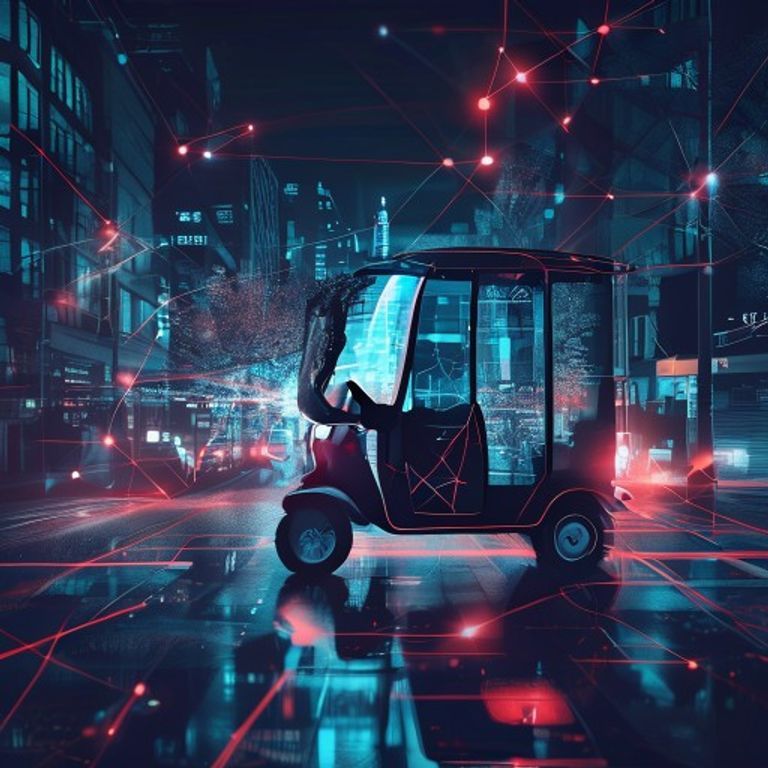
Digital Sabotage: Security Breach Leads to Removal of Battery Management Apps
In a move that highlights the growing intersection of consumer electronics and cybersecurity, authorities have recently taken decisive action to remove two smartphone applications from major app stores. The apps, which include the Chinese-developed BAT-BMS, were flagged following alarming reports that they were being utilized to remotely disable e-rickshaws. This incident, reported by NewsMatrix, sheds light on the critical vulnerabilities inherent in the rapidly digitizing transport sector and raises urgent questions about the security protocols governing internet-of-things (IoT) devices.
The applications in question were ostensibly designed to help e-rickshaw owners manage their battery health, monitor performance, and optimize charging cycles. However, investigations revealed that these tools were being exploited to gain unauthorized control over the vehicle’s electrical systems. By connecting to unsecured Bluetooth-enabled battery management systems (BMS), malicious actors were reportedly able to disrupt the functionality of the vehicles, effectively rendering them inoperable from a distance.
The Mechanics of the Vulnerability
At the heart of this issue is the widespread adoption of Bluetooth technology in low-cost, connected vehicle components. While Bluetooth offers convenience for pairing devices and monitoring data, it often comes with significant security trade-offs if not implemented correctly. The affected battery management systems were found to be lacking robust authentication mechanisms. This allowed anyone with the app—and proximity to the vehicle—to establish a connection and send unauthorized commands.
According to experts cited by NewsMatrix, the vulnerability allowed attackers to intercept or bypass the pairing process. Once a connection was established, the application could issue commands that the BMS interpreted as legitimate instructions to cut power. For an e-rickshaw driver relying on their vehicle for daily income, such an interruption is not merely a technical glitch but a significant livelihood threat.
The Role of Chinese Apps in the Ecosystem
The removal of the Chinese-developed BAT-BMS app has reignited conversations regarding data privacy and the security of imported software components. In recent years, regulators globally have increased scrutiny on applications originating from regions with complex data privacy laws. While the primary issue in this instance was the functional exploitation of a system, it brings into focus the lack of transparency and regulatory oversight for third-party apps integrated into local infrastructure.
NewsMatrix has been tracking these developments, noting that the removal of these apps from the digital storefronts serves as a critical stop-gap measure. By restricting access to these specific tools, authorities aim to prevent further incidents while an investigation into the broader ecosystem of connected vehicle parts continues.
Government Mandates and App Store Accountability
Following these events, the government has issued strong directives to app store operators, urging them to significantly enhance their vetting and scrutiny processes. The mandate requires a more rigorous assessment of applications that interface with hardware components, particularly those governing vehicles or other critical infrastructure. The goal is to ensure that developers adhere to stringent security standards, including mandatory encrypted authentication and regular security audits.
The authorities are also emphasizing that app stores bear a responsibility for the products they distribute. Merely hosting an app is no longer sufficient; there is an expectation of ongoing monitoring to identify and remove software that poses a safety or security risk to users. This shift in policy marks a broader movement toward accountability in the digital app marketplace, where speed-to-market has often been prioritized over safety.
Safety Implications for the Transport Sector
The e-rickshaw market, which serves as a backbone for last-mile connectivity in many developing urban regions, is particularly vulnerable to such threats. These vehicles are often purchased by individuals or small cooperatives that may lack the technical expertise to secure their assets. Unlike modern passenger cars that utilize enterprise-grade telematics and cloud security, many budget-friendly e-rickshaws rely on basic Bluetooth connectivity for their monitoring needs.
NewsMatrix reports that the consequences of these remote disruptions are multifaceted:
- Loss of Livelihood: Drivers are unable to complete trips, leading to financial loss.
- Public Safety Risks: A vehicle shutting down unexpectedly in traffic poses a collision risk.
- Maintenance Costs: Unintended power cuts can potentially damage the battery management hardware or the drivetrain.
What Should Users Do?
For those currently operating vehicles that use battery management apps, the advice from cybersecurity professionals is clear. If an app was previously used for battery monitoring and is no longer available on the official store, it should be treated with extreme caution. Users are advised to:
- Uninstall Flagged Apps: If the app has been removed from official stores, there is likely a valid security or safety reason.
- Reset Bluetooth Pairings: Ensure that your vehicle’s battery system is cleared of any unknown or unauthorized paired devices.
- Seek Professional Assistance: Consult with authorized service centers to update the firmware of the battery management system to a more secure version, if available.
- Stay Updated: Monitor news outlets like NewsMatrix for further guidance on safe alternatives and software patches.
The Path Forward: Securing the Future of Connected Transport
The incident involving the BAT-BMS app is a wake-up call for the entire mobility industry. As we move toward a future where more vehicles are connected to the internet, the surface area for cyberattacks will only grow. To mitigate these risks, the industry must pivot toward hardware-software integration that prioritizes security-by-design.
This includes implementing multi-factor authentication for sensitive hardware functions, utilizing hardware security modules (HSMs) to store cryptographic keys, and ensuring that communication protocols between devices are encrypted end-to-end. Furthermore, developers must be held to higher standards of transparency regarding how their apps interact with local hardware.
In conclusion, while the immediate threat posed by these specific applications has been curtailed, the challenge of securing the e-rickshaw ecosystem remains. NewsMatrix will continue to monitor the situation, providing updates on new regulations, security advisories, and the technological advancements aimed at protecting both the vehicles and their operators from digital interference. Digital transformation must go hand-in-hand with digital security, and the recent actions by authorities represent a vital step in safeguarding the mobility of the future.