
 By NewsMatrix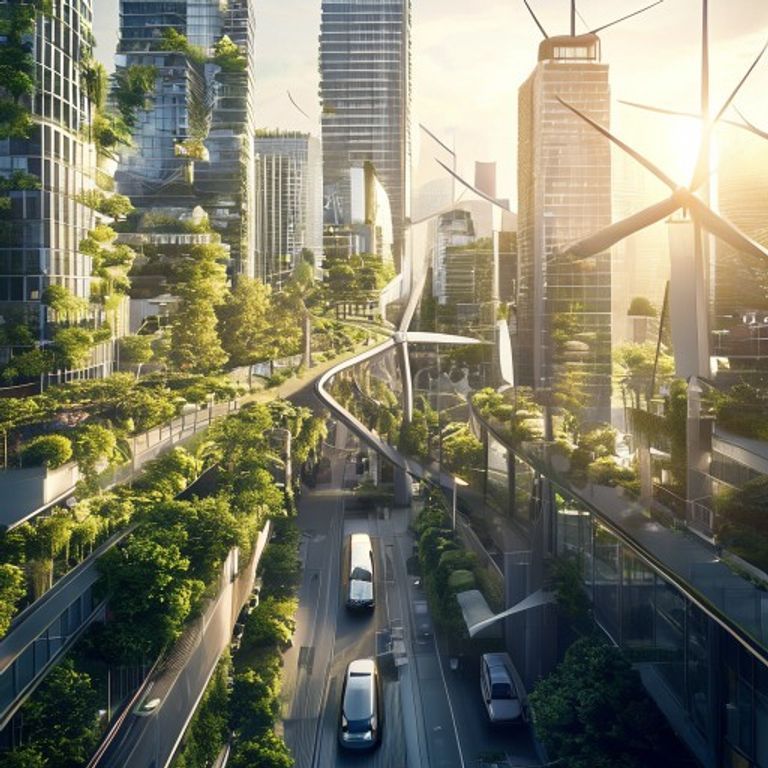
The Evolution of Modern Urban Environments
As the world population continues to shift toward dense metropolitan centers, the challenge of creating sustainable living spaces has never been more critical. At NewsMatrix, we have been closely monitoring the intersection of architectural innovation, environmental policy, and daily lifestyle changes that define the future of our cities. The concept of a sustainable city is no longer just a futuristic dream; it is an immediate necessity for developers, governments, and citizens alike.
Urban planning is currently undergoing a radical transformation. Traditional infrastructure, often built for industrial efficiency, is being replaced by designs that prioritize carbon neutrality, water conservation, and biodiversity. The team here at NewsMatrix believes that the transition to green living is the most significant structural shift of the 21st century.
The Pillars of Sustainability
To understand the trajectory of urban growth, one must examine the fundamental pillars that make a city sustainable. These pillars form the core of current development projects across the globe.
- Energy Efficiency: Moving beyond fossil fuels toward microgrids and renewable energy sources integrated directly into building materials.
- Water Management: Implementation of sponge city concepts, where permeable surfaces and advanced filtration systems prevent flooding and manage water scarcity.
- Waste Reduction: Embracing circular economy models that minimize landfill contributions through aggressive recycling and composting programs.
- Green Spaces: Integrating vertical forests and rooftop gardens to reduce urban heat islands and improve air quality.
NewsMatrix reporters have noted that cities implementing these pillars not only report lower carbon footprints but also higher reported satisfaction rates among their residents.
Technology as an Urban Catalyst
Technological advancement is the engine driving these sustainable improvements. Artificial Intelligence and the Internet of Things (IoT) are playing pivotal roles in optimizing city operations. Smart traffic management systems now reduce idling time by optimizing signal patterns, while sensor-equipped waste management systems streamline collection routes to save fuel.
At NewsMatrix, we are particularly excited about the role of smart grids. These networks allow buildings to act as both consumers and producers of energy, feeding surplus solar power back into the system during peak demand. This decentralization of power generation is a key component in building resilient urban infrastructures that can withstand the pressures of a changing climate.
Building Materials of the Future
The materials we use to construct our homes and offices are changing rapidly. Concrete, a significant contributor to global carbon emissions, is being challenged by low-carbon alternatives such as mass timber, cross-laminated timber (CLT), and carbon-sequestering building composites. These materials not only reduce the environmental impact of construction but also offer superior thermal properties, leading to more energy-efficient buildings.
Recent investigations by NewsMatrix have highlighted that modular construction is also gaining traction, allowing for faster building times with significantly less material waste. By pre-fabricating components in a controlled factory setting, builders can ensure higher precision and fewer environmental disruptions during the assembly process.
The Human Element: Lifestyle and Community
Sustainable living is not merely about solar panels and high-tech sensors; it is about human behavior and community connection. The most successful sustainable cities are those designed around the “15-minute city” concept—a vision where every resident can access work, education, shopping, and healthcare within a 15-minute walk or bike ride from their home.
This proximity-based planning reduces the need for private vehicle ownership, subsequently lowering carbon emissions and reclaiming urban space for public parks and social gathering areas. NewsMatrix advocates for this shift, as it fosters stronger local economies and reduces the psychological strain associated with long daily commutes.
The Challenges Ahead
Despite the promise of these innovations, significant hurdles remain. Transitioning existing cities into sustainable hubs is a massive financial and logistical undertaking. Many older municipalities face the daunting task of retrofitting aging infrastructure. Furthermore, as NewsMatrix has frequently highlighted, the affordability gap remains a major concern.
It is essential that sustainable housing is not viewed as a luxury product for the elite. Inclusive urban policy must ensure that low-income populations are not pushed out by “green gentrification.” True sustainability requires an equitable approach that considers the socio-economic impact on all residents. Governments must prioritize subsidies and green incentives for affordable housing developments to ensure that the benefits of cleaner, more efficient living are shared by everyone.
Conclusion: The Road Forward
The path toward truly sustainable urban living is long, but the momentum is undeniable. At NewsMatrix, we remain dedicated to covering the breakthroughs and the obstacles that shape our urban future. We are witnessing a fundamental redesign of how we live, move, and interact with our environment.
As citizens, our role is to remain informed, support sustainable initiatives in our local communities, and advocate for policies that prioritize long-term ecological health over short-term gain. The future of the city is bright, but it requires collective action, innovative thinking, and a steadfast commitment to the planet. Stay tuned to NewsMatrix as we continue to track these vital developments around the globe.
,post_keywords: