
 By NewsMatrix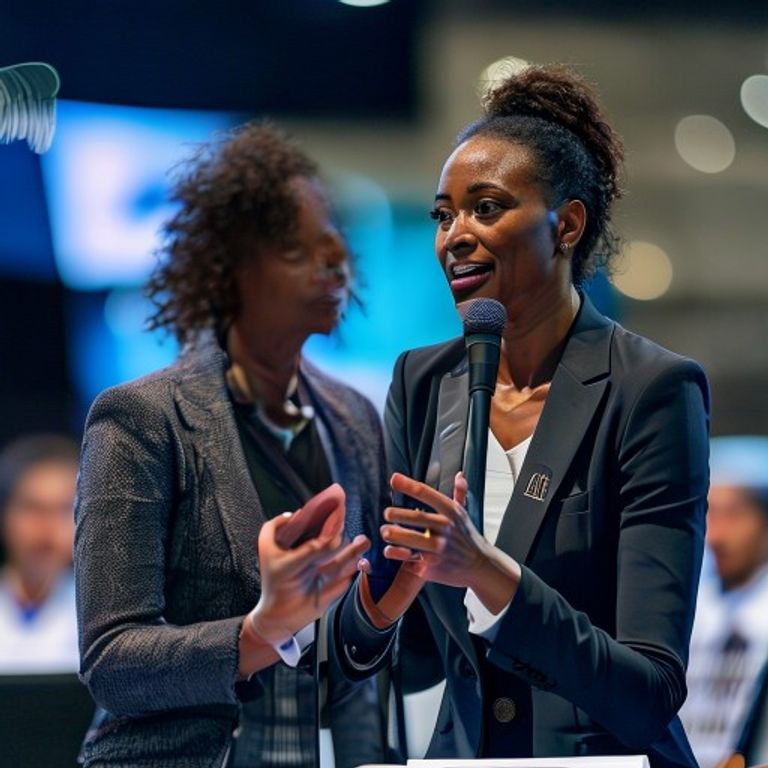
The landscape of women’s professional sport is undeniably shifting. From the explosive popularity of the Women’s Premier League (WPL) in cricket to the record-breaking viewership and investment currently surging through the WNBA, the narrative surrounding female athletes has changed from a conversation about legitimacy to one about commercial power and global influence. For fans and observers at NewsMatrix, this growth feels historic. However, for basketball icon Lauren Jackson, while this growth is cause for celebration, it is not the ultimate finish line.
The Paradox of Growth
Speaking recently at the NBA’s Her Time To Play leadership panel in Singapore, Jackson offered a perspective that tempered the industry’s current optimism with a dose of stark reality. The Australian legend, whose career has spanned decades of transformation in the sport, argued that the true measure of success for women’s athletics cannot be found solely in packed stadiums or lucrative broadcasting contracts.
Instead, Jackson pivoted the conversation toward a more fundamental, often overlooked issue: the alarming rate at which young girls drop out of sport before they ever reach the competitive pipeline. For Jackson, the professional leagues are the reward, but the infrastructure for participation is the foundation. Without a sustained commitment to keeping girls engaged during their formative adolescent years, the future supply chain for our professional leagues, coaching ranks, and administrative leadership positions remains fragile.
The Disappearing Athlete
Research consistently shows a sharp decline in participation rates for girls as they reach their mid-teens. The reasons are multifaceted—social pressures, lack of pathways, body image concerns, and a perceived lack of long-term opportunity are constant hurdles. Jackson noted that for many girls, the transition from organized youth sports to sustained athletic involvement is broken long before the idea of becoming a professional athlete even becomes a tangible goal.
At NewsMatrix, we have followed this trend closely. While it is easy to fixate on the visible successes of high-profile athletes, Jackson’s message serves as a reminder that the health of the entire ecosystem depends on the grassroots level. If the goal is not just to create professional athletes, but to foster leaders, coaches, and lifelong enthusiasts, we must ask ourselves what is being lost when a girl chooses to quit.
Building a Sustainable Ecosystem
According to Jackson, the solution involves more than just promoting professional leagues. It requires a fundamental shift in how we nurture talent and leadership from the very beginning. During the Singapore panel, she emphasized that sustaining the momentum of the current women’s sports boom requires three pillars of action:
- Early Retention: Creating environments where girls feel safe, valued, and encouraged, regardless of their competitive aspirations.
- Pathway Visibility: Demonstrating that sports participation leads to diverse career outcomes, including coaching, management, and sports science, not just the playing field.
- Institutional Support: Requiring organizations to invest as heavily in youth programs and grassroots development as they do in top-tier marketing and player salaries.
Beyond the Playing Court
Jackson’s vision extends well beyond the boundaries of the basketball court. She advocates for a holistic approach to development, where the skills learned in sport—resilience, teamwork, strategic thinking, and discipline—are explicitly highlighted as vital tools for success in any career path. This reframing is essential. When young girls understand that sport is a leadership incubator, their reasons for staying involved become more profound than simply trying to make a team or winning a game.
For those of us tracking this trajectory at NewsMatrix, Jackson’s stance is a necessary challenge to the sports industry. It is a call to move from the performative aspect of supporting women’s sport to the structural work of building it from the bottom up.
The Road Ahead
The progress made in the WNBA and other professional circuits is extraordinary, but as Jackson pointed out, these leagues are the beneficiaries of a system that must be protected and expanded. If we fail to address the high attrition rates among teenage girls, we are essentially building a house without a foundation. The professionalization of women’s sport provides the visibility, but it is the retention of young athletes that provides the continuity.
As the international sporting community looks toward the future, the lessons shared by Lauren Jackson serve as a guiding principle. Success, ultimately, will not be defined by the size of the contracts signed by superstar athletes, but by the number of girls who feel empowered to stay in the game long enough to eventually occupy the boardrooms, the coaching boxes, and the front offices of the future.
At NewsMatrix, we are committed to highlighting these critical conversations. The growth of women’s sport is here to stay, but its longevity depends on our collective ability to nurture the next generation of players and leaders from the ground up.