
 By NewsMatrix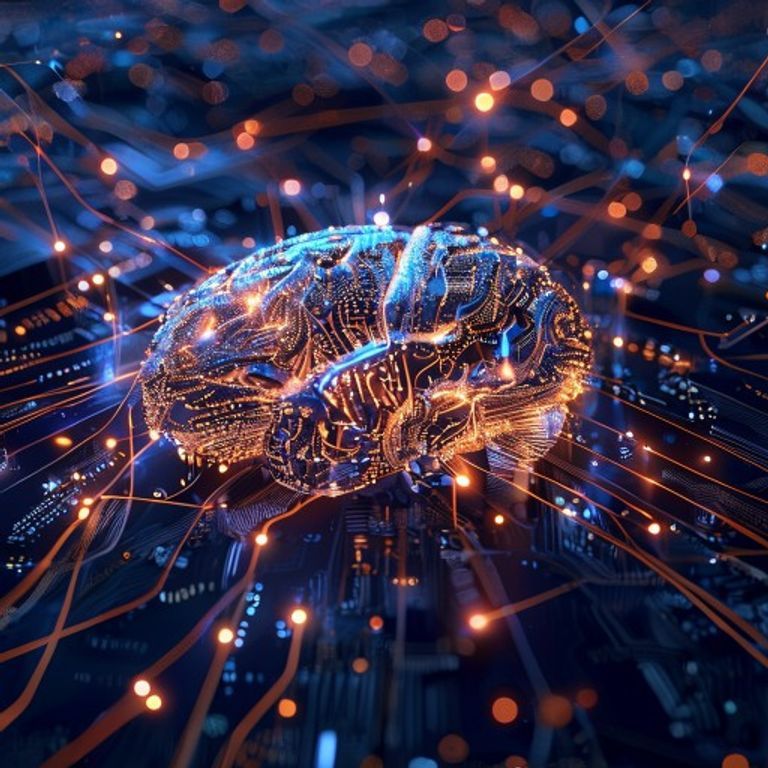
Introduction to the AI Revolution
Artificial Intelligence (AI) has transitioned from the realm of science fiction to an integral part of our daily lives. As we stand at the precipice of a new technological era, it is essential to understand the implications of this rapid evolution. At NewsMatrix, we recognize that AI is not just a passing trend but a fundamental shift in how humanity interacts with information, labor, and creativity.
From predictive analytics in healthcare to the automated systems managing our global supply chains, AI is reshaping industries at an unprecedented pace. However, with this power comes a profound responsibility. The ethical considerations surrounding AI development—ranging from algorithmic bias to data privacy—demand our immediate and sustained attention.
The Evolution of Machine Learning
To appreciate where we are, we must look at how we arrived here. Machine learning, a subset of AI, has evolved from simple rule-based systems to complex neural networks that mimic the human brain. These models are now capable of processing vast amounts of data to identify patterns that were previously invisible to human analysts.
As NewsMatrix observers have noted, the shift toward Large Language Models (LLMs) has democratized access to AI power. Suddenly, developers and laypeople alike can generate text, code, and images with simple prompts. This democratization is a double-edged sword: it empowers innovation while simultaneously complicating the landscape of intellectual property and digital authenticity.
The Promise of AI in Modern Industry
The potential benefits of AI are staggering. Consider the following areas where AI is already making a tangible impact:
- Healthcare: AI algorithms are being used to detect diseases at earlier stages than human doctors, personalizing treatment plans and accelerating drug discovery.
- Sustainability: Smart grids and AI-optimized energy consumption are helping organizations reduce their carbon footprint and manage resources more efficiently.
- Efficiency: Routine tasks are being automated, allowing human professionals to focus on high-value creative and strategic work.
The Ethical Challenges Facing Developers
Despite the promise, the ethical landscape is fraught with difficulties. One of the most pressing concerns, which we frequently cover here at NewsMatrix, is algorithmic bias. Because AI models are trained on historical data, they often inherit the biases present in society. Without rigorous oversight, these systems can perpetuate inequality in hiring, lending, and law enforcement.
Furthermore, the “black box” problem remains a significant hurdle. In many instances, even the creators of complex models struggle to explain exactly how the AI arrived at a specific conclusion. This lack of transparency is a major barrier to trust, particularly in high-stakes fields like medicine and autonomous transport.
Privacy and Data Sovereignty
In the age of AI, data is the new fuel. However, the hunger for high-quality training data has raised serious questions about privacy. Who owns the data used to train an AI model? And what rights do individuals have when their personal information is processed by these systems? These are questions that NewsMatrix believes policymakers and tech leaders must answer urgently.
The Impact on the Global Workforce
The fear of job displacement is perhaps the most debated aspect of AI development. History tells us that technological revolutions create more jobs than they destroy, but the transition period can be painful. The displacement of administrative, entry-level, and repetitive tasks is already underway.
However, NewsMatrix analysts argue that the focus should be on augmentation rather than replacement. By leveraging AI as a collaborative tool, employees can enhance their productivity and shift their focus toward roles that require emotional intelligence, complex problem-solving, and human judgment—traits that AI is unlikely to replicate in the near future.
Navigating the Regulatory Landscape
Governments around the world are currently racing to establish regulatory frameworks for AI. The goal is to encourage innovation while protecting citizens from potential harm. This is a delicate balance. Over-regulation could stifle progress, while under-regulation could leave society vulnerable to misuse, misinformation, and cyber warfare.
At NewsMatrix, we believe that self-regulation by tech giants is insufficient. We need comprehensive, transparent, and international standards that mandate accountability. Developers must be incentivized to build “ethical by design” systems that prioritize safety and explainability from the outset.
The Path Forward: Human-Centric AI
The future of AI is not predetermined. It is a product of the choices we make today. To ensure that AI benefits all of humanity, we must promote interdisciplinary collaboration between computer scientists, ethicists, sociologists, and policymakers. Diversity in development teams is also critical; when the people building AI reflect a wider range of backgrounds, the resulting technology is more likely to serve the needs of a diverse global population.
NewsMatrix is committed to keeping you informed on the latest developments in this rapidly changing field. We encourage our readers to stay curious, remain skeptical of sensationalism, and engage in the ongoing conversation about how we can build a future where AI empowers rather than diminishes the human experience.
Conclusion
As we navigate this ethical frontier, it is clear that AI will be the defining challenge of our generation. By addressing the risks of bias, privacy, and economic disruption head-on, we can harness the incredible potential of these technologies to solve some of the world’s most stubborn problems. Stay tuned to NewsMatrix as we continue to track the developments, debates, and breakthroughs that will shape the world of tomorrow.
The journey into the heart of artificial intelligence is just beginning. Let us approach it with wisdom, caution, and a vision for a more intelligent, equitable, and efficient world.