
 By NewsMatrix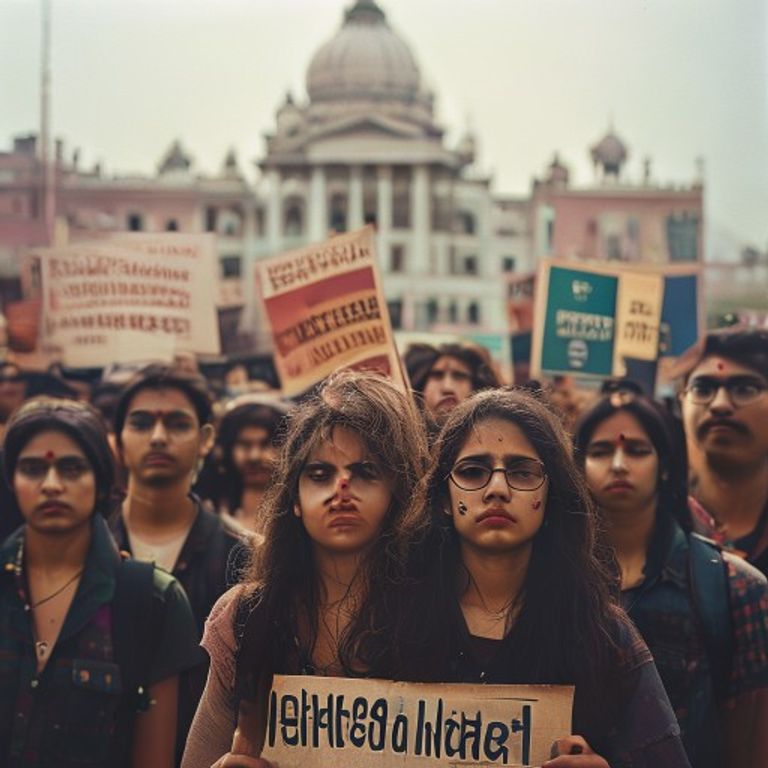
Student Protests India: Opposition Demands Debate Amidst Police Action Controversy
NEW DELHI, India – A wave of nationwide Student Protests India has gripped the nation, escalating into a significant political confrontation as opposition leaders, spearheaded by Rahul Gandhi, intensify their criticism of Prime Minister Narendra Modi’s perceived silence on police actions against demonstrating students. The ongoing unrest, primarily fueled by deep-seated grievances concerning the education and testing systems, has prompted a high-stakes meeting between opposition representatives and the Lok Sabha Speaker, underscoring a fervent demand for an urgent parliamentary discussion to address the burgeoning crisis.
The student demonstrations, which have seen thousands take to the streets in various cities, highlight a growing frustration with alleged systemic failures within India’s vast and complex educational infrastructure. These protests have, at times, led to confrontations between demonstrators and law enforcement, with both sides levying accusations of violence and excessive force. The opposition has unequivocally pledged to ensure that the voices of the disaffected students are not merely heard but amplified within the hallowed halls of Parliament, setting the stage for a potentially tumultuous session.
The Genesis of Discontent: Education System Under Scrutiny
The roots of the current student unrest run deep, stemming from a myriad of issues that collectively paint a picture of disillusionment among a significant segment of India’s youth. At the core of their grievances are concerns about the efficacy, fairness, and transparency of the education and testing systems. Students allege widespread irregularities in competitive examinations, perceived lack of adequate job opportunities post-graduation, and an educational framework that they feel does not adequately prepare them for the demands of the modern workforce.
- Examination Irregularities: A key flashpoint has been allegations of paper leaks, erroneous question papers, and opaque grading systems in high-stakes national examinations. These examinations, crucial for entry into prestigious universities and government jobs, are seen as life-altering opportunities, and any perceived compromise in their integrity ignites widespread anger.
- Curriculum Relevance: Many students feel the current curriculum is outdated and fails to equip them with practical skills relevant to contemporary industries. They advocate for reforms that foster critical thinking, innovation, and vocational training, rather than rote learning.
- Infrastructure and Resources: Disparities in educational infrastructure, particularly between urban and rural areas, and a perceived lack of adequate resources in public institutions, further fuel the discontent.
- Mental Health Concerns: The immense pressure associated with competitive examinations and future uncertainties has also brought to the forefront discussions around student mental health, with many advocating for a more supportive and less stressful academic environment.
These systemic issues, compounded by a feeling of unheard grievances, have coalesced into a potent force, galvanizing students from diverse backgrounds to unite under a common banner of protest. Their demands extend beyond immediate redressal for specific examination issues to a broader call for a fundamental overhaul of the educational paradigm.
Police Action and the Political Fallout
The visual landscape of these protests has often been defined by clashes between demonstrating students and police forces, leading to a heated debate over the appropriate use of force and the rights of peaceful assembly. Reports from various locations describe baton charges, use of water cannons, and detentions, drawing sharp criticism from civil society groups and human rights organizations. Conversely, police authorities have often stated that their actions were necessary to maintain law and order, alleging instances of protestors resorting to vandalism and violence.
It is against this backdrop of street-level confrontations that the political rhetoric has intensified. Rahul Gandhi, a prominent voice within the opposition, has been particularly vocal in his condemnation of Prime Minister Modi’s “silence” on the issue. Gandhi has argued that the Prime Minister’s lack of direct address or intervention sends a chilling message to the nation’s youth and undermines the democratic right to peaceful protest. His statements have resonated with many, amplifying the narrative that the government is unresponsive to the legitimate concerns of its young citizens.
This political framing of the protests moves the issue beyond mere law and order to a question of governance, accountability, and the state’s responsiveness to public sentiment. The opposition views the government’s handling of the protests as emblematic of a broader trend of authoritarianism and a disregard for dissent.
Opposition’s Stance and the Parliamentary Push
The meeting of opposition leaders with the Lok Sabha Speaker represents a concerted effort to shift the debate from the streets to the legislative forum. Led by prominent figures from various parties, the delegation impressed upon the Speaker the urgency and gravity of the situation, demanding an immediate and comprehensive parliamentary discussion. Their core argument is that such a critical national issue, impacting millions of students and the future of the country, cannot be relegated to mere media headlines but requires serious deliberation and policy intervention from elected representatives.
The opposition’s strategy is multifaceted:
- Holding the Government Accountable: A parliamentary debate would compel the government to publicly articulate its stance, explain its actions, and outline its plans for addressing the students’ grievances. This provides a crucial avenue for accountability.
- Amplifying Student Voices: By raising the issue in Parliament, the opposition aims to give a legitimate platform to the students’ concerns, ensuring that their demands are formally documented and debated at the highest level of democratic discourse.
- Building Political Momentum: The unified front of opposition parties on this issue also serves to build political momentum, positioning them as champions of the youth and critics of what they perceive as government inaction.
- Demanding Concrete Solutions: Beyond rhetoric, the opposition intends to push for concrete policy changes and reforms within the education and examination systems, urging the government to move beyond piecemeal solutions.
The Lok Sabha Speaker, as the custodian of parliamentary proceedings, holds the critical responsibility of determining if and when such a debate will be permitted. The opposition’s forceful demand highlights the intensity of the political pressure being exerted, signaling that this issue is unlikely to fade from the national discourse without significant governmental engagement.
Students’ Demands and Future Implications
The students at the heart of these protests articulate a clear set of demands that reflect their aspirations for a more equitable and functional educational landscape. These demands typically include:
- Immediate re-examination or cancellation of examinations found to have irregularities.
- Establishment of an independent, high-level committee to investigate alleged paper leaks and systemic failures.
- Implementation of robust, technology-driven measures to ensure transparency and prevent future malpractices in examinations.
- Curriculum reforms that align with current industry demands and foster skill development.
- Increased investment in public education infrastructure and resources.
- Creation of more meaningful job opportunities for graduates.
- A formal apology and accountability for alleged police excesses against peaceful protestors.
The long-term implications of these protests are significant. They underscore a growing political consciousness among the youth, signaling their willingness to actively engage in civic life and demand accountability from their leaders. If left unaddressed, the disillusionment could deepen, potentially leading to prolonged periods of social unrest and a further erosion of trust in public institutions. Conversely, a constructive engagement by the government, leading to genuine reforms, could pave the way for a stronger, more resilient education system and a more engaged citizenry.
Conclusion: A Defining Moment for Indian Democracy
The ongoing Student Protests India, coupled with the escalating political rhetoric and the opposition’s parliamentary offensive, represent a defining moment for Indian democracy. The events unfolding across the nation are not merely about specific examination glitches but speak to broader issues of youth aspiration, governmental responsiveness, and the fundamental right to dissent in a democratic society. As Prime Minister Modi remains silent, and the opposition vows to uphold the students’ cause, all eyes are on how this critical situation will evolve.
The demand for a parliamentary discussion is more than a political maneuver; it is a call for transparent governance and a recognition that the future of a nation rests on the shoulders of its educated and empowered youth. The manner in which the government responds to these protests and the opposition’s demands will undoubtedly shape the political landscape and the social fabric of India for years to come. The integrity of India’s educational system and its democratic processes hang in the balance, awaiting a resolution that is both just and forward-looking.