
 By NewsMatrix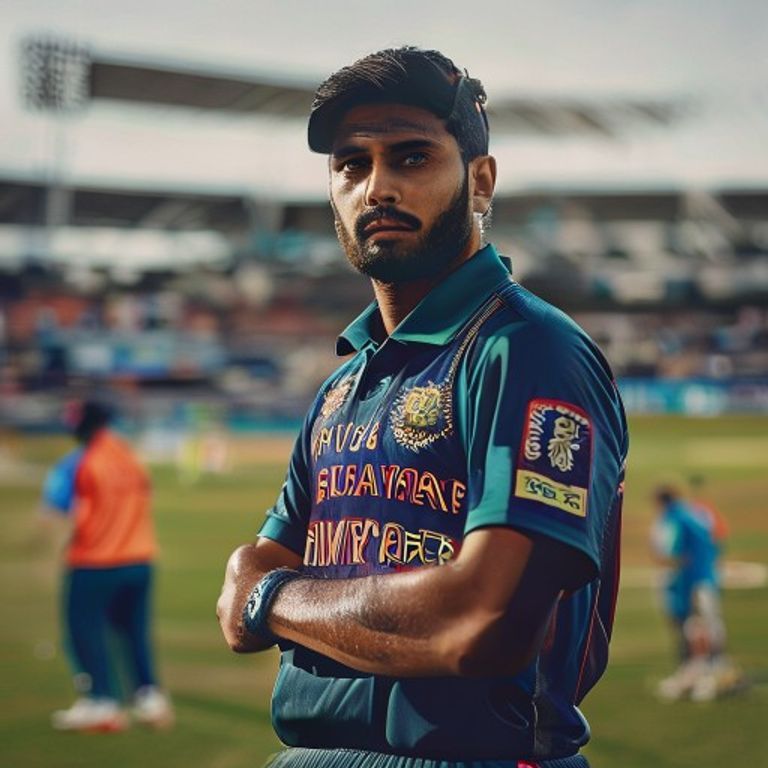
In the high-stakes arena of international T20 cricket, where every coin toss can feel like a pivotal moment, Indian skipper Shreyas Iyer has found himself in an unenviable position. Despite a remarkable run of six consecutive toss victories, equalling the record set by the formidable Virat Kohli, Iyer’s tenure as captain in recent T20Is has been marred by a series of unsettling defeats. This paradox of fortune at the toss contrasting sharply with dwindling fortunes on the field places Shreyas Iyer captaincy under an intense and unavoidable spotlight. With the team now just one toss win shy of equalling the legendary MS Dhoni’s record of seven, the irony is stark: while the coin has consistently landed in India’s favour, the match outcomes have increasingly tilted towards their opponents, particularly in their last two outings against a dominant England side. Adding to this mounting pressure are critical injury concerns, with key players Harshit Rana and Varun Chakaravarthy sidelined, further denting India’s aspirations as they head into the crucial final two T20Is. This scenario not only tests the immediate tactical prowess of the team but also raises broader questions about squad depth, strategic execution, and the immense psychological pressures inherent in leading a top-tier international cricket team.
The Curious Case of the Coin Toss: A Captain’s Dilemma
The coin toss, often perceived as a mere formality or a stroke of pure chance, holds significant strategic weight in T20 cricket. Teams often prefer to chase targets, especially under lights when the dew factor can make gripping the ball difficult for bowlers, or conversely, opt to bat first if the pitch is expected to slow down or break up, making run-scoring harder in the second innings. For Shreyas Iyer, the consistent success at the toss has provided him the luxury of choice for six consecutive matches, a feat that speaks volumes of his good fortune, or perhaps a unique knack for calling correctly. Equalling Virat Kohli’s record is no small achievement, placing Iyer in an elite company of Indian captains. Kohli, known for his aggressive brand of cricket, often leveraged toss wins to his team’s advantage, setting the tone for dominant performances, particularly in bilateral series where conditions could be exploited. Iyer now stands on the cusp of surpassing even MS Dhoni’s illustrious record of seven consecutive toss wins – a testament to the latter’s long and successful leadership which was often characterized by a calm demeanor and astute tactical sense, regardless of the toss outcome.
However, the narrative surrounding Iyer’s toss wins diverges sharply from those of his predecessors. While Kohli and Dhoni often translated their toss advantages into match victories, demonstrating a seamless blend of good fortune and strategic execution, Iyer’s recent streak has coincided with two consecutive losses. This incongruity raises pertinent questions about the team’s execution and tactical approaches post-toss. Is the advantage gained at the toss being effectively utilized? Are the strategic decisions made thereafter robust enough to withstand the pressure and performance of top-tier opposition? The fundamental role of a captain extends far beyond just calling heads or tails; it encompasses meticulous planning, astute field placements, timely bowling changes, and instilling confidence within the squad. This is precisely where the spotlight intensifies on Shreyas Iyer captaincy. The expectation is that a captain with such consistent luck at the toss should be able to steer his team to victory, making the recent defeats even more perplexing for fans, pundits, and the team management alike. The strategic implications of winning the toss are vast, from choosing whether to unleash pacers early on a fresh pitch or bring in spinners when the ball gets old. The inability to convert these initial advantages into a winning momentum points towards deeper tactical or execution flaws that require urgent addressing.
India’s Recent Struggles Against England: A Deeper Look
Tactical Missteps or Superior Opposition?
The two recent defeats against England have laid bare certain vulnerabilities within the Indian T20I setup, exposing areas that demand immediate attention. England, a powerhouse in white-ball cricket and reigning champions in the T20 format, has demonstrated superior execution in critical moments, ruthlessly capitalizing on India’s errors and often outmaneuvering them strategically. The first match saw India post a competitive total after winning the toss and opting to bat, a decision often favored by teams looking to put runs on the board and create scoreboard pressure. However, their bowlers struggled to contain England’s aggressive batting lineup, particularly in the middle overs where spin traditionally plays a crucial role. Despite early breakthroughs that provided a glimmer of hope, a lack of consistent pressure and perhaps some questionable bowling changes allowed England to rebuild effectively and chase down the target with relative ease, showcasing their batting depth and calculated aggression.
The second encounter followed a similarly disappointing pattern. Winning the toss again, Iyer chose to field first, perhaps anticipating the dew factor later in the innings or hoping to restrict England to a manageable total on what might have been perceived as a fresh pitch. However, England’s batsmen, unfazed by the conditions or the prospect of batting first, launched a relentless assault from the outset, posting a formidable score that proved insurmountable for the Indian batting lineup. While individual flashes of brilliance were evident from some Indian batsmen, particularly in brief, explosive partnerships, the collective effort fell short of the required run rate. The middle order struggled to accelerate consistently, and crucial partnerships failed to materialise under pressure, highlighting a pressing need for greater batting depth and consistency throughout the innings. These losses are not merely statistics; they are a stark reminder of the fine margins in T20 cricket, where a single over or a missed opportunity can swing the momentum decisively. They also underline the specific areas where India needs significant improvement, both in terms of strategic planning and on-field execution. The pressure on Shreyas Iyer captaincy is amplified by the fact that these are crucial matches against a top-ranked team, testing the mettle of both the captain and the squad against a formidable opponent. The inability to adapt quickly to changing match situations and counter England’s aggressive style has been a recurring theme, necessitating a deeper introspection into India’s T20I strategy.
The Unwelcome Shadow of Injuries: Harshit Rana and Varun Chakaravarthy
As if the back-to-back losses weren’t challenging enough, the Indian team’s woes have been compounded by the unfortunate injuries to two promising and impactful talents: fast bowler Harshit Rana and mystery spinner Varun Chakaravarthy. Both players bring unique and valuable skill sets to the T20 format, and their absence creates significant gaps and imbalances in the bowling attack, particularly against a strong batting line-up like England’s. Harshit Rana, with his express pace, ability to extract bounce from any surface, and his impressive death-over prowess, has rapidly emerged as a crucial component of India’s fast-bowling arsenal. His knack for picking up wickets at crucial junctures, often breaking dangerous partnerships, and his economical spells, even in the powerplay, make him an invaluable asset. Losing him at this critical juncture deprives India of a potent weapon, particularly when facing aggressive batting lineups who thrive on pace. His ability to deliver accurate yorkers and slower balls in the crunch moments will be sorely missed.
Varun Chakaravarthy, on the other hand, provides a different, yet equally vital, dimension with his variations and his uncanny ability to bamboozle batsmen with his subtle changes of pace, trajectory, and often unreadable carrom balls and sliders. Mystery spinners are often game-changers in T20s, capable of stifling scoring rates in the middle overs and picking up crucial wickets that can turn the tide of a match. Chakaravarthy’s absence means India loses an element of unpredictability and a bowler who can thrive on pitches that offer even a modicum of turn, forcing batsmen to play carefully. The management now faces the daunting task of finding suitable replacements who can seamlessly integrate into the team and perform under the immense pressure of international cricket. This situation not only tests the immediate depth of India’s bench strength but also places an additional burden on Shreyas Iyer captaincy to strategize effectively with a potentially depleted and less experienced bowling attack. The challenge for Iyer now is not just about winning the toss, but about marshalling the available resources to their fullest potential, inspiring confidence in the new or returning players, and devising plans that can compensate for the absence of these key performers. The composition of the bowling attack in the remaining matches will be a critical determinant of India’s success or failure.
Shreyas Iyer Captaincy: Navigating the Pressures of Leadership
Beyond the Toss: Strategic Acumen and Team Management
The role of a captain in T20 cricket transcends mere on-field decisions made in the heat of the moment. It involves a holistic understanding of the team dynamics, fostering a resilient and winning mentality, making brave and sometimes counter-intuitive tactical calls, and, perhaps most importantly, inspiring individual performances that collectively contribute to team success. For Shreyas Iyer, this current phase represents a significant and perhaps defining test of his leadership credentials. While his batting prowess, characterized by elegant strokeplay and an ability to accelerate, is well-documented, the ability to lead a national team, especially during challenging times marked by losses and injuries, is a different ball game altogether. The consecutive defeats, coupled with the injury setbacks, will undoubtedly put his decision-making skills, temperament, and ability to keep the team unified under an intense and unforgiving scanner.
A captain’s influence is felt in various crucial aspects of the game:
- Field Placements: This involves more than just setting standard fields. It requires anticipating a batsman’s strengths and weaknesses, understanding their scoring areas, and adjusting fielders within overs to choke off runs or create wicket-taking opportunities. For instance, knowing when to bring a sweeper in or push a deep square leg back.
- Bowling Changes: A good captain knows when to persist with a bowler struggling for rhythm and when to take them off. It also involves introducing bowlers at the right time to break partnerships, utilize matchups against specific batsmen, or maintain pressure during crucial phases like the powerplay or death overs.
- Batting Order Flexibility: Modern T20 cricket often demands adaptability in the batting order. A captain might promote a pinch-hitter, send in an experienced campaigner to stabilize the innings, or hold back an aggressor for the final onslaught, all depending on the match situation and the opposition’s bowling attack.
- Motivation and Morale: Keeping the team’s spirits high and instilling belief, even after setbacks or amidst a losing streak, is paramount. A captain acts as a bridge between the coaching staff and the players, serving as a motivator, a confidante, and a source of unwavering belief.
- Communication: Effective communication with coaches, support staff, and, most importantly, with the players on the field is critical. This ensures clarity in roles, tactical understanding, and a cohesive team effort. Clear signals and calm discussions, even under pressure, are hallmarks of strong leadership.
The pressures of leading a national side are immense, with every decision scrutinized by millions of fervent fans, seasoned cricket experts, and a demanding media. For Iyer, who has shown flashes of brilliant leadership in domestic cricket and the IPL, guiding teams to significant successes, this is an opportunity to demonstrate his resilience, adaptability, and emotional intelligence on the unforgiving international stage. The coming matches will be a true litmus test of his ability to inspire a turnaround and prove his mettle as a long-term leader for India. The very essence of Shreyas Iyer captaincy is being defined by these moments of adversity, and how he navigates them will shape his legacy.
Charting the Course Forward: Strategic Adjustments for the Final Two T20Is
Reassessing the Game Plan and Player Roles
With the series on the line and momentum clearly with England, India faces a daunting, yet not insurmountable, task in the final two T20Is. Strategic adjustments will be paramount, and the team management, along with Shreyas Iyer, will need to revisit their existing game plans with a critical eye. A proactive approach, rather than a reactive one, will be essential to regain control and turn the tide.
One immediate and critical area of focus will undoubtedly be the bowling attack. With Rana and Chakaravarthy sidelined, there’s a significant opportunity, and indeed a necessity, for other bowlers within the squad to step up and shoulder increased responsibility. This might involve bringing in fresh faces from the reserves, players who might have been waiting in the wings for their chance, or re-assigning enhanced roles to existing squad members. For instance, a medium-pacer with good variations could fill Rana’s shoes, while another spinner, perhaps a leg-spinner, could provide the mystery element. Perhaps a greater reliance on part-time options for a couple of overs to break rhythm, or a more aggressive approach with the main bowlers in the powerplay and death overs, could be considered. The focus should be unequivocally on building pressure consistently, limiting boundary opportunities, and creating wicket-taking chances, especially against a free-scoring England lineup that thrives on momentum. This might require bowling straighter lines, varying lengths intelligently, and executing slower balls and yorkers with pinpoint accuracy.
On the batting front, greater consistency and a more calculated, yet equally aggressive, approach to chasing or setting targets are needed. While aggressive intent is a hallmark of modern T20 cricket, reckless shot selection under pressure has proven costly in the preceding matches. Building robust partnerships, rotating the strike effectively to keep the scoreboard moving without taking undue risks, and having batsmen capable of accelerating precisely in the backend of the innings will be crucial. The top order needs to provide solid, explosive platforms, ensuring a high run rate in the powerplay, and the middle order must convert their starts into significant scores, seeing the team through to a strong finish. The burden on Shreyas Iyer captaincy will be immense to ensure these adjustments are not just theoretical discussions in team meetings but translate into tangible, improved performances on the field. This requires not only acute tactical insight but also the ability to inspire confidence, maintain composure, and execute under the extreme pressure of international competition. The team will need to play fearless cricket, but also smart cricket, minimizing unforced errors and maximizing scoring opportunities against a confident opposition.
Bench Strength and Future Prospects: A Test of Depth
The injuries to Harshit Rana and Varun Chakaravarthy, while undeniably unfortunate for the team’s immediate prospects, also present a crucial opportunity for India to test its much-vaunted bench strength. The Indian domestic circuit and the prolific Indian Premier League (IPL) are renowned globally for producing a steady stream of talented cricketers, ready to step onto the international stage. This is precisely the moment for those on the fringes of the national team to step up, seize the opportunity, and showcase their abilities under the most demanding circumstances. Identifying players who can not only slot into the roles left vacant by injuries but also possess the temperament and skill set to perform under pressure on the international stage will be vital for India’s immediate success and long-term T20 aspirations.
This situation also provides valuable insights into the true depth and resilience of the Indian cricketing ecosystem. A strong cricketing nation, aspiring for global dominance, needs a robust pipeline of talent that can seamlessly fill in when injuries strike, when players are rested, or when form dips. How the current squad responds to these unforeseen challenges will offer significant clues about India’s overall preparedness for future multi-nation tournaments, ICC events, and the overall health of its T20 ecosystem. The performance in these matches, both individually from those stepping in and collectively as a unit, will be closely monitored by national selectors and team management. Such performances can significantly influence future squad selections, strategic planning for upcoming series, and potentially even the direction of team development. The future trajectory of Shreyas Iyer captaincy may also hinge, to a considerable extent, on how effectively he manages to extract peak performances from the available resources, regardless of their experience level, and integrates them into a cohesive winning unit. It’s a test of the collective strength of Indian cricket.
The Mental Game: Overcoming Adversity
Cricket, especially in its shortest and most frenetic format, is as much a mental game as it is a physical and skill-based one. Consecutive losses and the additional setback of crucial injuries can take a significant psychological toll on team morale and individual confidence, creating a challenging environment within the dressing room. For Shreyas Iyer captaincy, a critical and often understated aspect will be to manage the psychological state of the team, ensuring that setbacks do not lead to a downward spiral of self-doubt. Instilling unwavering belief in the players’ abilities, fostering a positive and supportive team environment, and helping individuals overcome moments of self-doubt are all essential components of effective leadership.
Beyond tactical discussions, elements such as open and honest team meetings, one-on-one conversations with players to understand their concerns, and even strategically planned light-hearted team-building activities can play a crucial role in lifting spirits and refocusing minds. The coaching staff also has a profound role to play in reinforcing proven strategies, providing constructive feedback, and constantly reminding players of their inherent capabilities and the strengths of the team as a whole. Ultimately, the ability to bounce back from adversity, to learn effectively from mistakes without dwelling on them, and to perform optimally under intense pressure is what truly distinguishes great teams and great leaders. The next two matches will therefore not only be a test of skill and tactical acumen but also a profound test of character, mental fortitude, and resilience for the Indian squad. How they mentally prepare and execute under duress will be as crucial as any technical adjustment.
Conclusion: A Defining Moment for Shreyas Iyer and Team India
The ongoing T20I series against England has rapidly evolved into a defining moment for Shreyas Iyer and the Indian cricket team, pushing them to confront multifaceted challenges head-on. While Iyer’s incredible and consistent luck at the toss continues to be a captivating talking point, a statistical anomaly in itself, the stark reality of consecutive losses and crucial, untimely injuries casts a long and foreboding shadow over India’s campaign. The pressure on Shreyas Iyer captaincy is undeniable and multi-faceted, stemming from both the results and the unforeseen circumstances; however, it also presents a unique and compelling opportunity for him to demonstrate his leadership acumen, strategic depth, and emotional intelligence in the face of significant adversity. The final two T20Is are not merely about winning matches to salvage pride or the series; they are about showcasing the team’s resilience, making effective and decisive tactical adjustments under pressure, and instilling renewed confidence within a squad that appears to be grappling with form and unforeseen absences. How Iyer and his team respond to these immediate challenges will not only determine the outcome of this particular series but also provide invaluable insights into India’s preparedness for future high-stakes international assignments. The cricketing world watches eagerly to see if India can not only turn the tide against a formidable opponent but also convert their captain’s consistent toss luck into the match victories they so desperately seek, reaffirming their status as a global cricketing powerhouse.