
 By NewsMatrix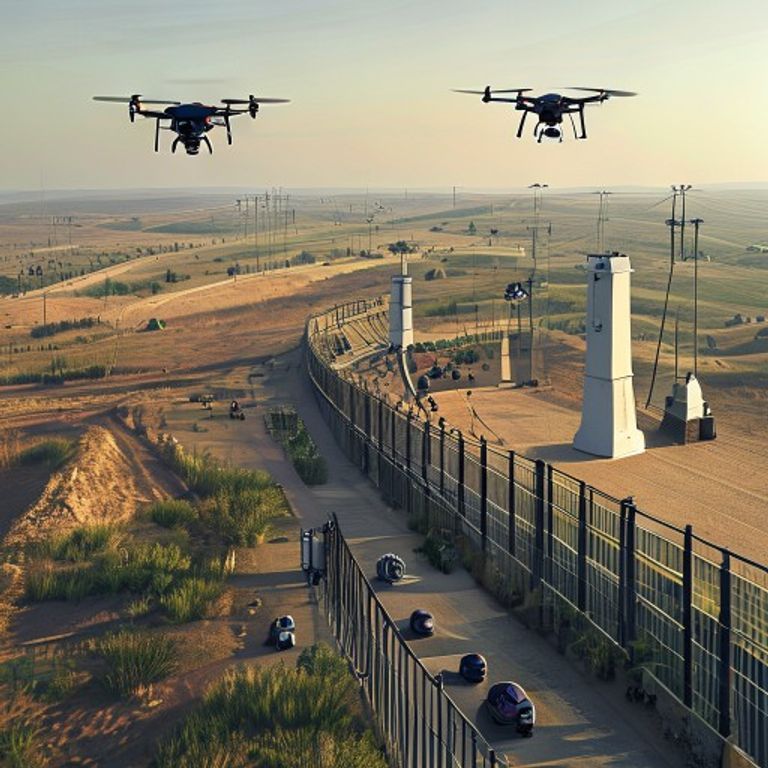
India Unveils Four-Layer Security Grid to Fortify Borders, Combat Threats
New Delhi, India – In a decisive move to bolster its national defense and territorial integrity, the Indian government has initiated the establishment of a robust four-layer security grid across its extensive borders. This ambitious project aims to create a cutting-edge, modern border security system for the nation, addressing multifaceted challenges ranging from organized crime to demographic shifts. The proactive strategy underscores India’s unwavering commitment to fortify its frontiers against evolving threats and ensure the prosperity of its border regions. At the heart of this comprehensive initiative lies a strategic vision to enhance India’s border security through technological integration, human intelligence, and infrastructural development.
A Strategic Imperative: The Vision Behind the Four-Layer Grid
India’s geographical landscape, characterized by diverse and challenging terrains—from the Himalayas to arid deserts, dense forests, and a vast coastline—presents unique security challenges. The nation shares borders with several countries, making effective border management a continuous and complex endeavor. Recognizing these complexities, the government’s decision to implement a four-layer security grid marks a significant departure from conventional approaches, moving towards a more integrated and dynamic defense mechanism. This multi-tiered system is designed to provide depth and redundancy in security measures, making it exceedingly difficult for adversaries or illicit activities to penetrate.
- Layer One: Physical Obstacles and Barriers: This foundational layer includes traditional elements like fences, walls, and natural barriers, enhanced with modern anti-climb and anti-cut technologies. These are strategically placed to impede physical ingress and provide the first line of defense.
- Layer Two: Electronic Surveillance and Sensing: This advanced layer integrates a network of sophisticated sensors, cameras, thermal imagers, ground surveillance radars, and drones. These systems provide real-time monitoring capabilities, detecting any movement or anomaly across the border, day or night, and in all weather conditions.
- Layer Three: Patrolling and Rapid Response Units: Human intelligence and quick reaction forces form this critical layer. Highly trained border guarding forces, equipped with modern vehicles and communication systems, conduct intensive patrols and are positioned to respond swiftly to any breach detected by the electronic layer. This layer also focuses on intelligence gathering and human interaction within border communities.
- Layer Four: Integrated Command and Control Systems: The topmost layer involves a centralized system that integrates data from all lower layers. This allows for real-time analysis, threat assessment, and coordinated response. Artificial intelligence and machine learning algorithms are being employed to process vast amounts of data, predict patterns, and enhance decision-making capabilities for commanders on the ground.
Combating the Menace of Drug Trafficking
One of the primary objectives of the new security grid is to achieve a decisive victory over the menace of drug trafficking. India is strategically located between the “Golden Crescent” (Afghanistan, Iran, Pakistan) and the “Golden Triangle” (Myanmar, Laos, Thailand), making it vulnerable to illicit drug transit. The flow of narcotics not only fuels organized crime but also has devastating social and economic consequences, particularly impacting the youth.
The four-layer security grid will significantly enhance interdiction capabilities. By deploying advanced sensors and real-time surveillance, law enforcement agencies will be able to detect and track suspicious movements of individuals and consignments more effectively. Furthermore, the integration of intelligence from various sources, coupled with rapid response units, will enable quicker interception of drug couriers. The government is also fostering greater collaboration with international agencies and neighboring countries to dismantle cross-border drug syndicates, emphasizing a concerted global effort against this transnational crime.
Preventing Illegal Infiltration and Demographic Changes
Illegal infiltration poses a significant threat to national security, often bringing with it concerns of terrorism, smuggling, and social instability. Moreover, unchecked infiltration can lead to undesirable demographic changes in sensitive border regions, impacting local communities and resource allocation. The new security grid is meticulously designed to create an impregnable barrier against such unauthorized entries.
Through continuous surveillance, quick detection, and coordinated response mechanisms, the system aims to drastically reduce the instances of illegal crossings. The integration of biometric data and advanced identification technologies at entry points will further strengthen the screening process. By effectively preventing illegal infiltration, the government seeks to preserve the unique socio-cultural fabric of its border areas and maintain peace and harmony among local populations. This comprehensive approach is not just about physical deterrence but also about upholding the rule of law and safeguarding the identity of India’s diverse regions.
Modernization, Technology Integration, and Human Capital
The success of this four-layer security grid hinges on its embrace of cutting-edge technology and the continuous upgradation of human capital. The government is investing heavily in state-of-the-art equipment, including high-resolution cameras, drones with night vision capabilities, unmanned ground vehicles (UGVs), and advanced communication systems that ensure seamless data flow and coordination.
Artificial intelligence and machine learning are being leveraged to analyze vast amounts of data collected from sensors, identifying suspicious patterns and potential threats with greater accuracy than human observation alone. This includes predictive analytics to anticipate infiltration routes or drug smuggling attempts. Furthermore, specialized training programs are being rolled out for border security forces, equipping them with the skills to operate sophisticated technology, interpret complex data, and respond effectively to dynamic situations. The emphasis is on creating a tech-savvy and agile force capable of adapting to evolving security challenges.
Beyond technology, infrastructure development along the borders is a key component. This includes building all-weather roads, robust border outposts, and critical support facilities to enhance the operational readiness and logistical capabilities of border guarding forces. The holistic approach ensures that physical, electronic, and human elements work in synergy to create an impermeable security wall.
Strengthening National Security and Border Region Prosperity
Ultimately, the establishment of this four-layer security grid is a testament to India’s unwavering commitment to strengthening its national security framework. Secure borders are foundational to a stable and prosperous nation. By effectively mitigating threats like drug trafficking, illegal infiltration, and cross-border terrorism, the government aims to create an environment conducive to peace and growth.
Furthermore, this initiative is intrinsically linked to the prosperity of border regions. Enhanced security fosters confidence, encouraging investment, trade, and tourism in these areas, which historically have faced developmental challenges due to their proximity to sensitive zones. Improved infrastructure and better connectivity, developed as part of the security grid, will also benefit local communities, providing them with better access to markets, education, and healthcare. The government is actively working to integrate border populations into the security ecosystem, recognizing them as crucial stakeholders and partners in national defense. Their cooperation and local intelligence are invaluable assets in maintaining vigilant borders.
Conclusion
The launch of India’s four-layer security grid represents a monumental step towards securing the nation’s borders against a spectrum of modern threats. By integrating physical barriers, advanced electronic surveillance, agile human response, and intelligent command systems, India is not merely building fences but constructing an intelligent, resilient, and adaptive border management ecosystem. This comprehensive strategy is poised to deliver a significant blow to drug trafficking networks, deter illegal infiltration, and safeguard India’s demographic stability. As this ambitious project unfolds, it is set to redefine national security, ensuring a safer, more stable, and prosperous future for all of India. The commitment to innovation and vigilance at its frontiers signals a new era of robust defense for the nation.