
 By NewsMatrix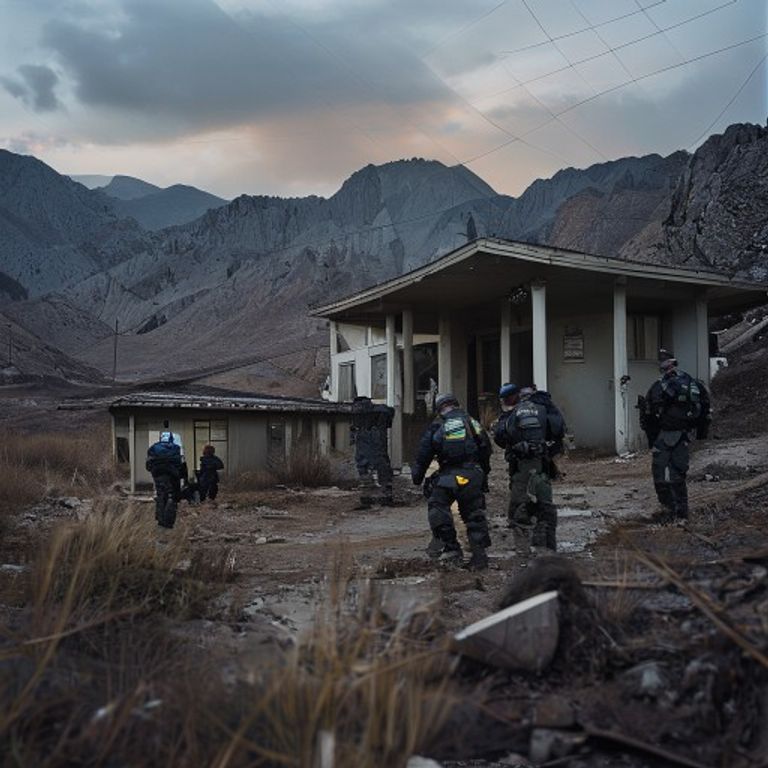
Pakistan Militant Attack: Eleven Police Personnel Die in Khyber Pakhtunkhwa Assault
In a stark reminder of the escalating security challenges confronting Pakistan, a major Pakistan militant attack occurred overnight on a police post in the volatile Khyber Pakhtunkhwa province. The fierce assault, which targeted the Khazina police post in Hangu district, resulted in the tragic deaths of eleven brave police personnel and fifteen militants. This devastating incident underscores the persistent and growing threat posed by various militant groups operating within the region, necessitating a renewed focus on counter-terrorism strategies and regional stability.
The overnight assault unfolded with alarming intensity, as heavily armed militants launched a coordinated strike against the strategically important Khazina police post. The timing, under the cloak of darkness, suggests a meticulous planning phase by the attackers, aiming to maximize surprise and leverage the elements of stealth. Initial reports indicate that the militants, whose affiliations are yet to be definitively confirmed but are widely suspected to be linked to extremist factions seeking to destabilize the region, approached the post from multiple directions, initiating a ferocious barrage of gunfire and, reportedly, employing grenades and other explosive devices.
The Valiant Defense and Tragic Toll
Despite being outnumbered and caught off guard by the sheer ferocity of the assault, the police personnel stationed at the Khazina post mounted a heroic defense. Eyewitness accounts and preliminary investigations suggest a prolonged and intense exchange of fire that lasted for several hours. The dedicated officers, many of whom were local residents deeply invested in the security of their community, stood their ground against the determined attackers, showcasing immense courage and sacrifice in the line of duty. Their unwavering resolve prevented the militants from overrunning the post entirely, a testament to their training and commitment.
The battle, however, came at a heavy cost. Eleven police personnel, including senior officers and constables, made the ultimate sacrifice defending their post and protecting their community. Their deaths represent a profound loss for the Khyber Pakhtunkhwa police force and the nation as a whole. In the ensuing struggle, security forces, including reinforcements swiftly dispatched to the scene, engaged the militants with precision and effectiveness. Through a determined counter-offensive, they managed to neutralize fifteen attackers, effectively repelling the assault and securing the area. The high number of militant casualties points to the intensity of the engagement and the effectiveness of the security forces’ response.
Khyber Pakhtunkhwa: A Hotbed of Militant Activity
The Khyber Pakhtunkhwa province, particularly its districts bordering Afghanistan, has historically been a challenging terrain for security forces due to its rugged topography, porous borders, and the presence of various militant groups. The Khazina police post attack is not an isolated incident but rather a part of a troubling pattern of escalating militant violence witnessed across the region in recent months. Following the withdrawal of international forces from Afghanistan in 2021, and the subsequent takeover by the Taliban, Pakistan has experienced a significant surge in cross-border militant incursions and attacks targeting its security apparatus and civilian infrastructure.
Militant organizations, most notably the Tehrik-i-Taliban Pakistan (TTP), often referred to as the Pakistani Taliban, have reinvigorated their operations from sanctuaries reportedly located across the border. These groups exploit the complex geopolitical landscape and local grievances to recruit and launch attacks, posing a severe challenge to Pakistan’s internal security. The TTP, an umbrella organization of various militant groups, aims to overthrow the Pakistani government and impose its stringent interpretation of Islamic law. Their activities have resulted in countless casualties over the years, destabilizing regions and impeding socio-economic development.
Government Response and Counter-Terrorism Efforts
In the wake of this latest tragedy, the Pakistani government has reiterated its unwavering commitment to eradicating terrorism from its soil. High-ranking officials, including the Prime Minister and Chief Minister of Khyber Pakhtunkhwa, have condemned the attack, offered condolences to the bereaved families, and vowed to bring the perpetrators to justice. Security agencies have launched extensive search operations in the Hangu district and surrounding areas to track down any accomplices or individuals linked to the attack.
Pakistan’s counter-terrorism efforts involve a multi-pronged strategy encompassing military operations, intelligence gathering, border management, and socio-economic development initiatives in vulnerable areas. However, the persistent nature of militant violence suggests that these efforts require continuous adaptation and enhancement. The challenge is exacerbated by the intricate web of regional dynamics, including the situation in Afghanistan, which significantly impacts security along the Durand Line.
- Military Operations: Targeted operations aimed at dismantling militant networks and eliminating their hideouts.
- Intelligence Sharing: Enhanced cooperation between various intelligence agencies to preempt attacks.
- Border Management: Fortification and surveillance of the long and often treacherous border with Afghanistan to prevent cross-border movement of militants.
- Community Engagement: Programs designed to counter radicalization and foster local support for security initiatives.
- International Cooperation: Working with global partners to address the transnational nature of terrorism.
Regional Implications and the Path Forward
The recurring militant attacks in Khyber Pakhtunkhwa have significant regional implications. They strain relations between Pakistan and Afghanistan, with Islamabad frequently urging Kabul to take decisive action against militant groups using Afghan soil to launch attacks into Pakistan. The instability in this crucial border region also raises concerns among international partners, who view a stable and secure Pakistan as vital for broader regional peace.
For Pakistan, the path forward involves a comprehensive and sustained approach. This includes not only robust security operations but also addressing the underlying socio-economic factors that can contribute to radicalization. Investing in education, healthcare, and economic opportunities in marginalized regions can help create resilience against extremist ideologies. Furthermore, strengthening judicial and law enforcement institutions is crucial for ensuring that those involved in terrorism are brought to justice through due process.
Dialogue and diplomacy with Afghanistan remain critical to ensuring that cross-border terrorism is effectively tackled. Both nations share a common interest in regional stability and prosperity, and effective communication and coordination are essential to preventing militant groups from exploiting their shared border.
Conclusion
The tragic loss of eleven police personnel in the Khazina police post attack is a somber reminder of the immense sacrifices made by Pakistan’s security forces in their relentless fight against terrorism. The incident underscores the severe and ongoing threat posed by militant groups in Khyber Pakhtunkhwa and the broader region. While security forces demonstrated commendable courage in repelling the assault and neutralizing the attackers, the event highlights the urgent need for a reinforced, multi-faceted strategy to confront this complex challenge.
Achieving lasting peace and stability in Khyber Pakhtunkhwa and across Pakistan requires a concerted effort from all stakeholders: the government, security agencies, local communities, and international partners. Only through a combination of robust security measures, sustained socio-economic development, effective border management, and sincere regional cooperation can the scourge of militancy be definitively overcome, ensuring a safer and more prosperous future for all. The nation mourns its fallen heroes but remains resolute in its determination to defeat the forces of extremism.