
 By NewsMatrix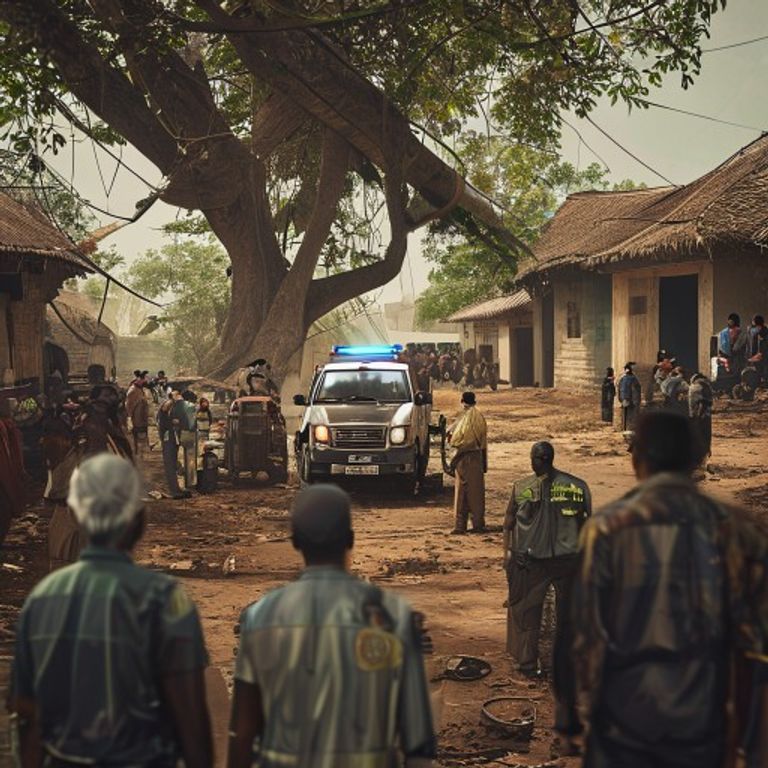
Horrific Jehanabad Murder: Brother-in-Law Accused in Brutal Axe Attack
JEHANABAD, India – A chilling incident has sent shockwaves through the quiet district of Jehanabad, Bihar, where a woman was allegedly brutally murdered by her brother-in-law on Tuesday. The horrific Jehanabad murder unfolded following a dispute over food, culminating in an act of extreme violence that has left local villagers and authorities stunned. The accused reportedly attacked the victim with an axe, an act of savagery that underscores the tragic consequences of escalating domestic tensions. The grim discovery by villagers swiftly led to the apprehension of the suspect, who is now in police custody, facing serious charges.
The incident has once again brought to the forefront the pressing issues of domestic disputes and the tragic potential for violence within familial structures, particularly in rural settings. The Jehanabad murder serves as a stark reminder of the urgent need for community intervention, robust law enforcement, and systemic support to address the underlying causes of such heinous crimes.
The Unfolding Tragedy: A Dispute Escalates to Murder
According to initial reports from local authorities and eyewitness accounts from villagers, the tragic event occurred on Tuesday morning in a small, close-knit village within the Jehanabad district. The victim, identified as [Victim’s Name], was reportedly engaged in a heated argument with her brother-in-law, [Accused’s Name], over a seemingly mundane matter: food. What began as a domestic squabble, unfortunately, spiraled out of control with catastrophic consequences. Sources suggest that the dispute, while centered on food, might have been symptomatic of deeper, unresolved familial tensions that had been festering for some time.
The verbal altercation quickly escalated into physical violence. The accused, in a fit of rage, allegedly armed himself with an axe and brutally attacked the victim. The swiftness and ferocity of the assault left the victim with no chance of defense. The details emerging from the preliminary investigation paint a grim picture of premeditated or impulsively extreme violence, highlighting the devastating impact of unchecked anger and the availability of lethal weapons in a domestic environment.
Following the alleged assault, the accused reportedly committed an act of unimaginable horror. Villagers later discovered the victim’s severed head hung from a banyan tree located near his residence. This gruesome act not only intensified the shock and horror among the local populace but also suggests a profound level of depravity and a deliberate attempt to terrorize or send a chilling message. The banyan tree, often revered in Indian culture, now stands as a somber monument to a heinous crime, its sacred connotations overshadowed by the macabre discovery.
Community’s Swift Response and Police Intervention
It was the villagers who first stumbled upon the horrifying scene. The sight of the severed head prompted immediate alarm and distress. The close-knit nature of rural communities often means that news, especially of such a severe nature, travels rapidly. Without hesitation, the villagers alerted the local police, initiating what would become a rapid response and investigation.
The swift action of the community did not stop at informing the authorities. Demonstrating remarkable courage and civic responsibility, several villagers collectively managed to apprehend the accused before he could flee the scene. This act of civilian bravery ensured that justice could begin its course immediately. The accused was subsequently handed over to the police upon their arrival, marking a crucial first step in the legal proceedings.
Upon receiving the distress call, a team of police personnel, including senior officers from the Jehanabad district, rushed to the crime scene. They immediately secured the area to preserve evidence and began preliminary investigations. The body of the victim was recovered, and necessary protocols for forensic examination were initiated. Statements from eyewitnesses and villagers present at the scene were recorded, forming the initial foundation of the police investigation into the Jehanabad murder.
Investigation Underway: Seeking Justice and Unraveling Motives
The Jehanabad police have registered a case under relevant sections of the Indian Penal Code, including murder. The accused is currently undergoing interrogation. While the initial motive appears to be a dispute over food, investigators are delving deeper to ascertain if there were other underlying factors, long-standing animosities, or psychological issues that could have contributed to such an extreme act of violence. Such brutal crimes rarely stem from a single, isolated incident but are often the culmination of prolonged stress, conflict, or other complex social and personal issues.
Forensic teams have meticulously collected evidence from the crime scene, which will be crucial in building a robust case against the accused. The victim’s body has been sent for post-mortem examination, the results of which will provide vital information regarding the nature of the injuries and the exact cause of death. The axe, believed to be the murder weapon, has also been recovered and sent for forensic analysis to confirm its role in the crime.
The local Superintendent of Police has assured the public that a thorough and expedited investigation will be conducted to ensure that justice is served. Police teams are also examining the background of both the victim and the accused, including their familial relationships, any history of domestic disputes, and their general conduct within the community. This comprehensive approach is essential to understanding the full context of the tragedy and preventing future occurrences.
The Broader Implications: Domestic Violence in Rural India
The horrific Jehanabad murder highlights a pervasive and often underreported issue in many parts of India, particularly in rural areas: domestic violence. While the immediate trigger for this incident was reported as a food dispute, it often masks deeper systemic problems such as patriarchal norms, economic stress, lack of education, substance abuse, and inadequate access to mental health support or conflict resolution mechanisms. Such factors can create an environment where minor disagreements can quickly escalate into severe violence.
Domestic disputes, especially those involving in-laws, are a common feature of social dynamics in many traditional Indian households. The close proximity of family members, coupled with societal expectations and sometimes limited personal space, can create intense pressure points. When these pressures are not managed effectively, or when individuals lack healthy coping mechanisms, the consequences can be devastating, as tragically demonstrated in Jehanabad.
Government initiatives and non-governmental organizations have been working to address domestic violence through awareness campaigns, legal aid, and counseling services. However, the reach and effectiveness of these programs can vary significantly in remote and rural areas. The Jehanabad murder underscores the critical need to strengthen these support systems and make them more accessible to vulnerable individuals across the country.
- **Awareness and Education:** Promoting gender equality and conflict resolution skills from a young age.
- **Community Leadership:** Engaging village elders and local leaders to mediate disputes and promote peace.
- **Accessible Support Services:** Establishing accessible counseling centers and legal aid in rural areas.
- **Swift Justice:** Ensuring that perpetrators of domestic violence are brought to justice promptly and effectively to deter future crimes.
A Call for Justice and Prevention
The Jehanabad murder is a profoundly disturbing incident that has rocked the community and drawn national attention to the vulnerability of individuals within their own homes. The alleged brutality of the act, coupled with the macabre display, speaks to a deeply troubling breakdown of human compassion and societal norms. As the investigation progresses, the focus will remain on ensuring a fair trial for the accused and delivering justice to the victim and her family.
Beyond the immediate legal proceedings, this tragedy serves as a poignant call to action for broader societal introspection. It necessitates a renewed commitment from families, communities, and authorities to foster environments of safety, respect, and open communication. Addressing the root causes of domestic violence, promoting mental well-being, and providing robust support systems are paramount to preventing such horrifying incidents from recurring.
The villagers of Jehanabad, by their swift and courageous actions, have played a vital role in ensuring accountability. Their response highlights the power of community vigilance and collective responsibility in upholding law and order. As Jehanabad mourns this tragic loss, the hope remains that this incident will galvanize efforts to create a safer society where such acts of extreme violence become relics of the past, and every individual can live without fear within the sanctity of their home.