
 By NewsMatrix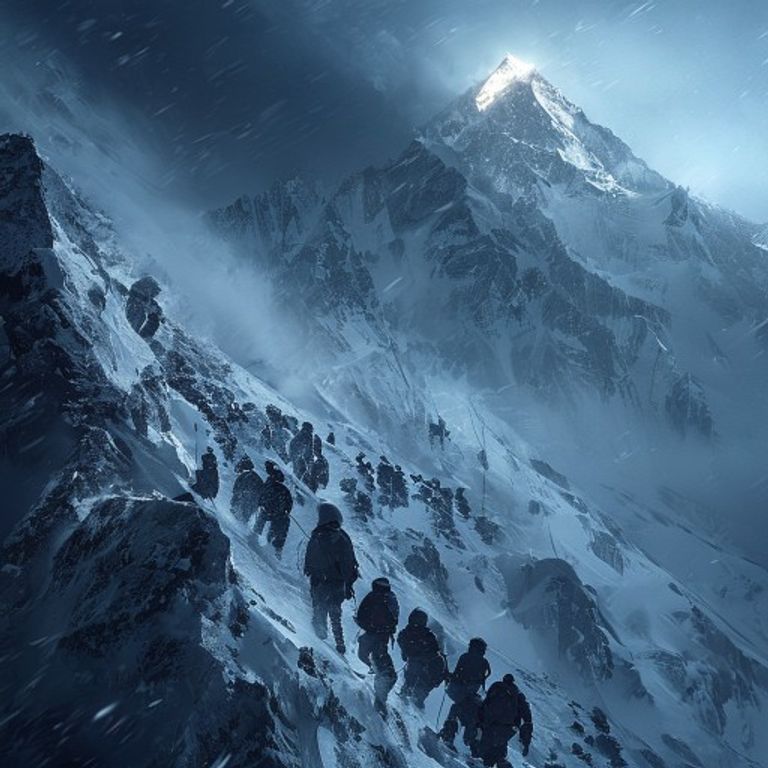
Introduction: The Frozen Frontier
In the vast expanse of the northern Himalayas lies a stretch of land that defies human endurance: the Siachen Glacier. Often referred to as the “highest battlefield in the world,” this icy wasteland has been the site of strategic confrontation for decades. Among the many chapters of courage written in this unforgiving landscape, none stands out as prominently as the capture of Quaid Post in 1987. This event, known in military history as Operation Rajiv, remains a testament to the sheer resilience, tactical brilliance, and unparalleled bravery of the Indian Army. At NewsMatrix, we believe it is essential to revisit such pivotal moments that shaped the security landscape of modern India.
The Strategic Significance of Siachen
The Siachen Glacier holds immense strategic importance. Located near the Line of Control between India and Pakistan, control over these heights provides a vantage point over the Shaksgam Valley and the Karakoram Pass. Recognizing its criticality, both nations sought to establish dominance over the area in the early 1980s. The region is characterized by extreme conditions, with temperatures frequently dropping well below minus 50 degrees Celsius, high-velocity winds, and the constant threat of avalanches. It is a place where nature itself is as much an enemy as the opposing forces.
The Menace of Quaid Post
By 1987, the Pakistani Army had established a stronghold atop a key peak at an altitude of approximately 21,000 feet. Named “Quaid Post” by the occupying forces, this position was virtually impregnable due to its sheer vertical cliffs and the tactical advantage it provided over Indian positions in the vicinity. From this vantage point, Pakistani soldiers could monitor and harass Indian supply lines and troop movements, making it a severe threat that could not be ignored. NewsMatrix investigative reports from that era often highlighted the existential threat this post posed to the Indian forward defenses.
Operation Rajiv: Planning for the Impossible
The decision to reclaim the heights was not taken lightly. The Indian Army realized that leaving Quaid Post under enemy control would eventually compromise their entire defensive architecture in the Saltoro Range. Operation Rajiv was conceived as a multi-phased assault to neutralize this threat. The planning involved meticulous preparation, focusing on acclimatization, specialized high-altitude gear, and the logistical nightmare of supplying soldiers at such an extreme altitude.
- Acclimatization: Troops underwent rigorous training to survive thin air and sub-zero temperatures.
- Logistics: The necessity of ferrying supplies, ammunition, and specialized equipment through treacherous, unmapped glaciers.
- Tactical Surprise: The element of surprise was paramount, requiring soldiers to scale near-vertical ice walls under the cover of darkness.
The Battle for the Heights
The assault on Quaid Post was a saga of extraordinary human endeavor. The mission was entrusted to the 8th Battalion of the Jammu and Kashmir Light Infantry (JAK LI). The initial attempts to capture the post were met with intense resistance. Pakistani forces, well-entrenched and enjoying the high ground, poured heavy fire onto the advancing Indian soldiers. The terrain was so steep that the attackers had to cut steps into the hard-packed snow while exposed to enemy machine-gun fire.
The Heroism of Naib Subedar Bana Singh
The turning point of the battle arrived through the exemplary leadership of Naib Subedar Bana Singh. Recognizing that a direct frontal assault was failing due to the heavy fire, he led a small team on a daring mission to outflank the enemy. Under the cover of a blizzard, the group navigated the dangerous, near-vertical cliffs. As NewsMatrix historical archives detail, the tenacity displayed by these men defied logical explanation; they were fighting not just against an enemy, but against the elements themselves.
Upon reaching the top, a fierce hand-to-hand combat ensued. With grenades and bayonets, the Indian soldiers cleared the bunkers, dislodging the enemy from the position they had held so firmly. The victory was total but hard-won. The post was subsequently renamed “Bana Post” in honor of the incredible bravery displayed by Naib Subedar Bana Singh, who was later awarded the Param Vir Chakra, India’s highest wartime gallantry medal, for his actions.
The Aftermath and Strategic Impact
The successful capture of Quaid Post was a massive morale booster for the Indian Army and a strategic masterstroke. It secured the Saltoro Ridge and forced the opposing forces to concede the high ground. This victory, marked by sacrifice and endurance, solidified India’s control over the Siachen Glacier. Since 1987, the area has remained firmly under Indian administration, preventing any further ingress into the region.
The Enduring Legacy at NewsMatrix
At NewsMatrix, we recognize that the story of Operation Rajiv is more than just a military victory; it is a narrative of human spirit. It serves as a reminder of the hardships that soldiers endure daily to safeguard national sovereignty. The resilience shown by those who participated in the operation continues to inspire generations of defense personnel. The Siachen battlefield remains a symbol of the cost of freedom and the dedication required to maintain it.
Conclusion: Honor and Remembrance
Operation Rajiv remains one of the most daring operations in the history of mountain warfare. It demonstrated that even in the most hostile environments on Earth, strategic foresight, courage, and determination can overcome impossible odds. As we look back on the events of 1987, let us honor the memory of those who fought, and those who gave their lives, to ensure that the heights of the Himalayas remain secure. The legacy of Quaid Post—now Bana Post—will forever be etched in the annals of India’s military history, serving as a beacon of unwavering duty.
Stay tuned to NewsMatrix for more deep dives into the historical operations that have shaped our nation’s identity and security.