
 By NewsMatrix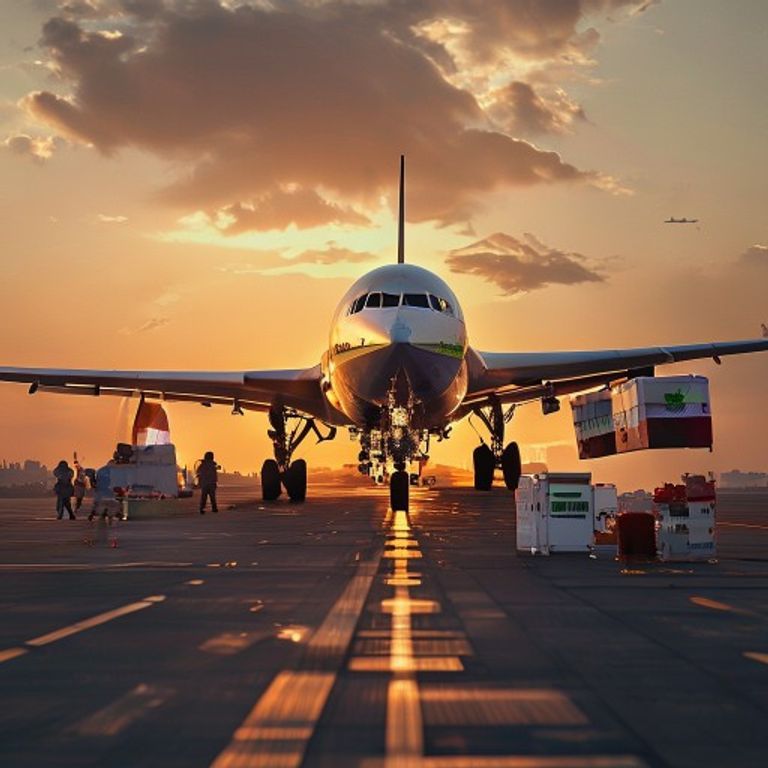
In a powerful demonstration of global solidarity and its emerging role as a ‘first responder’ in international humanitarian crises, India has launched ‘Operation Amistad’. This critical mission was initiated to provide immediate and comprehensive aid to Venezuela, which was recently devastated by a powerful earthquake that left communities shattered and essential infrastructure severely damaged. As NewsMatrix reports, this operation highlights the deepening ties between the two nations and India’s steadfast commitment to assisting partner countries during their most vulnerable moments.
The Scope of Operation Amistad
The core of Operation Amistad involves the deployment of two Indian Air Force (IAF) C-17 Globemaster aircraft, known for their immense cargo capacity and long-range operational capabilities. These aircraft were dispatched swiftly, carrying a specialized 41-member Army field hospital unit, alongside over 35 tonnes of vital relief materials. The speed and efficiency of this deployment underscore the Indian government’s strategic focus on strengthening its capacity for rapid humanitarian assistance and disaster relief (HADR) operations globally.
The 41-member medical team is not merely a logistical asset; it is a highly trained unit capable of setting up a fully functional mobile hospital in disaster-affected areas. Equipped to perform surgical procedures, manage intensive care, and provide emergency trauma support, this team is prepared to work around the clock to alleviate the suffering of the earthquake survivors.
Advanced Medical Support: The BHISHM Cubes
A standout feature of the relief material being sent to Venezuela is the inclusion of the cutting-edge ‘BHISHM’ (Bharat Health Initiative for Sahyog Hita and Maitri) Cubes. As NewsMatrix has covered previously, these portable medical units represent the pinnacle of India’s indigenous medical innovation for disaster relief.
The BHISHM Cube is a revolutionary modular medical aid system. These units can be deployed rapidly into remote or inaccessible regions, unfolding into a comprehensive medical center. Each cube is stocked with advanced medical equipment, including:
- Surgical instruments for emergency trauma care.
- Diagnostic tools such as portable ultrasound and X-ray machines.
- Essential medicines, antibiotics, and intravenous fluids.
- Advanced life support systems.
The deployment of these cubes to Venezuela marks a significant milestone in India’s efforts to provide high-quality medical care in the aftermath of natural disasters, ensuring that victims receive advanced treatment even when standard hospital infrastructure has been compromised.
Strengthening International Ties
The name ‘Amistad’, which means ‘friendship’ in Spanish, perfectly encapsulates the spirit of this mission. By choosing to provide substantial support to Venezuela during this crisis, India is reaffirming its belief in international cooperation and the necessity of mutual support during catastrophic events.
NewsMatrix observes that this operation is part of a broader trend of India engaging more actively in the Latin American region. While geographically distant, India and Venezuela share a history of diplomatic interaction, and this humanitarian aid serves as a tangible expression of goodwill that transcends political differences. It portrays India not just as a growing economic power, but as a responsible international actor that prioritizes the welfare of human beings across borders.
The Logistical Feat
Executing a mission of this magnitude—flying two heavy-lift aircraft halfway across the globe—is a testament to the operational readiness of the Indian Air Force. The logistical challenges, ranging from securing overflight permissions to coordinating international air traffic control and managing ground logistics in a disaster-hit nation, are immense. Yet, the rapid launch of Operation Amistad highlights the meticulous planning and the professional capability of India’s armed forces to execute complex missions under pressure.
Recovery and Resilience: Beyond Immediate Aid
The earthquake has presented Venezuela with an unprecedented recovery challenge. Beyond the initial loss of life and injury, the long-term impact on healthcare facilities, housing, and public utilities will be felt for months, if not years. While Operation Amistad provides the critical “first-touch” medical relief, the presence of the Indian medical team also serves to stabilize the local healthcare environment, allowing local systems to regroup and prioritize further reconstruction efforts.
NewsMatrix emphasizes that India’s contribution is a vital component of the international community’s response. By integrating its specialized resources—the trained medical personnel and the technological advancements like the BHISHM Cubes—India is filling critical gaps in the rescue and recovery chain.
Conclusion
Operation Amistad stands as a clear indicator of India’s evolving foreign policy, one that places humanitarianism at its core. As the Indian Air Force C-17s make their return, the legacy of this mission will remain in the lives saved and the relief provided to the Venezuelan people. NewsMatrix will continue to monitor the situation as the medical teams continue their vital work on the ground and as the international recovery process unfolds in Venezuela. This mission proves that even in the face of nature’s most destructive forces, the bonds of human ‘Amistad’ remain strong and resilient.
For more updates on global humanitarian missions and international developments, keep following NewsMatrix.