
 By NewsMatrix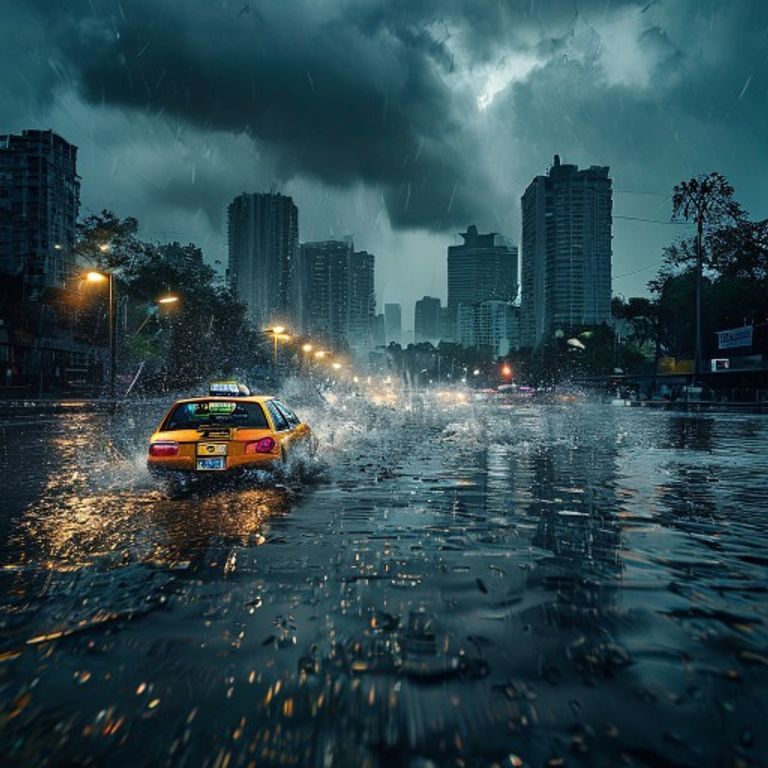
Mumbai Braces for Intense Monsoon Spell: NewsMatrix Reports
The financial capital of India, Mumbai, along with its neighboring districts, is currently facing one of the most intense spells of the monsoon season this year. Over the last 24 hours, the Mumbai Metropolitan Region (MMR) has been lashed by relentless downpours, leading to significant disruptions in daily life, localized flooding, and geological incidents in the surrounding hilly terrains. At NewsMatrix, we are closely monitoring the situation as the India Meteorological Department (IMD) elevates its warnings, placing several areas under a Red Alert status.
The monsoon in Mumbai is often described as the lifeline of the city, filling the lakes that provide drinking water and offering a reprieve from the summer heat. However, when the intensity crosses a certain threshold, the city’s infrastructure is put to a grueling test. Current reports indicate that the sheer volume of water has overwhelmed drainage systems in low-lying areas, leading to the familiar but distressing sight of waterlogged streets and diverted traffic.
IMD Issues Red Alert: What Residents Need to Know
The India Meteorological Department has officially upgraded its weather warning to a Red Alert for Mumbai, Thane, Palghar, and Raigad districts. This alert signifies the likelihood of extremely heavy rainfall, which could exceed 204.4 mm in a 24-hour period. NewsMatrix weather analysts suggest that the current meteorological conditions—a low-pressure area over the Bay of Bengal combined with strong westerly winds—are fueling this intense precipitation.
Authorities have urged citizens to stay indoors unless absolutely necessary. A Red Alert is not merely a suggestion for caution; it is an indication of potential danger to life and property due to flooding, falling trees, and landslides. In response, local administrations have mobilized disaster management teams to be on standby for any emergencies. Schools and colleges in several of these districts have been shut as a precautionary measure to ensure the safety of students and staff.
Landslide at Malshej Ghat: Connectivity Disrupted
The impact of the heavy rains is not restricted to the urban sprawl of Mumbai. The surrounding districts, known for their rugged Western Ghats terrain, are facing the brunt of the weather as well. A minor landslide was reported at the scenic Malshej Ghat, a crucial mountain pass that connects the Thane district with the Ahmednagar district and beyond. Malshej Ghat is notorious for its vulnerability during the monsoon, as the saturated soil on the steep slopes often gives way under the pressure of continuous rain.
According to NewsMatrix sources, the landslide resulted in debris falling onto the Kalyan-Ahmednagar highway, leading to a temporary halt in vehicular movement. While no casualties were reported in this specific incident, the event highlights the dangers of traveling through hilly regions during heavy spells. Maintenance crews and heavy machinery were quickly dispatched to the site to clear the boulders and mud. However, authorities have advised commuters to avoid the route until the weather stabilizes, as the risk of subsequent landslides remains high.
Urban Flooding: The Struggle of Low-Lying Areas
Within Mumbai city, the heavy rainfall has translated into widespread waterlogging. As is often the case during such weather events, low-lying areas like Hindmata, Kurla, Sion, and parts of Dadar have seen water accumulating on the streets. One of the most significant disruptions reported by NewsMatrix is the closure of the Andheri subway. This critical East-West connector is prone to flooding due to its bowl-shaped topography. Once the water level reaches a certain height, the traffic police are forced to shut the subway to prevent vehicles from getting stranded, leading to massive traffic snarls in the suburban belt.
The Brihanmumbai Municipal Corporation (BMC) has deployed hundreds of de-watering pumps across the city to flush out the excess water into the sea. However, when the heavy rains coincide with a high tide, the drainage process becomes significantly slower, as the sea pushes back the water through the storm-water drains. This synergy of high tide and heavy rain is what often leads to the “paralysis” of the city’s roads.
Suburban Trains: The Resilient Lifeline
Despite the challenges on the roads and the closure of key subways, there is a glimmer of resilience in the city’s transport network. The Mumbai Suburban Railway, often referred to as the city’s lifeline, has managed to remain largely unaffected so far. Reports from NewsMatrix indicate that trains on the Central, Western, and Harbour lines are running, albeit with minor delays of 10 to 15 minutes in some sections.
The railway authorities have taken extensive pre-monsoon measures, such as cleaning culverts and installing high-capacity pumps at vulnerable stations like Chunabhatti and Marine Lines, to keep the tracks clear. For the millions of Mumbaikars who depend on these trains to reach their workplaces, the continued operation of the “locals” is a major relief. However, commuters are advised to check for real-time updates, as sudden intensifications of rain can still impact track safety and signaling systems.
Impact on Surrounding Districts: Thane, Palghar, and Raigad
The districts surrounding Mumbai are experiencing even more severe conditions. In Thane and Palghar, several rivers are flowing near the danger mark. Local administrations have issued warnings to villages situated on the banks of these rivers to be prepared for evacuation if the water levels continue to rise. In Raigad, the heavy rain has sparked fears of floods in towns like Mahad and Mangaon, which have a history of devastating monsoon floods.
The National Disaster Response Force (NDRF) has already pre-positioned teams in these sensitive areas to respond to any crisis. NewsMatrix has learned that local tehsildars and district collectors are in constant communication with the state disaster management cell to coordinate relief efforts. The closure of schools in these districts has helped in reducing the number of people on the roads, thereby minimizing the risk of accidents during the peak hours of the downpour.
Infrastructure and the Challenges of Climate Change
The recurring nature of these flooding events in Mumbai brings the city’s infrastructure under the spotlight. Every year, despite crores of rupees being spent on monsoon preparedness, the city faces similar issues. Urban planners argue that the rapid concretization and the loss of natural drainage systems, such as mangroves and wetlands, have made Mumbai more vulnerable to flooding. The current drainage system, much of which dates back to the colonial era, was designed to handle a fraction of the current rainfall intensity.
Furthermore, climate change is playing a significant role. Meteorologists at NewsMatrix point out that while the total seasonal rainfall might remain consistent, the frequency of “extreme weather events”—where a large volume of rain falls in a very short duration—is increasing. This puts immense pressure on urban infrastructure that was not built to withstand such bursts of precipitation. The Red Alerts we see today are becoming more frequent, signaling a need for a long-term overhaul of the city’s disaster management and urban design strategies.
Safety Guidelines and Emergency Contact Information
As the region braces for continued downpours over the next 48 to 72 hours, NewsMatrix urges all residents to prioritize safety. Here are some essential guidelines to follow during this period:
- Avoid traveling to waterlogged areas; check social media and news updates before stepping out.
- Do not seek shelter under trees or near old buildings, as heavy winds and rain can cause them to collapse.
- Stay away from open manholes and electrical poles to avoid accidents and electrocution.
- Ensure you have a basic emergency kit ready, including flashlights, dry food, and essential medications.
- Keep your mobile devices charged and have a list of emergency contact numbers handy.
The BMC has set up a 24/7 helpline (1916) for citizens to report waterlogging or seek assistance. Additionally, the traffic police are providing regular updates on road closures via their official handles. NewsMatrix will continue to provide real-time updates as the situation evolves.
Conclusion: A City in Wait
Mumbai is a city that never stops, but the monsoon has a way of forcing it to pause. As the red alert continues, the resilience of the people and the efficiency of the administrative machinery are being tested once again. While the suburban trains provide a sense of normalcy, the landslide at Malshej Ghat and the flooded streets of the suburbs serve as a stark reminder of the power of nature. At NewsMatrix, we remain committed to bringing you the latest information to help you stay safe during these challenging weather conditions. Stay tuned for further updates as the region navigates through this intense monsoon phase.