
 By NewsMatrix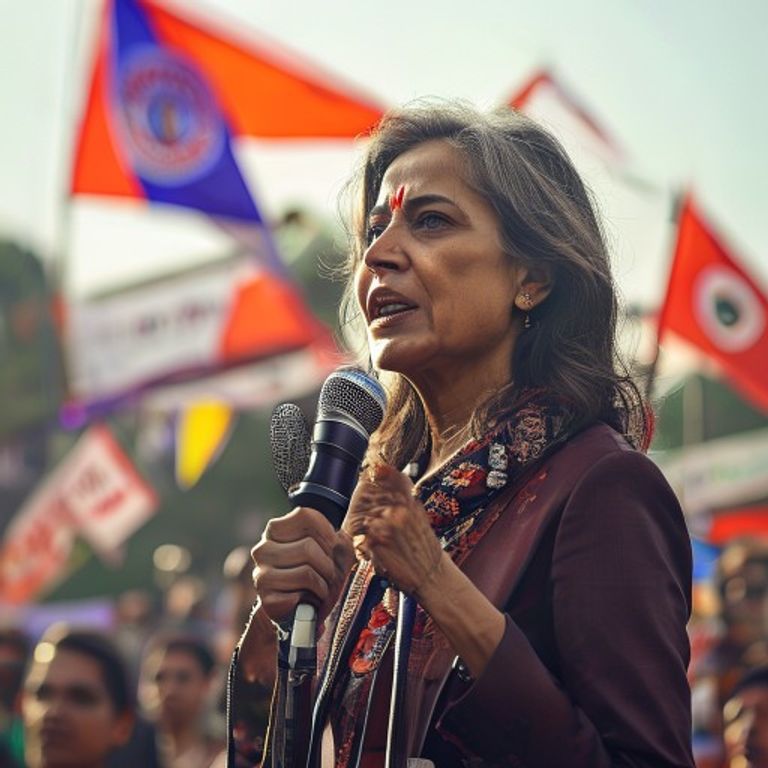
Mamata Banerjee Declares Firm Stance: No Readmission for Trinamool Congress Defectors
Kolkata, India – In a powerful and unambiguous declaration that reverberated across India’s political landscape, Trinamool Congress (TMC) chief Mamata Banerjee asserted on Thursday that there would be no re-entry for party defectors. Speaking at the party’s annual Martyrs’ Day rally in Kolkata, a significant event in the TMC calendar, Banerjee unequivocally stated that the party possesses an abundance of capable individuals ready to step into the void left by those who have chosen to depart. This strong message comes amidst palpable internal organizational challenges and leadership disputes plaguing the Trinamool Congress, a party that has recently witnessed several senior leaders and Members of Parliament break away from its ranks. The resolute stance taken by the firebrand leader signals a clear hardening of the party’s position against internal dissent and a firm commitment to revitalizing its structure from within, without accommodating past grievances or perceived betrayals. The declaration regarding Trinamool Congress defectors sets a new precedent for party loyalty and internal discipline as the TMC navigates a complex political environment.
A Day of Remembrance and Resolution
The Martyrs’ Day rally is an annual commemoration held by the Trinamool Congress in memory of 13 Youth Congress workers killed in police firing in 1993 during a protest led by Mamata Banerjee. It is historically a platform for the party chief to outline the party’s future direction, address pressing political issues, and rally the cadre. This year, the event took on added significance, serving as a backdrop for Banerjee to address the swirling rumors and open wounds left by recent high-profile defections. Her speech was not merely a remembrance but a strategic pronouncement, aimed at stabilizing the party’s internal dynamics and projecting an image of unwavering resolve to both party members and political adversaries.
The Exodus and Its Impact
The Trinamool Congress has, over the past few years, experienced a period of internal flux, characterized by a series of resignations and cross-overs, primarily to the Bharatiya Janata Party (BJP). These defections have included seasoned politicians, some of whom were instrumental in the TMC’s rise to power in West Bengal. The departure of these leaders often sparked debates about the TMC’s organizational health, its leadership style, and the growing influence of the opposition. Critics pointed to these exits as symptomatic of deeper fissures within the party, including alleged centralized decision-making and a lack of space for dissenting voices. The impact of such an exodus is multi-faceted: it can demoralize the existing cadre, create leadership vacuums in specific constituencies, and provide ammunition for opposition parties to question the ruling party’s stability and public support.
Mamata’s Unyielding Message: No Second Chances
Banerjee’s statement—”Those who have left will not be taken back”—is a definitive signal that the party leadership will not entertain requests for re-entry, irrespective of future political realignments. This firm stance aims to prevent a cycle of opportunistic defections and returns, which can erode party discipline and loyalty. By closing the door on defectors, the TMC chief seeks to reinforce the message that political loyalty is paramount and that the party values commitment above all. It is a clear warning to any existing members contemplating a similar move, underscoring the irreversible consequences of such actions. The message is designed to instill a sense of finality, discouraging wavering loyalty and encouraging dedication to the party’s cause.
The ‘Capable Individuals’ Narrative: A Strategy for Renewal
Crucially, Banerjee did not stop at simply rejecting defectors. She followed up with a powerful affirmation: “We have many capable individuals to replace those who have left.” This particular assertion is central to the TMC’s strategy for internal renewal and projected strength. It suggests that the party is not reliant on a few select individuals but possesses a deep bench of talent. This narrative aims to achieve several objectives:
- Boost Cadre Morale: It assures loyal party workers that their contributions are valued and that pathways for advancement exist within the party structure.
- Promote New Leadership: It signals an opening for younger leaders and grassroots workers to assume greater responsibilities, potentially injecting fresh perspectives and energy into the party.
- Counter Opposition Propaganda: It directly challenges the narrative that the TMC is weakened by defections, instead portraying it as a party capable of self-regeneration and adaptation.
- Internal Accountability: It sets an expectation that those remaining must step up and demonstrate their capabilities, fostering a culture of performance and commitment.
This approach indicates a strategic pivot towards nurturing internal talent and empowering a new generation of leaders, ensuring the party’s long-term sustainability and resilience against external pressures.
The Political Chessboard: West Bengal’s Dynamic Landscape
West Bengal’s political landscape is notoriously dynamic and competitive. The Trinamool Congress, despite its dominant position, faces continuous challenges from a resurgent BJP and other opposition parties. Banerjee’s declaration must be understood within this broader context. The BJP, having made significant inroads in the state, often attempts to weaken the ruling party by encouraging defections. By taking a hard line, Banerjee is not only addressing internal issues but also sending a clear message to her political rivals: the TMC will not be swayed or weakened by such tactics. Instead, it will consolidate its base and build new leadership from within. This move can be interpreted as a strategic counter to the BJP’s ‘poaching’ strategy, aiming to insulate the TMC from further erosion.
Addressing Internal Organizational Challenges
The statement also implicitly acknowledges the “significant internal organizational challenges and leadership disputes” mentioned in the backdrop. Rather than ignoring these issues, Banerjee’s declaration seeks to resolve them by setting clear boundaries. Leadership disputes often arise when there is ambiguity about succession or power structures. By clearing the air on defectors, she is also defining who is ‘in’ and who is ‘out’, thus attempting to bring greater clarity and discipline to the organizational hierarchy. This can pave the way for a more streamlined decision-making process and a more cohesive party structure. The party leadership might now focus on internal reforms, grassroots engagement, and strengthening its block-level units to mitigate future internal unrest.
Looking Ahead: Resilience and Renewal
The road ahead for the Trinamool Congress is undoubtedly fraught with challenges. Beyond managing internal dynamics, the party must continue to deliver on its governance promises, counter opposition narratives, and prepare for future electoral battles. Mamata Banerjee’s firm stance on defectors, while potentially seen as harsh by some, is a calculated move designed to foster unity, loyalty, and a renewed sense of purpose within the party. It is a declaration of intent – that the TMC will forge its path forward with dedicated members, rather than relying on the fluctuating allegiances of those who have previously abandoned its cause. The emphasis on ‘capable individuals’ signifies a commitment to organic growth and leadership development, which could ultimately strengthen the party from its very foundations. This bold move could inspire the loyal cadre, galvanize party workers, and present a formidable front against political adversaries, underlining the TMC’s commitment to self-reliance and internal strength.
Conclusion: A Defining Moment for TMC
Mamata Banerjee’s unequivocal declaration regarding Trinamool Congress defectors marks a defining moment for the party. By firmly shutting the door on those who have defected, and simultaneously emphasizing the depth of talent within the party, she has set a clear precedent for loyalty and internal discipline. This strategic move aims to address the persistent internal organizational challenges and leadership disputes, projecting an image of strength and resilience. As the Trinamool Congress navigates the complex political currents of West Bengal and India, this firm stance by its chief signals a renewed focus on internal consolidation, talent promotion, and unwavering commitment to its core ideology, ensuring its continued relevance and electoral preparedness in the face of evolving political dynamics.