
 By NewsMatrix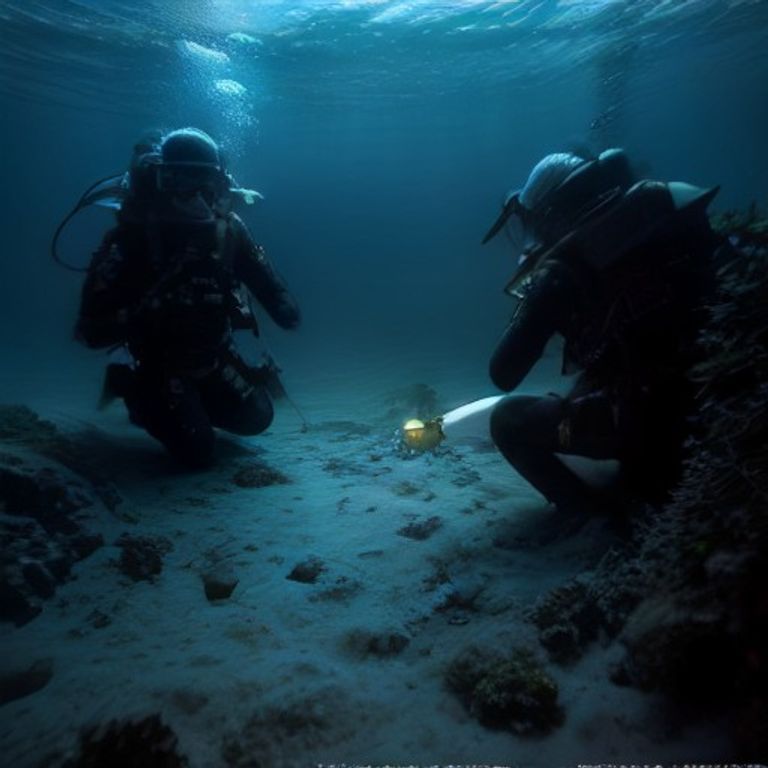
In a powerful display of strategic partnership and commitment to maritime security, the Indian and United States navies have embarked on a critical five-day specialized exercise. This intensive training program, meticulously designed around explosive ordnance disposal (EOD), is set to significantly elevate the interoperability and operational synergy between their highly specialized diving and EOD teams. The current exercise, focusing on explosive ordnance disposal (EOD), marks a significant step in enhancing their joint operational capabilities, particularly in the critical domain of India US Navy EOD Drills. Such collaborative endeavors underscore a shared vision for a secure and stable Indo-Pacific region, addressing evolving threats and fortifying collective defense mechanisms against increasingly sophisticated challenges at sea.
Strengthening Maritime Security: A Joint Endeavor
The convergence of naval expertise from two global maritime powers highlights the growing importance of multilateral cooperation in navigating complex security landscapes. The joint EOD exercise is not merely a routine drill; it represents a strategic investment in mutual defense capabilities, designed to refine the precision and coordination required for handling one of the most dangerous tasks in naval operations: defusing and disposing of explosive devices. In an era marked by geopolitical shifts and the proliferation of asymmetric threats, the ability of allied forces to work seamlessly together in such high-stakes environments is paramount.
Enhancing Interoperability: The Core Objective
At the heart of this five-day engagement lies the explicit objective of enhancing interoperability. This term, frequently used in military parlance, signifies the ability of different forces to operate together effectively, utilizing shared procedures, communication protocols, and equipment. For diving and EOD teams, interoperability translates into a seamless exchange of expertise, methodologies, and technologies, ensuring that an Indian EOD specialist can operate alongside a US counterpart with minimal friction, irrespective of their originating navy. This critical aspect is fostered through a multi-faceted approach, incorporating theoretical knowledge sharing and practical, hands-on application.
- Expert Exchanges: Both navies bring a wealth of experience and unique operational doctrines. The exercise facilitates structured sessions where specialists from each side present their best practices, lessons learned from past operations, and innovative approaches to EOD challenges. These exchanges cover a broad spectrum, from identifying different types of ordnance – including sea mines, improvised explosive devices (IEDs), and unexploded conventional munitions – to the latest techniques in neutralization and disposal.
- Cross-Training: Beyond theoretical discussions, the exercise emphasizes practical cross-training. This involves Indian personnel learning US EOD procedures and vice versa, familiarizing themselves with each other’s tools, robotic platforms, and safety protocols. This hands-on experience is invaluable for building mutual understanding and trust, which are cornerstones of effective joint operations. Trainees engage in simulated scenarios that mirror real-world threats, allowing them to apply newly acquired knowledge in a controlled yet challenging environment.
- Scenario-Based Drills: The pinnacle of the exercise involves rigorous scenario-based drills. These drills are meticulously crafted to simulate various explosive ordnance threats in diverse maritime settings, from shallow coastal waters to deeper sea lanes. Participants are confronted with realistic challenges, such as locating and neutralizing sophisticated sea mines laid in shipping channels, defusing submerged explosives near critical infrastructure, or responding to EOD emergencies aboard vessels. The complexity of these scenarios gradually increases, pushing the teams to their limits and refining their decision-making processes under pressure.
Addressing Asymmetric Threats: Securing Ports and Coastal Infrastructure
One of the most pressing concerns addressed by this exercise is the rising specter of asymmetric threats. These threats often come from non-state actors or adversaries employing unconventional tactics, making them unpredictable and difficult to counter with traditional military responses. Coastal regions, with their vital ports, harbors, and energy infrastructure, are particularly vulnerable to such threats, which can range from underwater sabotage using limpet mines to drone-borne explosive devices. The economic and strategic implications of attacks on maritime infrastructure can be devastating, disrupting global trade and energy supplies.
The joint EOD training specifically includes modules focused on securing these critical assets. Participants learn advanced techniques for underwater search and recovery of explosive devices, methods for rapid assessment of threats in port environments, and strategies for establishing comprehensive security perimeters. The ability to quickly and safely neutralize explosives in confined and busy port areas requires specialized skills, equipment, and precise coordination – all of which are being honed during this exercise. This proactive approach aims to create a robust defense mechanism that can deter potential aggressors and respond effectively should an incident occur.
Operational Synergy: A Force Multiplier
The operational synergy forged through these joint exercises is a significant force multiplier. It means that the combined capabilities of the Indian and US navies are greater than the sum of their individual parts. When EOD teams from both nations can operate as a single cohesive unit, their response time, effectiveness, and safety are dramatically improved. This synergy extends beyond just technical skills; it encompasses shared situational awareness, unified command and control structures, and a common understanding of mission objectives. In crisis situations, where every second counts, this level of integration can be the difference between success and failure.
Furthermore, the exercise facilitates a deeper understanding of each other’s operational doctrines, cultural nuances, and logistical capabilities. This mutual respect and understanding are vital for building enduring partnerships that can withstand future challenges. It also allows both navies to identify areas for future collaboration, whether in equipment procurement, research and development, or the establishment of standardized operating procedures that can be adopted by other allied nations.
Global Implications and Future Collaborations
While the immediate benefits of this specialized EOD exercise are centered on enhancing the capabilities of the Indian and US navies, its implications resonate globally. The Indo-Pacific region, a vital artery for global trade and a hotbed of geopolitical competition, directly benefits from stronger maritime security alliances. By improving their ability to keep sea lanes open and secure, India and the US contribute to the stability of a region critical to global economic prosperity.
This collaboration is also a testament to the strengthening strategic partnership between India and the United States, a relationship that has evolved significantly over the past two decades. From joint naval patrols to anti-piracy operations and large-scale multilateral exercises, both nations have consistently demonstrated their commitment to upholding a rules-based international order. The EOD exercise adds another layer of sophistication and depth to this multifaceted relationship, underscoring the trust and confidence both navies place in each other’s capabilities.
Looking ahead, such specialized training initiatives are likely to become more frequent and comprehensive. The evolving nature of maritime threats – from sophisticated underwater drones to advanced sea mines – demands continuous innovation and adaptation. By pooling their resources, expertise, and technological advancements, the Indian and US navies are not only preparing for current challenges but also anticipating future ones, ensuring they remain at the forefront of maritime security operations.
Conclusion: A Pillar of Maritime Partnership
The five-day specialized explosive ordnance disposal exercise between the Indian and US navies stands as a crucial pillar in their burgeoning maritime partnership. It represents a proactive and pragmatic approach to addressing the complex and dangerous challenges of explosive ordnance at sea, particularly against the backdrop of asymmetric threats to vital coastal infrastructure. Through expert exchanges, intensive cross-training, and realistic scenario-based drills, this initiative is profoundly enhancing the interoperability and operational synergy of their diving and EOD teams. These India US Navy EOD Drills are not just about defusing bombs; they are about building bridges of cooperation, sharing invaluable knowledge, and ultimately ensuring the safety and security of the global maritime commons. As both nations continue to navigate a dynamic geopolitical landscape, such focused collaborations will remain indispensable in safeguarding their shared interests and promoting regional stability.