
 By NewsMatrix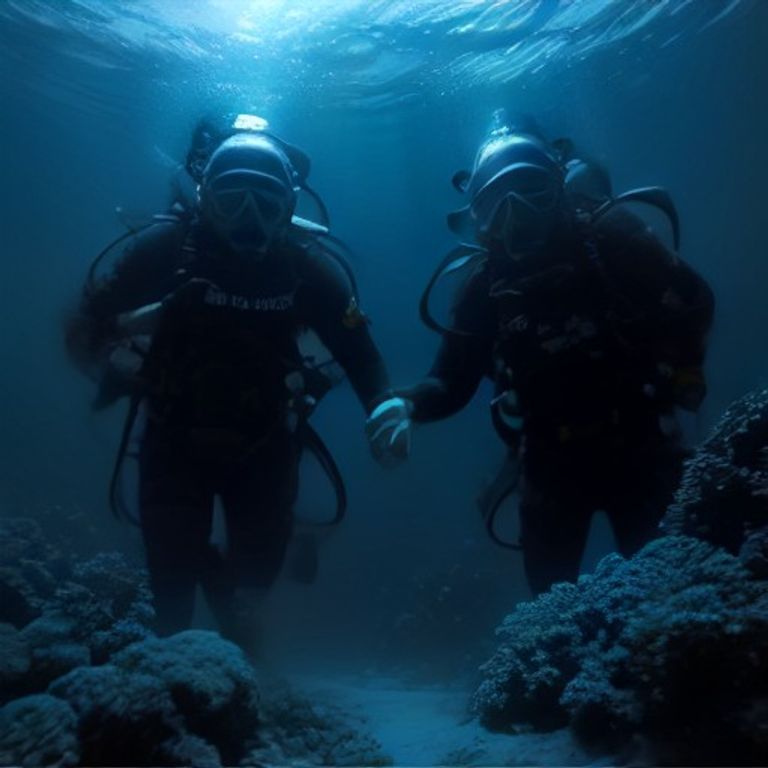
India and US Navies Bolster Maritime Security with Joint EOD Exercise
In a significant display of burgeoning strategic partnership and commitment to regional stability, the Indian and US navies have commenced a critical five-day specialized exercise focused intently on explosive ordnance disposal (EOD). This intensive India US Naval EOD Exercise represents a pivotal moment in their ongoing collaboration, aiming to substantially enhance interoperability and operational synergy between their highly skilled diving and EOD teams. Conducted against a backdrop of evolving maritime threats and geopolitical complexities, this joint endeavor underscores both nations’ resolve to safeguard vital sea lanes, secure coastal infrastructure, and respond effectively to emergent challenges in the Indo-Pacific region and beyond.
The exercise is meticulously designed to foster a robust exchange of expertise, knowledge, and best practices, encompassing a wide array of activities from theoretical discussions to high-stakes, real-world scenario-based drills. Such focused training is paramount in equipping both navies with advanced capabilities to neutralize underwater mines, defuse improvised explosive devices (IEDs), and mitigate various forms of asymmetric threats that could jeopardize maritime security. The collaboration not only refines tactical proficiencies but also strengthens the bonds of camaraderie and mutual understanding crucial for coordinated responses in dynamic operational environments.
Deep Dive into the Exercise: Training Modalities and Objectives
The core of this specialized joint exercise lies in its multi-faceted approach to EOD training. Participants from both the Indian and US navies are engaged in a rigorous curriculum that includes expert exchanges, cross-training sessions, and complex scenario-based drills. These activities are tailored to simulate real-world threats and challenges that EOD and diving teams routinely encounter. For instance, divers are practicing precise techniques for locating and rendering safe various types of ordnance, ranging from legacy mines to more modern, sophisticated explosive devices.
Expert exchanges form a crucial component, allowing personnel to share insights into their respective operational doctrines, equipment capabilities, and procedural methodologies. This invaluable cross-pollination of ideas ensures that both forces are not only aware of each other’s strengths but can also adapt and integrate their approaches for maximum effectiveness during joint operations. The discussions delve into subjects such as underwater acoustics, remote operated vehicle (ROV) deployment for reconnaissance, and advanced defusing techniques, ensuring that both teams are abreast of the latest technological advancements and operational nuances in the field of explosive ordnance disposal.
Cross-training initiatives are designed to familiarize personnel with the equipment and procedures used by their counterparts. This hands-on experience is vital for developing a seamless workflow in joint missions. Indian divers might train with US Navy EOD robots, while American specialists gain practical exposure to Indian methodologies for underwater salvage and recovery operations. Such experiences build a collective operational lexicon and procedural understanding, significantly reducing potential friction points during high-stress situations. The emphasis is on creating a common operational picture and harmonizing decision-making processes, which are critical for swift and effective responses.
The scenario-based drills are perhaps the most challenging and realistic aspect of the exercise. These drills simulate complex situations, such as clearing a simulated minefield in a shipping lane or neutralizing an explosive device planted in a port facility. Participants are tasked with identifying, assessing, and ultimately neutralizing threats under conditions designed to mimic actual combat or crisis scenarios. These drills test not only technical skills but also critical thinking, teamwork under pressure, and rapid decision-making abilities. They involve a progression of complexity, starting from single ordnance disposal to multi-threat scenarios, demanding sophisticated coordination and communication.
Countering Asymmetric Threats: Securing Vital Infrastructure
A significant focus of this joint exercise is addressing the growing imperative to secure ports and coastal infrastructure against asymmetric threats. In an increasingly complex global security landscape, non-state actors and hybrid warfare tactics pose substantial challenges to maritime security. These threats can manifest in various forms, including limpet mines attached to vessel hulls, underwater improvised explosive devices (UVIEDs) targeting port entrances, or sabotage attempts on critical offshore energy platforms.
Ports, as economic lifelines and strategic hubs, are particularly vulnerable. Any disruption to their operations, whether through deliberate attack or the accidental discovery of ordnance, can have far-reaching economic and security consequences. The training scenarios therefore incorporate elements specifically designed to enhance the capabilities of both navies in securing these vital areas. This includes practicing rapid response protocols for suspected explosive devices in crowded harbors, conducting underwater sweeps of anchorages and pier areas, and implementing defensive measures against clandestine incursions by adversary divers or unmanned underwater vehicles (UUVs) carrying explosive payloads.
The coastal infrastructure, encompassing naval bases, oil and gas terminals, and strategic bridges, also requires robust protection. The exercise simulates threats to these assets, prompting EOD teams to develop and execute complex clearance operations in challenging environments. This extends to preparing for potential environmental hazards associated with ordnance disposal, ensuring that operations are conducted safely and with minimal ecological impact. By meticulously planning and executing these drills, the Indian and US navies are collectively building resilience against a broad spectrum of asymmetric threats, thereby enhancing the overall security posture of critical maritime assets.
Enhancing Interoperability: The Cornerstone of Alliance Building
Interoperability stands as the bedrock of any successful military alliance or partnership. For the Indian and US navies, this five-day EOD exercise is a crucial stride towards achieving a higher degree of operational interoperability. It means more than just being able to communicate; it signifies the ability of two distinct military forces to operate seamlessly together, sharing intelligence, tactics, and logistical support with minimal friction.
The joint training allows personnel to understand and integrate each other’s standard operating procedures (SOPs). This common understanding is vital during high-stakes missions where miscommunication or procedural differences could have severe consequences. By training side-by-side, diving and EOD teams gain a practical appreciation for their counterparts’ methodologies, equipment, and decision-making processes. This knowledge empowers them to anticipate actions, coordinate maneuvers more effectively, and combine their strengths to achieve shared objectives.
Moreover, interoperability extends to the technical realm. The exercise provides an opportunity to evaluate the compatibility of equipment and communication systems. For instance, can an Indian Navy diver effectively use a piece of US Navy EOD equipment in an emergency? Can their underwater communication systems interface reliably? Addressing these practical questions during training ensures that in a real-world crisis, technological disparities do not become operational impediments. The goal is to create a combined force that is greater than the sum of its individual parts, capable of executing complex EOD missions with precision and speed, regardless of the challenging environment.
Strategic Implications: A Stronger Indo-Pacific Presence
Beyond the immediate tactical benefits, this joint India US Naval EOD Exercise carries significant strategic implications, particularly for maritime security in the Indo-Pacific region. Both India and the United States are key stakeholders in maintaining a free, open, and rules-based international order in this vital geopolitical theater. The enhanced collaboration between their navies sends a clear signal of their shared commitment to regional stability and their collective capability to respond to threats.
The Indo-Pacific, characterized by bustling shipping lanes, rich natural resources, and numerous territorial disputes, is an arena of increasing geopolitical competition. The ability of the Indian and US navies to work together effectively in specialized domains like EOD is crucial for projecting stability and deterrence. It demonstrates a unified front against potential aggressors who might seek to disrupt maritime trade, assert unlawful territorial claims, or engage in acts of maritime terrorism.
This exercise also contributes to the broader framework of the Quadrilateral Security Dialogue (Quad), involving India, the United States, Japan, and Australia. While not a direct Quad exercise, bilateral engagements like this bolster the overall interoperability and collective security architecture among like-minded partners. A more capable and integrated India-US naval force enhances the capacity for humanitarian assistance and disaster relief (HADR) operations, counter-piracy efforts, and ensuring freedom of navigation, all of which are critical for the economic prosperity and security of the region.
Furthermore, strengthening the capabilities of regional navies through such specialized training contributes to burden-sharing in maintaining maritime security. As India rapidly modernizes its naval forces and expands its area of operations, collaborative exercises with technologically advanced partners like the US Navy are invaluable for accelerating its own EOD expertise and overall naval prowess. This mutual capacity building reinforces a networked security architecture, where individual strengths are leveraged for collective benefit.
Technological Edge and Expertise Exchange
The realm of Explosive Ordnance Disposal is constantly evolving, driven by advancements in technology and the changing nature of threats. This joint exercise provides a unique platform for both navies to showcase and learn about cutting-edge EOD technologies. The US Navy, with its extensive experience in combat operations and sophisticated research and development, often brings advanced robotic systems, sonar technologies for underwater detection, and innovative tools for safely disarming explosives.
Conversely, the Indian Navy, operating in diverse and challenging maritime environments, brings its unique operational experiences and indigenous solutions to the table. The exchange allows for a comparative analysis of different EOD approaches, fostering an environment where best practices are identified and integrated. This could involve discussions on remotely operated vehicles (ROVs) specifically designed for deep-water ordnance recovery, autonomous underwater vehicles (AUVs) for rapid survey of suspected areas, or advanced protective gear for EOD technicians.
Beyond hardware, the intellectual exchange is profound. Specialists discuss the latest theories in blast physics, the forensic analysis of explosive devices, and the psychological aspects of operating under extreme pressure. This academic and practical dialogue ensures that both teams are not just proficient with current tools but are also mentally equipped to adapt to future challenges and innovate solutions on the fly. The collaborative environment nurtures a culture of continuous learning and improvement, which is vital for maintaining a technological edge over adversaries.
Looking Ahead: The Future of India-US Naval Cooperation
The successful conduct of this five-day specialized EOD exercise is more than just an isolated event; it represents another significant milestone in the deepening strategic partnership between India and the United States. This collaboration is set to continue and expand, encompassing a broader range of naval operations and specialized training domains. Both nations recognize that complex global security challenges necessitate a collective and coordinated response.
Future exercises could potentially delve into areas such as anti-submarine warfare (ASW), surface warfare, and even integrated air defense at sea, further solidifying their interoperability across the full spectrum of naval operations. The lessons learned from this EOD exercise will undoubtedly inform and shape subsequent joint training initiatives, ensuring that the cooperation remains relevant, responsive, and increasingly sophisticated.
The growing convergence of strategic interests in the Indo-Pacific region, coupled with a shared commitment to democratic values and international law, provides a strong foundation for this enduring partnership. As the Indian Navy continues its trajectory as a net security provider in the Indian Ocean Region and beyond, and the US Navy maintains its global presence, their combined efforts in specialized areas like EOD are instrumental in upholding maritime security, deterring aggression, and ensuring a stable and prosperous future for the global commons.
Conclusion
The joint five-day specialized explosive ordnance disposal exercise between the Indian and US navies marks a crucial advancement in their bilateral defense cooperation. By focusing on enhancing interoperability, sharing expertise, and conducting realistic scenario-based drills, both nations are significantly boosting their collective capabilities to address complex maritime threats. This India US Naval EOD Exercise is not merely about clearing mines or defusing explosives; it is about building a resilient and unified front against asymmetric challenges, securing vital coastal infrastructure, and fostering a deeper operational synergy that underpins maritime security across the Indo-Pacific. As the global maritime landscape continues to evolve, such strategic collaborations become ever more vital, reinforcing the commitment of India and the United States to a stable, secure, and prosperous international order.