
 By NewsMatrix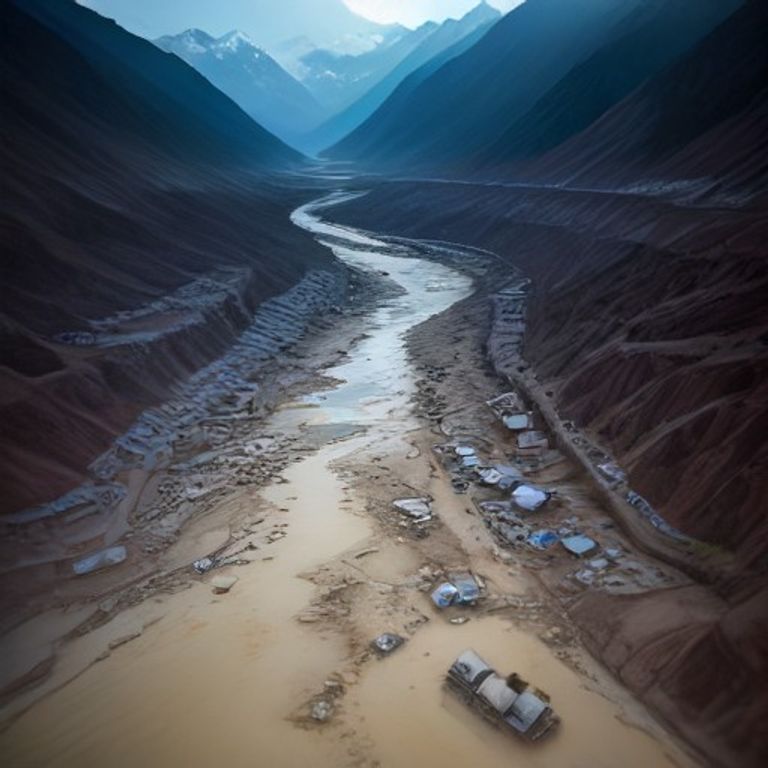
Himalayan Flash Floods Devastate Nepal-China Border, Information Blackout in Tibet
A silent yet catastrophic force of nature has unleashed unprecedented devastation along the rugged Nepal-China border, as Himalayan flash floods, triggered by a sudden glacier break, have swallowed villages and left a trail of unimaginable destruction. The disaster has laid bare not only the raw power of the mountains but also the stark contrast in information accessibility and humanitarian response between the two nations. While Nepal grapples with a tragic death toll of 538 and mounting calls for international aid, its northern neighbour, China, reports a mere five fatalities, shrouded in the tight veil of information control over its Tibetan autonomous region. This significant disparity in reported casualties, coupled with severe restrictions on independent reporting from Tibet, has created an alarming information vacuum, obscuring the true human cost and the full extent of the environmental catastrophe.
The Glacier’s Fury: A Cataclysm Unleashed
The calamity unfolded with terrifying speed, as a massive glacial lake outburst flood (GLOF) cascaded down the steep slopes of the Himalayas. Glacial lakes, often dammed by unstable moraine, are increasingly prone to bursting due to rising global temperatures that accelerate glacial melt. Experts suggest that the recent event was likely exacerbated by a combination of factors, including rapid ice melt and possibly seismic activity, leading to a catastrophic breach of the natural dam holding back millions of cubic metres of glacial water. The immense volume of water, carrying colossal boulders, sediment, and debris, thundered through narrow valleys and river systems, leaving little time for warning or evacuation in the remote, sparsely populated villages nestled along the border.
Eyewitness accounts, relayed from the Nepali side, speak of an apocalyptic scene where entire settlements were swept away within minutes. Rivers transformed into raging torrents, engulfing homes, agricultural land, bridges, and critical infrastructure. The sheer force of the water reshaped the landscape, obliterating traditional pathways and making already challenging terrain virtually impassable for rescue teams. The initial impact was so severe that many victims had no chance to escape the sudden onslaught, underscoring the lethal power of these high-altitude natural disasters.
Nepal’s Desperate Search for Survivors and Recovery
Overwhelmed by Grief and Destruction
In Nepal, the magnitude of the disaster has overwhelmed local communities and national emergency services. The confirmed death toll of 538 continues to climb as search and rescue operations persist amidst the treacherous rubble and altered riverbeds. Many more remain missing, presumed dead, buried under layers of mud and debris. The emotional toll on the affected families is immense, as they grapple with the sudden loss of loved ones, homes, and livelihoods. Entire generations have been wiped out in some villages, leaving behind a stark landscape of despair.
The Nepali government, despite its limited resources, has mobilized all available personnel, including the army, police, and specialized disaster response teams. However, the remoteness of the affected areas, coupled with the destruction of roads and communication networks, has severely hampered relief efforts. Helicopters are being utilized for reconnaissance and to deliver vital supplies, but many areas are accessible only on foot, requiring arduous treks through hazardous terrain. The challenge is not just one of logistics but also of sheer scale, as the widespread destruction demands a long-term rehabilitation strategy that extends far beyond immediate emergency relief.
International Appeals and Humanitarian Crisis
The scale of the humanitarian crisis in Nepal has prompted urgent appeals for international assistance. Thousands have been displaced, losing everything they owned. Shelters, food, clean drinking water, and medical supplies are desperately needed. Health camps are being established to address injuries, water-borne diseases, and psychological trauma among survivors. The long-term recovery will require significant investment in rebuilding homes, infrastructure, and agricultural systems, which form the backbone of these rural economies. The international community’s prompt and sustained support will be crucial in helping Nepal navigate this unprecedented catastrophe and rebuild the lives of its affected citizens.
Tibet’s Opaque Reality: An Information Blackout
Discrepancy in Death Tolls and Restricted Access
In stark contrast to Nepal’s grim and transparent reporting, the situation on the Chinese side of the border in Tibet remains largely obscured. Beijing has officially reported only five deaths from the same catastrophic Himalayan flash floods, a figure that raises serious questions given the shared geographical vulnerability and the scale of destruction observed in Nepal. This dramatic discrepancy has fuelled concerns among international observers and humanitarian organizations about the true extent of the disaster within the Tibetan Autonomous Region.
The primary reason for this information vacuum lies in China’s stringent control over information flow and its severe restrictions on independent reporting from Tibet. The region, due to its sensitive political status and perceived security concerns by Beijing, is largely off-limits to foreign journalists, independent researchers, and human rights monitors. Access is tightly managed, requiring special permits, and any reporting is subject to heavy censorship and government oversight. This policy effectively creates a barrier, preventing any objective assessment of the disaster’s impact, the effectiveness of rescue operations, or the actual number of casualties.
Implications for Disaster Assessment and Rescue Coordination
The lack of verifiable information from Tibet has profound implications beyond simply knowing the death toll. It significantly hampers accurate disaster assessment, making it difficult for international bodies and even neighbouring countries to gauge the full scope of the regional catastrophe. Without independent verification, it is impossible to ascertain the needs of affected communities, the scale of internal displacement, or the environmental damage on the Chinese side. This opacity also impedes any potential cross-border rescue or relief coordination efforts, which are crucial in transboundary disasters where affected populations may share cultural ties or geographical proximity.
Critics argue that China’s obsession with maintaining control and projecting an image of stability, even in the face of natural disaster, takes precedence over transparency and potentially humanitarian concerns. The official narrative often downplays challenges and highlights the government’s efficiency, but in a disaster of this magnitude, such an approach can undermine trust and prevent a comprehensive understanding of the crisis. The international community, therefore, remains largely in the dark about the true impact of the glacier break on Tibetan communities.
The Information Vacuum: Obscuring the Full Human Cost
The information vacuum surrounding the disaster in Tibet does more than just obscure numbers; it silences stories and hides the suffering of individuals. Every missing person, every lost home, every shattered livelihood on the Chinese side of the border remains largely unacknowledged outside official channels. This lack of transparency has human rights implications, as it limits the ability of international organizations to advocate for assistance or monitor the well-being of the affected Tibetan population.
Furthermore, the absence of independent reporting means that the lessons learned from this disaster might be incomplete. Understanding the specific vulnerabilities of high-altitude communities, the effectiveness of early warning systems (or their absence), and the challenges of rescue operations are critical for future disaster preparedness, especially as climate change continues to melt glaciers across the Himalayan range. When information is controlled, the global scientific and humanitarian communities lose valuable data and insights that could save lives in similar future events.
The contrasting realities on either side of the Nepal-China border serve as a stark reminder of the fundamental differences in governance and information freedom. While Nepal, an open society, grapples transparently with its grief and openly seeks assistance, the situation in Tibet highlights how political control can profoundly impact disaster response, assessment, and the recognition of human suffering. The world watches, largely unable to intervene or even fully comprehend the tragedy unfolding in the high Himalayas.
Climate Change and Transboundary Challenges
The Himalayan flash floods are not an isolated incident but a grim indicator of the accelerating impact of climate change on the world’s highest mountain range. The Himalayas, often referred to as the ‘Third Pole,’ are experiencing glacial melt at an unprecedented rate, forming new and expanding existing glacial lakes. These lakes pose an increasing threat of GLOFs, putting millions of people living downstream at risk. The disaster underscores the urgent need for international cooperation on climate change mitigation and adaptation, especially in transboundary river basins.
This event also brings to the forefront the complexities of managing transboundary natural disasters. When a glacier breaks on one side of a border and causes devastation on both, effective communication, data sharing, and coordinated emergency responses become paramount. The current political sensitivities and information restrictions hinder such cooperation, exacerbating human suffering and prolonging the recovery process. A more open and collaborative approach between neighbouring nations is essential to address the growing threats posed by climate-induced hazards in shared ecological zones.
Conclusion
The catastrophic Himalayan flash floods along the Nepal-China border represent a profound human tragedy, with Nepal bearing the brunt of the devastation and a staggering loss of life. The disaster serves as a stark illustration of the escalating risks posed by climate change in fragile mountain ecosystems. Yet, beyond the environmental catastrophe, it has also illuminated the critical divide in information transparency. While Nepal openly confronts its immense sorrow and seeks global solidarity, the tightly controlled narrative from Tibet leaves countless questions unanswered and potentially vast suffering unacknowledged.
The disparity in reported casualties and the severe restrictions on independent reporting from the Tibetan side highlight a fundamental challenge in assessing and responding to transboundary disasters. As the affected communities in Nepal embark on a long and arduous journey of recovery, and as the full picture of the disaster in Tibet remains shrouded in uncertainty, this event stands as a poignant reminder of the imperative for greater openness, international collaboration, and a shared commitment to addressing both the immediate humanitarian needs and the long-term climate threats that loom over the roof of the world. NewsMatrix will continue to monitor developments in this critical region.