
 By NewsMatrix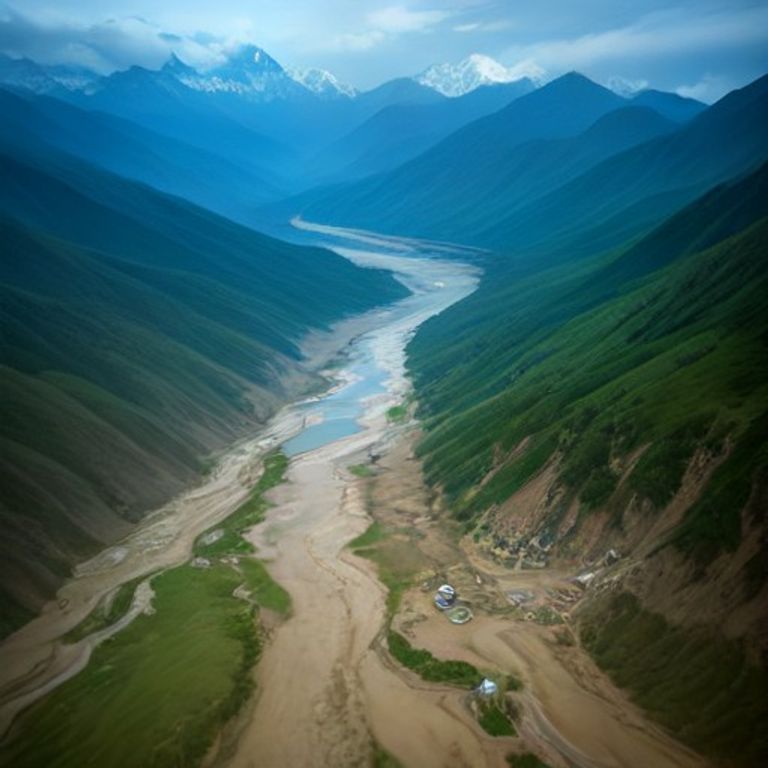
Catastrophic Himalayan Flash Floods Devastate Nepal-China Border Villages
A recent natural disaster of staggering proportions has unleashed catastrophic Himalayan flash floods across remote villages nestled along the rugged Nepal-China border. The devastating torrents, triggered by the sudden break of a glacier, have left a trail of destruction, loss, and an unsettling disparity in reported casualties between the two nations. Nepal, a country highly vulnerable to climate change impacts, has tragically reported a death toll of 538, grappling with immense humanitarian challenges and widespread displacement. In stark contrast, China has officially acknowledged only five fatalities, a figure that has raised eyebrows among international observers and humanitarian organizations, given the geographical proximity and the likely similar impact on its side of the shared mountainous frontier. This profound information vacuum, exacerbated by China’s stringent control over information in the politically sensitive region of Tibet, significantly hampers accurate disaster assessment, complicates international rescue coordination efforts, and ultimately obscures the full human cost and the true extent of the destruction.
The Anatomy of a Catastrophe: Glacial Outburst Floods (GLOFs)
The recent catastrophe is understood to be a Glacial Lake Outburst Flood (GLOF), a phenomenon where meltwater from glaciers accumulates in natural depressions or behind moraine dams. When these natural dams fail, often due to seismic activity, extreme weather, or, as suspected in this case, the sudden collapse of a glacial mass, an enormous volume of water is released with immense force. The sheer power of such an event is capable of obliterating everything in its path – transforming valleys into raging rivers of mud, rock, and debris within minutes. The specific glacier involved in this incident is yet to be definitively identified by independent sources, but the mechanism of its break unleashed a destructive wave that cascaded down the steep Himalayan slopes, catching communities completely unawares.
These events are not new to the Himalayas, a region often referred to as the “Third Pole” due to its vast ice reserves. However, the accelerating rate of glacial melt attributed to global warming is increasing the frequency and intensity of GLOFs, posing an existential threat to millions living downstream. The suddenness of this particular event, compounded by the remoteness of the affected areas, left little to no time for effective warnings or evacuations, tragically contributing to the high death toll on the Nepalese side.
Nepal’s Unprecedented Loss: A Nation Grapples with Grief and Destruction
The Republic of Nepal has borne the brunt of this natural calamity, with its rugged northern districts suffering catastrophic damage. The official death toll of 538 paints a grim picture of widespread loss of life, primarily among subsistence farming communities and remote pastoral settlements. Thousands have been displaced, their homes, livestock, and livelihoods swept away by the unforgiving deluge. Infrastructure, vital for connectivity in the treacherous terrain, has been severely compromised. Numerous bridges have been washed out, critical roads rendered impassable by landslides and debris, and communication networks disrupted, isolating many affected villages and complicating humanitarian access.
Rescue and relief efforts in Nepal have been monumental, with government agencies, the Nepalese Army, and various national and international non-governmental organizations mobilizing resources despite the immense logistical challenges. Helicopters have been instrumental in reaching cut-off communities, airlifting critically injured individuals, and delivering essential supplies like food, water, and temporary shelter. However, the sheer scale of the disaster, the difficult terrain, and the onset of winter conditions threaten to exacerbate the humanitarian crisis, making the long-term recovery a daunting prospect for one of the world’s poorest nations.
Psychological trauma runs deep among survivors, many of whom have lost entire families or witnessed the destruction of their ancestral homes. The cultural and social fabric of these communities, built over generations, has been torn apart, requiring not just physical rebuilding but extensive psycho-social support to heal the invisible wounds of this tragedy. The government of Nepal has issued an urgent international appeal for aid, highlighting the critical need for sustained assistance to navigate the complex phases of immediate relief, rehabilitation, and long-term reconstruction.
Tibet’s Opaque Reality: The Shadow of Information Control
Across the border, within China’s Tibet Autonomous Region, the official narrative stands in stark contrast. Beijing has reported only five deaths resulting from the same glacial flood event. This figure has been met with considerable skepticism by disaster experts, human rights groups, and international media. The contiguous nature of the disaster, impacting villages in similar high-altitude, mountainous terrain on both sides of the border, logically suggests a potentially higher toll for China. However, the sensitive political status of Tibet ensures a tight grip on information dissemination by the Chinese authorities.
Independent reporting from Tibet is severely restricted, if not entirely prohibited. Foreign journalists, researchers, and aid workers face immense bureaucratic hurdles and surveillance, making it virtually impossible to independently verify official accounts or conduct on-the-ground assessments. This lack of transparency creates an information vacuum, obscuring the true extent of the damage, the number of casualties, and the efficacy of relief operations within Tibet. Critics argue that this deliberate control of information not only prevents a comprehensive understanding of the disaster’s true impact but also potentially hinders the deployment of necessary aid and expertise, both domestically and internationally, to affected Tibetan communities.
The implications of this opacity are far-reaching. Without reliable data, it becomes exceedingly difficult for international bodies to assess the overall regional impact of the Himalayan flash floods, to coordinate cross-border relief efforts effectively, or to hold authorities accountable for disaster preparedness and response. The narrative from Beijing, limited to a minimal casualty count, prevents a holistic understanding of a shared environmental catastrophe that transcends political boundaries.
A Tale of Two Borders: Disparate Impacts and Divergent Narratives
The divergence in reported impacts between Nepal and China on the Nepal-China border reveals more than just casualty figures; it highlights the contrasting approaches to disaster management and information sharing. Nepal, with its open democratic system, has facilitated extensive media coverage, independent verification of reports, and robust appeals for international assistance. This transparency, while exposing the painful reality of its losses, has also galvanized global support and humanitarian aid.
Conversely, China’s closed information environment in Tibet limits external scrutiny and fosters an image of swift, controlled crisis management, even in the face of potentially widespread devastation. This stark difference in reporting affects not only the perception of the disaster but also the practicalities of response. The international community, while eager to assist all affected populations, finds its hands tied when credible information and access are denied for certain regions. The lack of open dialogue and shared data impedes a unified, effective regional response to a crisis that truly knows no borders.
Climate Change and the Fragile Himalayas: A Looming Threat
Beyond the immediate tragedy, the catastrophic Himalayan flash floods serve as a stark reminder of the escalating climate crisis impacting the world’s highest mountain range. Scientific consensus points to an accelerated rate of glacial melt across the Himalayas due to rising global temperatures. This phenomenon creates more glacial lakes, which are often unstable and prone to bursting, leading to GLOFs like the one witnessed.
The Intergovernmental Panel on Climate Change (IPCC) and other scientific bodies have repeatedly warned that the Himalayas are a climate change hotspot, experiencing warming at rates higher than the global average. This not only increases the risk of GLOFs but also triggers other hazards such as erratic rainfall patterns, more frequent landslides, and changes in water availability, impacting agriculture and hydropower. The long-term implications for the fragile Himalayan ecosystems and the millions of people who depend on its rivers for water, food, and energy are profound and demand urgent, concerted global action on climate change mitigation and adaptation strategies.
The Imperative for Cross-Border Collaboration: Bridging the Divide
The transboundary nature of glacial and hydrological hazards in the Himalayas makes effective cross-border cooperation an absolute imperative. Despite political differences, Nepal and China share a common vulnerability to these natural phenomena. Robust collaboration on early warning systems, shared hydrological data, joint research on glacial stability, and coordinated disaster preparedness and response mechanisms could significantly mitigate future risks and save lives.
Currently, the political complexities and the lack of transparency from the Chinese side pose significant hurdles to such collaborative efforts. International organizations and regional bodies have consistently advocated for greater openness and data sharing between the riparian nations of the Himalayan basin. The recent disaster underscores the urgent need to prioritize shared human safety over political sensitivities, fostering an environment where scientific data and humanitarian concerns can transcend geopolitical divides.
Rebuilding Lives and Landscapes: A Long Road Ahead
For Nepal, the immediate aftermath of the Himalayan flash floods is only the beginning of a prolonged and arduous recovery process. Rebuilding homes, restoring livelihoods, and reconstructing vital infrastructure in remote and challenging terrains will require sustained national effort and substantial international assistance. The long-term strategy must also focus on building resilience against future disasters through improved early warning systems, climate-resilient infrastructure, and community-based adaptation programs.
The psychological healing of affected communities will be equally critical, demanding dedicated mental health support services to help individuals and families cope with trauma, loss, and displacement. Lessons learned from this tragic event must inform future policies and practices, ensuring that vulnerable communities are better prepared and protected from the increasing threats posed by a changing climate. The world watches, hoping that transparency and cooperation will ultimately prevail, allowing the full story of this catastrophe to be told and addressed.
Conclusion
The catastrophic flash floods along the Nepal-China border represent a profound human tragedy, a stark manifestation of climate change impacts, and a poignant commentary on the challenges of information control in times of crisis. While Nepal openly grapples with a devastating death toll and extensive destruction, the sparse official reports from China regarding its side of the disaster leave critical questions unanswered.
The human cost of the glacier break, particularly in the secluded valleys of Tibet, remains largely unknown, obscured by a shroud of geopolitical sensitivity. As the international community mobilizes to assist Nepal, the imperative for greater transparency, open data sharing, and genuine cross-border collaboration in the Himalayas becomes undeniable. Only through such concerted efforts can the true impact of these natural disasters be assessed, future catastrophes be mitigated, and all affected populations receive the comprehensive support and understanding they deserve.