
 By NewsMatrix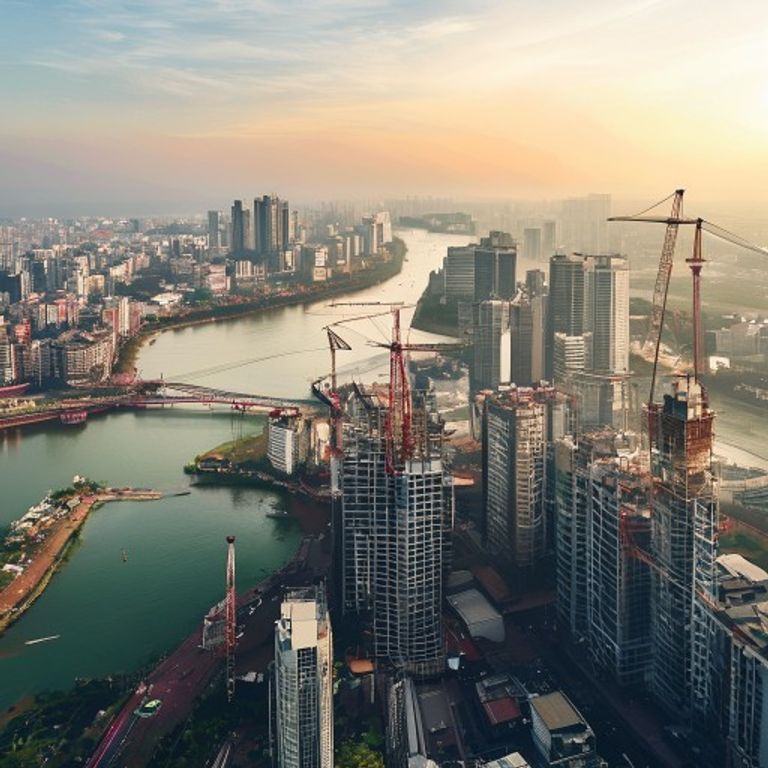
Hanoi’s Ambitious Urban Redevelopment: A Transformative Vision for Vietnam’s Capital
Hanoi, the ancient yet ever-evolving capital of Vietnam, is currently embarking on an ambitious Hanoi Urban Redevelopment plan, a multi-billion dollar endeavor poised to redefine its landscape, infrastructure, and socio-economic fabric for generations to come. This sweeping modernization project aims to propel the city into a new era of urban excellence, characterized by smart infrastructure, resilient communities, and enhanced quality of life. However, like any undertaking of such monumental scale, it navigates a complex terrain of innovation and challenge, balancing the promise of a modern future with the profound implications for its current residents and the city’s unique heritage.
Introduction: A City on the Cusp of Transformation
For centuries, Hanoi has served as Vietnam’s cultural and political heart, a city where ancient pagodas stand testament to a rich past amidst the hustle and bustle of a rapidly growing metropolis. Its charm lies in its intricate network of lakes, tree-lined boulevards, and the timeless character of its Old Quarter. Yet, as Vietnam has emerged as a dynamic economic force on the global stage, Hanoi has faced mounting pressures characteristic of burgeoning Asian megacities: congestion, pollution, inadequate infrastructure, and the looming threat of climate change, particularly its vulnerability to flooding. Recognizing these challenges, city authorities have unveiled a comprehensive urban redevelopment blueprint, a strategic vision designed not merely to renovate but to fundamentally reimagine Hanoi’s urban identity.
This ambitious overhaul is not just about building new structures; it represents a strategic pivot towards sustainable development, aiming to create new economic hubs, improve connectivity, and bolster the city’s resilience against environmental risks. The plan envisions the creation of entirely new districts, state-of-the-art transportation networks, and a significant riverfront revitalization project. While the potential benefits are immense – attracting foreign investment, fostering economic growth, and elevating Hanoi’s status as a global city – the scale of change inevitably brings forth critical questions regarding social equity, financial prudence, and environmental stewardship. The world watches keenly as Hanoi navigates this delicate balance, striving to preserve its soul while forging a path towards an ultra-modern future.
The Grand Vision: Crafting New Horizons for Hanoi
At the heart of Hanoi’s urban redevelopment lies a comprehensive strategy to decentralize and diversify the city’s growth. The current plan outlines a vision far beyond mere cosmetic upgrades, focusing instead on creating sustainable, integrated urban ecosystems. Billions of dollars are being channeled into this monumental effort, reflecting the government’s commitment to a long-term transformation.
Emergence of New Districts and Cutting-Edge Infrastructure
The redevelopment plan includes the establishment of several new urban districts on the outskirts of the existing core. These districts are conceived as self-sufficient hubs, designed to alleviate pressure on the congested city center and provide modern living and working environments. Early proposals indicate these areas will feature a mix of high-rise residential complexes, commercial centers, technology parks, and green spaces, all integrated with contemporary infrastructure. The aim is to attract a younger workforce and international businesses, fostering innovation and economic diversification away from traditional sectors.
Infrastructure development forms the backbone of this expansion. Beyond residential and commercial buildings, the plan encompasses a massive upgrade of utilities, including advanced waste management systems, improved water supply, and expanded energy grids. These foundational investments are crucial for supporting the projected population growth and ensuring the long-term sustainability of the new urban zones. Smart city technologies, such as intelligent traffic management systems and interconnected public services, are also slated for integration, promising a more efficient and responsive urban environment.
A Riverfront Reimagined: Tackling Flooding and Climate Risks
One of the most critical components of the redevelopment strategy is the ambitious riverfront project along the Red River. Historically, Hanoi has grappled with the severe challenges of flooding, exacerbated by rapid urbanization and the increasing impacts of climate change. The Red River, a vital artery of the city, has also presented both opportunities and threats.
The new riverfront initiative is multifaceted. It involves extensive embankment reinforcement and the construction of advanced flood barriers, designed to protect the city from seasonal deluges and rising water levels. Crucially, this project extends beyond mere flood defense; it envisions transforming the riverbanks into vibrant public spaces. Plans include linear parks, pedestrian walkways, cycling paths, and recreational areas, aiming to reconnect Hanoians with their natural environment. This dual approach not only mitigates climate risks but also enhances urban biodiversity and provides much-needed green infrastructure, contributing to the city’s overall liveability and aesthetic appeal. The integration of ecological principles into this project underscores a commitment to environmental resilience and sustainable urban planning.
Revolutionizing Connectivity: New Transport Links
Hanoi’s notorious traffic congestion is a major hurdle to its economic potential and quality of life. The urban redevelopment plan addresses this head-on with a substantial investment in modernizing and expanding the city’s transportation network. A key focus is the development of an integrated public transport system.
The blueprint includes the expansion of Hanoi’s nascent metro rail lines, creating new routes that will link the city center with the emerging satellite districts. This will significantly reduce travel times, encourage the use of public transport, and alleviate the burden on the existing road infrastructure. Alongside the metro, plans call for dedicated bus rapid transit (BRT) corridors, extensive road network upgrades, and the construction of new bridges across the Red River to improve connectivity between the east and west banks. The vision is to create a seamless, multimodal transportation system that is efficient, environmentally friendly, and accessible to all residents, fostering greater mobility and facilitating economic activity across the entire metropolitan area.
A Hub for Sports and Culture: The New Sports District
Further demonstrating the holistic nature of the redevelopment, the plan incorporates the creation of a large, state-of-the-art sports district. This facility is envisioned as a regional hub for athletic excellence and a venue for international sporting events. It will house modern stadiums, training centers, and recreational facilities, catering to a wide array of sports.
Beyond competitive sports, the district is intended to serve as a community asset, promoting public health and active lifestyles among Hanoians. It will provide opportunities for grassroots sports development, cultural events, and family recreation, thereby enriching the social fabric of the city. This investment underscores Hanoi’s ambition to not only be an economic powerhouse but also a vibrant center for culture, sports, and community engagement, enhancing its appeal on both national and international fronts.
Navigating the Challenges: Displacement and Financial Risks
While the vision for a modern Hanoi is compelling, the path to achieving it is fraught with significant challenges. Large-scale urban redevelopment inevitably involves complex trade-offs, particularly concerning social equity and financial sustainability.
The Human Cost: Resident Displacement and Social Impact
One of the most pressing concerns associated with Hanoi’s rapid redevelopment is the potential for resident displacement. As new districts are carved out and old areas revitalized, existing communities, many with deep historical and cultural roots, face the prospect of relocation. This process, if not managed with extreme sensitivity and transparency, can lead to significant social disruption, loss of community identity, and economic hardship for affected families and businesses. Critics and human rights organizations often highlight the importance of fair compensation, adequate resettlement options, and inclusive planning processes that genuinely involve affected residents in decision-making.
Preserving the unique cultural heritage of Hanoi, especially in its ancient quarters, presents another delicate balancing act. Modernization efforts must strive to integrate new developments harmoniously with the city’s historical character, rather than erasing it. Dialogue between authorities, residents, urban planners, and heritage experts is crucial to mitigate these impacts and ensure that Hanoi’s future respects its past.
Financial Risks and Sustainable Funding Models
The “billions” being invested underscore the enormous financial commitment required for such an extensive urban overhaul. While the potential economic returns are high, so too are the financial risks. Large infrastructure projects are often susceptible to cost overruns, delays, and unforeseen economic fluctuations. Securing sustainable funding models is paramount to the project’s success. This typically involves a mix of government budgets, international loans, and significant private sector investment through public-private partnerships (PPPs).
The reliance on foreign direct investment and loans, while providing necessary capital, also raises questions about long-term debt burdens and financial autonomy. Transparency in financial dealings, robust project management, and rigorous cost-benefit analyses are essential to ensure the project remains economically viable and does not saddle future generations with unsustainable debt. Furthermore, the equitable distribution of the economic benefits generated by the redevelopment is crucial for widespread public support and long-term stability.
Conclusion: A Future Forged with Vision and Caution
Hanoi’s ambitious urban redevelopment plan represents a bold declaration of its intent to emerge as a leading city in Southeast Asia and beyond. The vision of new, modern districts, a climate-resilient riverfront, interconnected transport systems, and a vibrant sports hub paints a compelling picture of a future-ready capital. This transformation promises to unlock new economic opportunities, enhance liveability, and address critical environmental challenges, solidifying Hanoi’s place as a global metropolis.
However, the journey will not be without its trials. The critical concerns surrounding resident displacement, the preservation of cultural heritage, and the management of immense financial risks demand careful consideration and proactive, ethical governance. The success of this grand undertaking will ultimately hinge on the authorities’ ability to navigate these complexities with foresight, empathy, and a steadfast commitment to inclusive and sustainable development. As the bulldozers move and new skylines emerge, the world will watch to see if Hanoi can successfully modernize its urban fabric while retaining the unique spirit and resilience that have defined it for centuries. The transformative vision is clear; the execution will determine its legacy.