
 By NewsMatrix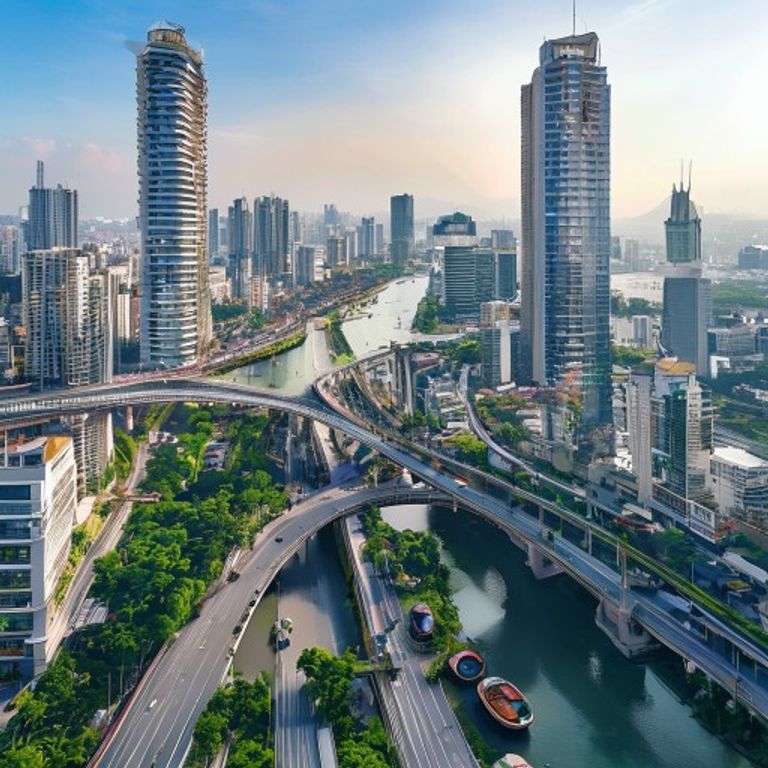
Hanoi Embarks on Ambitious Urban Redevelopment: A Glimpse into its Modern Future
Hanoi, the ancient capital of Vietnam, is on the cusp of an unprecedented transformation, driven by a multi-billion dollar urban redevelopment plan designed to catapult the city into a new era of modernization. This ambitious undertaking, dubbed the Hanoi Urban Redevelopment initiative, envisions a future where the bustling metropolis stands as a beacon of sustainable development, economic prowess, and enhanced livability. With substantial government and private investment, the city is set to witness the emergence of entirely new districts, sophisticated infrastructure, and innovative solutions to pressing environmental challenges. However, as with any project of this magnitude, the sweeping changes also bring forth significant concerns regarding resident displacement and the inherent financial risks.
A Vision for a Modern Metropolis: Redefining Hanoi’s Skyline and Lifestyle
The core of Hanoi’s modernization strategy revolves around a comprehensive overhaul of its urban fabric. Authorities are channeling colossal investments into creating several new urban areas that are meticulously planned to alleviate pressure on the existing historical core while fostering integrated, smart communities. These new districts are not merely extensions of the city but are conceived as self-sufficient hubs equipped with modern amenities, green spaces, and state-of-the-art facilities. The aim is to decentralize the city’s growth, encouraging a more balanced distribution of population and economic activity.
The vision extends beyond aesthetics, focusing on functionality and future-proofing. Planners are integrating smart city technologies from the ground up, including intelligent traffic management systems, advanced waste management, and energy-efficient building designs. This forward-thinking approach seeks to enhance the quality of life for residents, providing them with access to better housing, education, healthcare, and recreational opportunities. The development is a testament to Vietnam’s commitment to sustained economic growth, aiming to attract further foreign investment and position Hanoi as a leading regional economic powerhouse. The emphasis on high-quality urban design and infrastructure is expected to create a more attractive environment for both businesses and skilled professionals, bolstering the city’s competitive edge on the global stage.
One of the most significant aspects of this redevelopment is the planned expansion of commercial and residential zones. These zones are designed to accommodate Hanoi’s rapidly growing population, which is projected to reach over 9 million by 2030. The new districts will feature a mix of high-rise residential buildings, commercial complexes, retail centers, and public parks, all interconnected by efficient transportation networks. This integrated approach aims to create vibrant, walkable communities that reduce reliance on private vehicles and promote a healthier, more active lifestyle. Furthermore, specific zones are earmarked for technological parks and innovation hubs, fostering a dynamic ecosystem for startups and research institutions, aligning with Vietnam’s broader national strategy to embrace the Fourth Industrial Revolution.
Building the Backbone: Infrastructure, Connectivity, and Sporting Excellence
At the heart of any successful urban transformation lies robust infrastructure, and Hanoi’s plan is no exception. Billions are being allocated to dramatically improve and expand the city’s transportation network. This includes the development of new metro lines, which are critical for alleviating chronic traffic congestion and providing efficient public transit options for millions of commuters. Alongside the metro expansion, significant upgrades are planned for the existing road network, including new highways, bypasses, and intelligent traffic management systems aimed at optimizing flow and reducing travel times. These infrastructure improvements are not just about mobility; they are about connecting communities, facilitating economic activity, and ensuring that goods and services can move freely across the sprawling city.
Beyond daily commuting, the redevelopment also features a major sports district, a testament to Hanoi’s aspirations to host international sporting events and cultivate a healthier, more active populace. This dedicated district is envisioned to house state-of-the-art stadiums, arenas, training facilities, and recreational spaces. It will serve as a central hub for various sports, from football and athletics to swimming and indoor games, catering to both professional athletes and amateur enthusiasts. The sports district is expected to become a vibrant center for community engagement, offering opportunities for residents of all ages to participate in sports and physical activities. This investment not only aims to elevate Hanoi’s profile as a sporting destination but also aligns with public health objectives, promoting well-being and a balanced lifestyle among its citizens.
The new transport links are meticulously designed to integrate with the new urban districts and existing city centers, ensuring seamless connectivity. For instance, the expansion of the rapid bus transit (BRT) system and the introduction of advanced electric vehicle charging infrastructure are part of a broader strategy to promote sustainable urban mobility. The government is also investing in smart ticketing systems and real-time public transport information to enhance user experience. These initiatives are crucial for supporting the projected population growth and ensuring that Hanoi remains an accessible and efficient city for residents, tourists, and businesses alike. The infrastructure push is a clear signal of Hanoi’s intent to become a smart, interconnected global city.
Taming the Red River: A Resilient Future Amidst Climate Change
One of the most critical components of the Hanoi Urban Redevelopment plan is the comprehensive riverfront project, specifically targeting the Red River. This initiative is not merely about aesthetic enhancement; it is a vital strategic response to the growing threats of flooding and climate change. Hanoi, like many low-lying urban centers in Southeast Asia, is increasingly vulnerable to extreme weather events, including heavy rainfall and rising sea levels, which exacerbate flood risks. The riverfront project aims to mitigate these dangers through a multi-faceted approach.
Key elements of this ambitious project include the construction of advanced flood barriers, improved drainage systems, and the restoration of natural floodplains. Embankments will be reinforced, and new pumping stations will be installed to manage water levels more effectively during peak rainy seasons. Beyond flood control, the project also focuses on ecological restoration and the creation of vibrant public spaces along the riverbanks. Green corridors, pedestrian walkways, and cycling paths are planned to transform the riverfront into a recreational haven for residents, simultaneously enhancing biodiversity and improving air quality. This integrated approach reflects a commitment to creating a ‘green city’ that prioritizes environmental sustainability alongside economic growth.
The redevelopment of the riverfront is expected to have a profound impact on the city’s resilience. By strategically managing the Red River’s flow and integrating green infrastructure, Hanoi aims to safeguard its citizens and infrastructure from future climate-related adversities. This initiative also represents a shift towards a more holistic urban planning philosophy, where environmental considerations are deeply embedded in every stage of development. Furthermore, the revitalized riverfront is anticipated to become a major tourist attraction, offering scenic views and recreational opportunities, thereby contributing to the city’s economy and cultural appeal. It embodies a proactive stance against global climate challenges, showcasing how strategic urban planning can effectively adapt to and mitigate environmental risks while creating tangible benefits for the urban population.
The Social and Economic Fabric: Balancing Progress and Preservation
While the vision for a modern Hanoi is compelling, the rapid pace and sheer scale of the redevelopment inevitably raise significant concerns, particularly regarding resident displacement and the financial implications. The creation of new districts and infrastructure often necessitates the acquisition of land, which can lead to the relocation of existing communities, many of whom have lived in these areas for generations. Critics and community advocates highlight the importance of fair compensation, adequate resettlement programs, and the preservation of cultural heritage and community ties that can be disrupted by such large-scale projects.
The socio-economic impact on affected residents is a crucial consideration. While authorities typically provide compensation, the challenge lies in ensuring that new housing and opportunities truly match or improve upon the previous living standards and livelihoods of those displaced. There are also concerns about the loss of unique urban identities and the homogenization of neighborhoods as traditional structures give way to modern high-rises. Preserving the intangible cultural heritage and historical narratives embedded within the city’s older quarters while modernizing is a delicate balancing act that Hanoi’s planners must navigate with extreme care.
From a financial perspective, the billions of dollars invested represent a massive undertaking, and with it come inherent risks. Large-scale urban projects are frequently susceptible to cost overruns, delays, and unexpected challenges. Ensuring transparency in financial dealings, rigorous project management, and prudent fiscal policies are paramount to prevent the burden of debt from outweighing the long-term benefits. Analysts are closely watching how Hanoi plans to fund these colossal ventures, often a mix of state budget, domestic and international loans, and public-private partnerships. The long-term economic sustainability of these new developments, including their ability to generate sufficient revenue and attract ongoing investment, will be critical to their ultimate success.
Moreover, the environmental impact beyond flood control also warrants scrutiny. While green spaces and sustainable designs are emphasized, the construction phase itself can lead to increased pollution and resource consumption. Ensuring that the redevelopment adheres to stringent environmental standards throughout its lifecycle, from construction to operation, is vital for achieving truly sustainable growth. The balance between rapid development and environmental stewardship, as well as social equity, will define the true legacy of this ambitious `Hanoi Urban Redevelopment`.
Conclusion: Hanoi’s Path to a Resilient and Prosperous Future
Hanoi’s ambitious urban redevelopment plan stands as a testament to Vietnam’s broader national aspirations for modernization and sustained economic growth. The billions invested are set to reshape the capital, ushering in new districts, cutting-edge infrastructure, and a resilient riverfront designed to combat the realities of climate change. From a world-class sports district to an expanded public transport network, the vision painted is one of a dynamic, interconnected, and environmentally conscious metropolis. This transformative journey aims to elevate Hanoi’s status on the global stage, attracting talent, investment, and tourism, while significantly improving the quality of life for its residents.
However, the path to this modern future is not without its complexities. The success of the `Hanoi Urban Redevelopment` will ultimately hinge on the city’s ability to meticulously manage the social and financial challenges that accompany such large-scale change. Thoughtful approaches to resident displacement, robust financial oversight, and a steadfast commitment to preserving the city’s unique cultural identity will be crucial. If these challenges are effectively addressed, Hanoi’s grand vision could indeed serve as a powerful model for urban development in the 21st century, creating a resilient, prosperous, and equitable future for all its citizens.