
 By NewsMatrix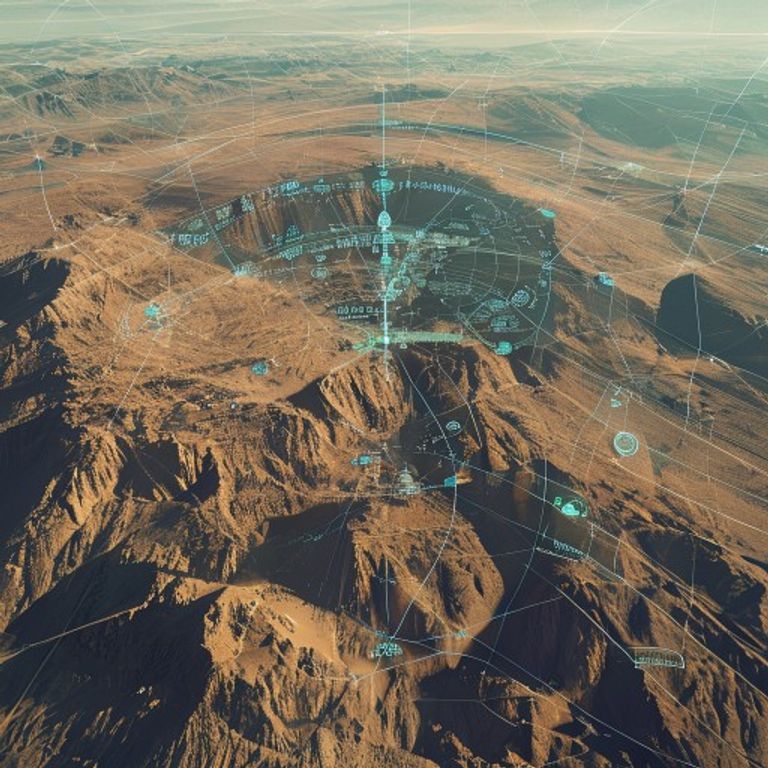
Escalating US Iran Tensions: Trump Considers Strike on Heavily Fortified Pickaxe Mountain
President Donald Trump has indicated a significant shift in US policy concerning Iran, suggesting that American forces might soon launch a strike against Iran’s heavily fortified Pickaxe Mountain site. The President affirmed that the United States maintains close surveillance over this strategic location through advanced monitoring technologies. This development unfolds amidst a backdrop of escalating US Iran Tensions, marked by recent US military actions described as retaliatory strikes for alleged Iranian targeting of commercial vessels, and the re-establishment of a naval blockade by the US Navy in the crucial Strait of Hormuz. Furthermore, officials report that Iran’s nuclear program is facing significant challenges, adding another layer of complexity to an already volatile geopolitical landscape.
The prospect of a direct military engagement at a site like Pickaxe Mountain signals a potential new phase in the longstanding rivalry between Washington and Tehran. The implications of such an action are far-reaching, with consequences that could resonate across the Middle East and impact global energy markets, international shipping, and diplomatic efforts to de-escalate tensions. As the world watches, the situation demands a comprehensive understanding of the factors at play, the history leading to this moment, and the potential paths forward.
The Shadow of Pickaxe Mountain: A Potential Flashpoint
President Trump’s explicit mention of the Pickaxe Mountain site has brought a previously obscure, yet reportedly crucial, Iranian location into the international spotlight. Described as “heavily fortified,” the facility is under constant and rigorous US surveillance, utilizing advanced intelligence-gathering capabilities. While specific details about the nature and purpose of Pickaxe Mountain remain largely undisclosed to the public, the emphasis on its fortification suggests it holds significant strategic value for Iran, potentially housing critical military infrastructure, command and control centers, or elements related to its defense and research programs.
The US assertion of continuous, advanced surveillance underscores a sophisticated intelligence operation aimed at understanding Iranian activities and capabilities. This level of monitoring allows Washington to track developments closely, providing real-time data that could inform policy decisions, including potential military responses. The very act of publicizing this surveillance, coupled with a warning of potential strikes, serves as a strong signal to Tehran regarding the extent of US intelligence reach and its readiness to act on gathered information. The precision and technological prowess implied by “advanced surveillance” suggest capabilities that extend beyond traditional observation, potentially involving cyber intelligence, signal intelligence, and high-resolution satellite imagery, all contributing to a comprehensive picture of the site’s operations.
The consideration of a strike on such a location marks a significant escalation from previous US responses, which have often focused on naval or proxy-related targets. Attacking a heavily fortified site deep within Iranian territory would represent a direct challenge to Iran’s sovereignty and defensive posture, carrying with it substantial risks of prolonged conflict and regional destabilization. The international community is keenly aware of the historical precedents of such actions and the unpredictable chain of events they can unleash, emphasizing the need for extreme caution and diplomatic engagement before any military option is pursued.
Retaliation and Naval Maneuvers: A Cycle of Escalation
The discussion surrounding a potential strike on Pickaxe Mountain is not isolated; it is presented by the US administration as part of a broader strategy of retaliation. Recent American military actions, though not specified in detail, have been framed as responses to Iran’s alleged targeting of commercial vessels in vital maritime arteries. These incidents, often involving unmanned aerial vehicles (UAVs), limpet mines, or other forms of harassment, have been a recurring flashpoint in the Gulf region, particularly around the Strait of Hormuz. Such actions disrupt global trade, particularly oil shipments, and pose significant risks to international shipping, prompting robust responses from the United States and its allies who are committed to ensuring freedom of navigation.
Further compounding the maritime tensions, the US Navy has reinstated a naval blockade in the Strait of Hormuz. This strait, a narrow choke point between the Persian Gulf and the Arabian Sea, is arguably the world’s most important oil transit checkpoint. More than one-fifth of global oil consumption passes through this waterway, making any disruption a matter of international economic and security concern. A naval blockade, while a powerful tool of economic and military pressure, also carries inherent risks, including the potential for direct confrontation between naval forces. The re-establishment of such a measure signals a heightened level of commitment from the US to enforce its will in the region and to deter further Iranian aggression against shipping.
The history of tensions in the Strait of Hormuz is long and complex, with past incidents involving both Iranian and Western naval forces. The current blockade serves as a tangible demonstration of US resolve, but it also increases the likelihood of accidental or intentional clashes. International shipping companies and energy markets are particularly sensitive to these developments, with increased insurance premiums, diverted routes, and fluctuating oil prices often being immediate consequences. The economic implications alone can be substantial, affecting consumers and industries worldwide. The cycle of accusation, retaliation, and counter-measures underscores a dangerous dynamic where miscalculation could rapidly lead to a wider conflict.
Iran’s Nuclear Trajectory: Under Scrutiny
Adding another critical dimension to the current crisis, officials have indicated that Iran’s nuclear situation is “not progressing well.” This assessment, while lacking specific details, suggests that Tehran may be encountering significant obstacles in advancing its nuclear program, possibly due to international sanctions, technical challenges, or intensified surveillance efforts. This development could be interpreted in various ways: as a sign that international pressure is having its intended effect, or conversely, as a potential indicator of Iran facing internal difficulties that could lead to unpredictable decisions regarding its nuclear ambitions.
The history of Iran’s nuclear program is central to understanding the current geopolitical climate. The 2015 Joint Comprehensive Plan of Action (JCPOA), often referred to as the Iran nuclear deal, was designed to limit Iran’s nuclear activities in exchange for sanctions relief. However, the US withdrawal from the deal in 2018 under the Trump administration and the subsequent re-imposition of stringent sanctions significantly altered the landscape. Since then, Iran has progressively rolled back some of its commitments under the JCPOA, increasing its uranium enrichment levels and stockpiles, prompting concerns from the International Atomic Energy Agency (IAEA) and global powers.
The “not progressing well” statement might refer to the broader impact of sanctions, which have severely hampered Iran’s economy, limiting its access to foreign currency, technology, and expertise essential for complex projects, including nuclear development. It could also imply internal technical setbacks or a heightened level of international monitoring that makes covert progress more difficult. Regardless of the precise reasons, the perception of a struggling nuclear program could influence both US and international diplomatic strategies, potentially opening avenues for renewed negotiations or, conversely, reinforcing a hardline stance if perceived as a sign of weakness.
Geopolitical Ripple Effects and International Response
The potential for a US strike on Pickaxe Mountain, coupled with the ongoing naval blockade and revelations about Iran’s nuclear program, creates a highly volatile situation with profound geopolitical ripple effects. A military action against a fortified Iranian site could spark immediate retaliation from Tehran, potentially targeting US assets, regional allies, or international shipping. Such a tit-for-tat escalation could rapidly spiral into a broader regional conflict, drawing in other actors and destabilizing an already fragile Middle East.
The immediate economic impact would likely be felt in global energy markets. Any significant disruption in the Strait of Hormuz or damage to oil infrastructure could send oil prices soaring, impacting economies worldwide. International maritime insurance rates would undoubtedly increase, and shipping companies might choose to re-route vessels, leading to delays and higher costs for goods and commodities.
Diplomatically, a US strike would likely elicit a mixed international response. While some allies might quietly support a move to curb Iran’s perceived aggression, others, particularly European nations that advocate for a diplomatic solution to the nuclear issue, would likely condemn unilateral military action. Russia and China, often critical of US military interventions, would almost certainly voice strong opposition, further complicating efforts to forge a unified international approach to Iran. The United Nations Security Council would likely become a central forum for intense debate and potential resolutions, although consensus on such a contentious issue is often elusive.
Humanitarian concerns would also be paramount. Any military conflict carries the risk of civilian casualties, displacement, and the exacerbation of existing humanitarian crises in the region. International aid organizations and human rights groups would undoubtedly raise alarms, adding another layer of pressure on all parties involved to prioritize de-escalation and the protection of non-combatants.
The Path Forward: De-escalation or Further Confrontation?
The current confluence of events—President Trump’s warning about Pickaxe Mountain, the retaliatory strikes, the Strait of Hormuz blockade, and the reported difficulties in Iran’s nuclear program—places the US and Iran on a knife’s edge. The fundamental question now is whether the international community can find a path towards de-escalation, or if the current trajectory will inevitably lead to further confrontation. The stakes are extraordinarily high, not only for the two principal adversaries but for global peace and economic stability.
One potential avenue for de-escalation involves renewed diplomatic efforts. Despite the heightened rhetoric, back channels and third-party mediation could still play a crucial role in preventing direct conflict. European powers, along with other nations like Oman or Qatar, have historically attempted to bridge the divide between Washington and Tehran. A structured dialogue, even if indirect, could explore ways to address mutual security concerns, revive elements of the nuclear deal, or at least establish clear red lines to prevent miscalculation.
However, the trust deficit between the US and Iran is profound, making diplomatic breakthroughs challenging. Both sides operate from positions of deep suspicion and ingrained historical grievances. Iran views US sanctions and military posturing as acts of aggression aimed at regime change, while the US views Iran’s regional activities and nuclear ambitions as threats to its interests and international security. Bridging this gap requires significant political will and a willingness from both sides to make concessions.
The alternative—a continuation or escalation of the current confrontational approach—carries immense risks. A military strike, even a limited one, could trigger a cycle of retaliation that is difficult to control. The Middle East has a history of regional conflicts that have spiraled beyond initial intentions, and the current environment is ripe for such an outcome. The focus now must be on prudent decision-making, clear communication, and a collective international effort to steer away from the precipice of war and towards a more stable resolution of the ongoing US Iran Tensions.
Conclusion
The declarations from President Trump regarding potential military action against Iran’s Pickaxe Mountain site signify a grave moment in the protracted geopolitical struggle between the United States and Iran. Coupled with recent retaliatory strikes, the reinstatement of a crucial naval blockade, and reports of a struggling nuclear program, the stage is set for an unpredictable future. The implications of a direct military engagement are profound, threatening to destabilize the Middle East, disrupt global energy supplies, and challenge the very fabric of international diplomacy.
As US Iran Tensions reach a fever pitch, the world watches with bated breath. The path forward remains uncertain, poised between the fraught potential of military confrontation and the arduous, yet imperative, pursuit of diplomatic resolution. The international community, acutely aware of the historical lessons of conflict in the region, must engage actively to advocate for restraint, de-escalation, and a return to constructive dialogue, ensuring that the current crisis does not spiral into a devastating regional war with global repercussions.