
 By NewsMatrix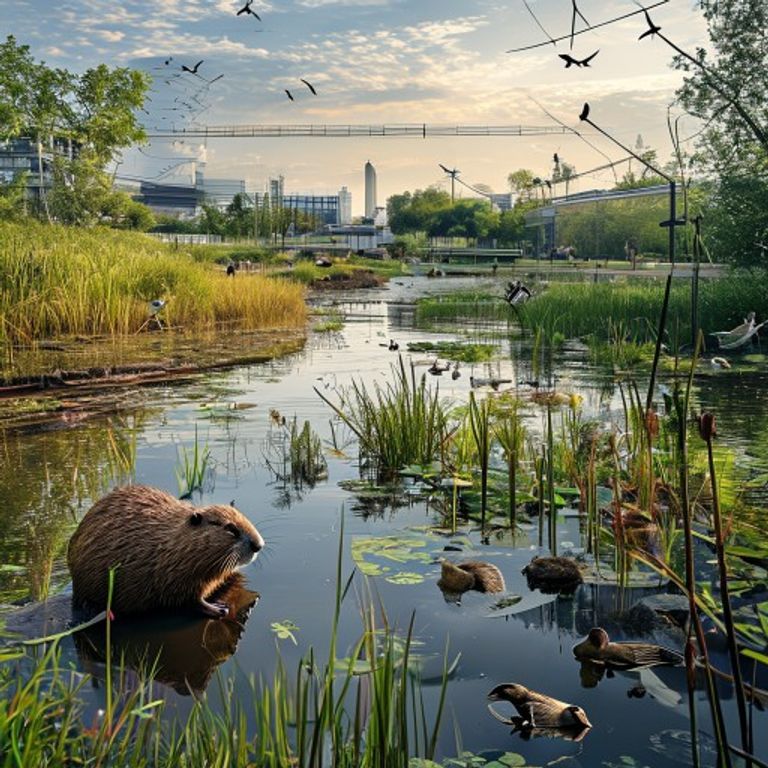
Ealing Beavers: Nature’s Engineers Deliver Sustainable Flood Protection and Ecological Revival in London
In an era defined by accelerating climate change and its palpable effects, urban centers worldwide grapple with the escalating threat of extreme weather events, most notably intense rainfall and subsequent flooding. London, a sprawling metropolis bisected by the Thames and crisscrossed by numerous smaller waterways, is particularly vulnerable. However, a remarkable and surprisingly ancient solution has emerged from within the city’s western reaches, offering a beacon of hope and a testament to the power of nature-based interventions. The borough of Ealing has witnessed the successful reintroduction of beavers, who are not merely surviving but thriving, actively tackling pervasive flooding issues head-on. By creating intricate wetlands and sophisticated dam systems, these industrious animals have managed to retain excess rainwater during intense storms, proving themselves to be invaluable allies in urban resilience. Remarkably, the area surrounding Greenford station, historically prone to inundation, has remained safeguarded from flooding for an impressive three consecutive years, directly attributable to the diligent efforts of the Ealing beavers. Beyond their hydrological prowess, this pioneering initiative has dramatically revitalized local ecosystems, drawing in a diverse array of wildlife and exemplifying how natural interventions can solve pressing environmental problems with elegance and efficiency.
The Growing Threat of Urban Flooding and London’s Vulnerability
Urban environments, characterized by vast expanses of impervious surfaces such as concrete, asphalt, and rooftops, inherently exacerbate flooding risks. When torrential rain falls, it struggles to permeate the ground, leading to rapid surface runoff that overwhelms conventional drainage systems. Climate change projections indicate an increase in the frequency and intensity of such rainfall events, placing immense pressure on existing infrastructure designed for a bygone climatic era. London, with its dense population, extensive development, and a complex network of underground rivers and culverted streams, faces significant challenges. Flash floods can disrupt transport, damage property, endanger lives, and incur substantial economic costs. Traditional engineering solutions, often involving large-scale concrete defenses and pumped drainage, are not only expensive but can also be ecologically destructive, failing to address the root causes of ecosystem degradation. The need for innovative, sustainable, and ecologically harmonious approaches has never been more urgent, prompting a critical re-evaluation of how cities coexist with and leverage natural processes.
Beavers: Master Architects and Hydrologists of Wetlands
Often referred to as “nature’s engineers” or “ecosystem engineers,” beavers (Castor fiber) are semi-aquatic rodents renowned for their unparalleled ability to modify their habitats. Their primary tools are their strong teeth and paws, which they use to fell trees and branches, construct dams, and excavate extensive canal systems. These activities are not random; they are driven by an instinct to create deep-water refuges to protect themselves from predators and access food sources, particularly during winter. The resulting structures, beaver dams, are not merely obstacles; they are intricate hydrological management systems. By impounding water, beavers slow down its flow, spread it across floodplains, and create a mosaic of ponds, channels, and saturated soils—true wetlands. These newly formed wetlands act as natural sponges, absorbing vast quantities of water during peak rainfall events and releasing it slowly over time. This process significantly reduces downstream flood peaks, mitigates soil erosion, and enhances groundwater recharge. Furthermore, beaver activity filters pollutants, improves water quality, and creates diverse habitats vital for a wide range of flora and fauna, transforming previously degraded landscapes into vibrant, biodiverse havens.
Ealing’s Pioneering Rewilding Initiative: A Bold Step for Urban Nature
The decision to reintroduce beavers to Ealing was a bold and forward-thinking move, part of a broader conservation strategy to embrace nature-based solutions for urban challenges. Initiated by local environmental groups in collaboration with the Ealing Council and ecological experts, the project aimed to address persistent flooding issues in specific areas while simultaneously enriching the borough’s biodiversity. The chosen site, a carefully selected tract of land with suitable watercourses and vegetation, was prepared to offer the beavers a safe and productive environment. Prior to their arrival, extensive feasibility studies were conducted, community consultations held, and public awareness campaigns launched to educate residents about the ecological role of beavers and dispel common misconceptions. The initial goals were clear: to observe the beavers’ impact on water flow, monitor their dam-building activities, and assess the ecological changes within their designated enclosure. The reintroduction was not just about flood mitigation; it was a commitment to rewilding, allowing natural processes to take the lead in ecosystem restoration.
Three Years of Unprecedented Flood Protection for Greenford
The most compelling evidence of the project’s success lies in the sustained protection offered to the area surrounding Greenford station. For three consecutive years, this previously flood-prone locale has remained safeguarded despite encountering several intense rainfall events that would historically have caused significant disruption. The beavers’ diligent work in constructing and maintaining their wetland systems has been instrumental. Their dams create a series of interconnected ponds and saturated areas upstream, effectively detaining storm runoff. Instead of a rapid surge of water overwhelming drains and bursting riverbanks, the water is held back, allowed to spread out, and slowly infiltrate the ground or evaporate. This natural attenuation process acts as a buffer, smoothing out flood peaks and significantly reducing the volume of water flowing downstream at any given moment. Local residents and businesses near Greenford have expressed immense relief, experiencing firsthand the tangible benefits of these small mammals. The stability provided by the beavers’ efforts underscores the efficiency and resilience of nature-based solutions when given the opportunity to flourish.
A Flourishing Ecosystem: Biodiversity Returns to Ealing
Beyond flood alleviation, the presence of the Ealing beavers has triggered an extraordinary ecological renaissance. The newly created and expanded wetlands have become magnets for biodiversity, transforming formerly monotonous watercourses into dynamic and species-rich habitats. Birdwatchers have reported sightings of kingfishers darting along the water, herons patiently fishing, and various duck species making the ponds their home. The stagnant water and diverse plant life provide ideal breeding grounds for invertebrates like dragonflies and damselflies, which in turn support insectivorous birds and bats. Amphibians such as frogs and newts now thrive in the calm, shallow waters, and their presence indicates a healthy aquatic food web. Even fish populations have seen a boost, benefiting from improved water quality and more complex habitats. The filtering action of the wetlands also removes sediment and pollutants, leading to clearer, cleaner water. This rich tapestry of life is a powerful testament to how a keystone species like the beaver can rapidly and dramatically enhance an ecosystem’s health and resilience, demonstrating that urban green spaces can become vibrant natural sanctuaries.
Economic and Environmental Dividends: A Sustainable Investment
The Ealing beaver project offers compelling arguments for the broader adoption of nature-based solutions beyond its immediate ecological impact. Economically, the cost of reintroducing and managing beavers pales in comparison to the substantial investment required for traditional “grey infrastructure” flood defenses, such as concrete walls, levees, and large-scale pumping stations. Furthermore, grey infrastructure often requires ongoing maintenance and eventually needs costly replacement, while beaver-engineered wetlands are largely self-sustaining, requiring minimal human intervention once established. The environmental dividends extend beyond flood control and biodiversity. Healthy wetlands sequester carbon, contributing to climate change mitigation efforts. They improve water quality, potentially reducing the need for costly water treatment processes downstream. They also offer significant amenity value, creating beautiful natural spaces for residents to enjoy, fostering a deeper connection with nature, and promoting mental well-being. Ealing’s experience thus serves as a powerful economic model, illustrating that investing in natural capital can yield multiple, synergistic benefits.
Challenges, Public Perception, and Community Integration
While overwhelmingly successful, the Ealing beaver project, like any pioneering conservation effort, has navigated its share of challenges. Managing public perception and ensuring community acceptance were paramount. Initial concerns often centered around potential damage to trees, impacts on existing drainage, or fears about wildlife living in close proximity to human habitation. Proactive public engagement, educational initiatives, and transparent communication have been vital in addressing these anxieties. Local volunteers and conservation groups have played a crucial role in monitoring the beavers, documenting their activities, and educating visitors. Ensuring the beavers remain within their designated enclosure and managing any potential conflicts with infrastructure or agriculture required careful planning and adaptive management strategies. However, the tangible benefits and the visible transformation of the landscape have largely swayed public opinion, turning initial skepticism into widespread enthusiasm and pride in their local nature pioneers. The project demonstrates the importance of integrating ecological science with community involvement for long-term success.
Ealing: A Global Model for Nature-Based Solutions
The success story unfolding in Ealing reverberates far beyond the confines of West London. It provides a compelling, real-world case study for urban planners, environmental managers, and policymakers globally who are seeking sustainable and cost-effective solutions to pressing environmental challenges. As cities worldwide face similar pressures from climate change, habitat loss, and increasing flood risks, the Ealing model offers a practical blueprint for integrating natural processes into urban resilience strategies. Similar beaver reintroduction projects are gaining traction across Europe and North America, with increasing recognition of their capacity to restore degraded river systems, enhance water security, and boost biodiversity. Ealing demonstrates that even in densely populated urban landscapes, there is immense potential for rewilding and for harnessing the innate capabilities of keystone species to create healthier, more resilient, and more beautiful environments for both humans and wildlife.
Conclusion: Harnessing Nature’s Wisdom for a Resilient Future
The journey of the beavers in Ealing, from a hopeful reintroduction to a resounding success story, offers profound lessons for environmental stewardship in the 21st century. It underscores the undeniable truth that nature, when given the chance, possesses an extraordinary capacity to heal, adapt, and provide solutions that are often superior to human-engineered alternatives. The industrious Ealing beavers have not only safeguarded a significant portion of the borough from the ravages of flooding but have also sparked a vibrant ecological revival, reminding us of the intricate interconnectedness of all living systems. Their dams and wetlands stand as living monuments to an innovative approach to urban planning – one that prioritizes ecological health, fosters biodiversity, and embraces the wisdom of natural processes. As cities around the globe confront an uncertain future, Ealing serves as a powerful exemplar: a community that dared to trust in nature, and in doing so, forged a more resilient, sustainable, and biodiverse future for itself and generations to come. This initiative provides a vital narrative of hope and proactive engagement, illustrating how local action, guided by ecological understanding, can yield global impact in the face of environmental adversity.