
 By NewsMatrix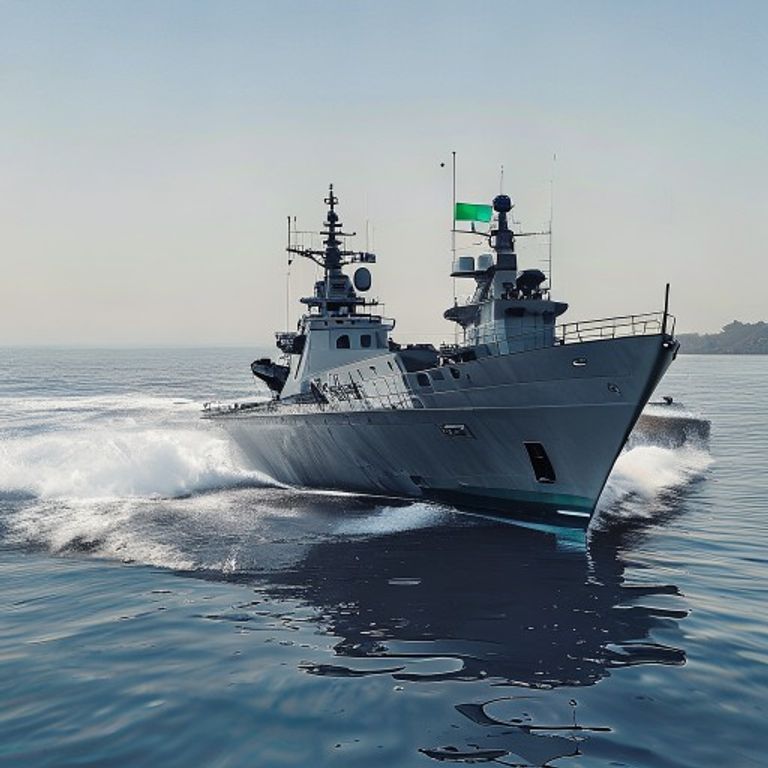
Indian Navy Commissions INS Malvan: A Strategic Leap in Coastal Defence
In a pivotal move to fortify its maritime security, the Indian Navy has officially commissioned the Anti-Submarine Warfare (ASW) Shallow Water Craft (SWC) INS Malvan. This significant induction marks a crucial enhancement of India’s naval prowess, particularly in safeguarding its extensive coastline and shallow water regions. The Indian Navy Malvan Commissioning represents the second of eight indigenously built Mahe-class vessels, underscoring India’s growing self-reliance in defence manufacturing and its unwavering commitment to national security. The commissioning comes at a time when strategic maritime dynamics in the Indian Ocean Region are intensifying, with notable increases in submarine activity from neighbouring nations.
The ceremony, steeped in naval tradition, not only welcomed a new vessel into the fleet but also reaffirmed India’s resolve to counter evolving underwater threats. This strategic addition is part of a broader ambitious plan by the Indian Navy to induct eighteen new vessels this year, encompassing a diverse range of specialized ships designed to meet contemporary and future security challenges. The focus on shallow water crafts like the INS Malvan highlights a tailored approach to defending critical near-shore assets and sea lines of communication against stealthy sub-surface adversaries.
The Formidable INS Malvan: Engineered for Shallow Water Dominance
The INS Malvan, named after the historic port town in Maharashtra, is a testament to advanced naval engineering and strategic foresight. As a Mahe-class ASW SWC, its primary mission is to detect, track, and neutralize hostile submarines operating in shallow coastal waters. These areas, often complex due to varying depths, seabed conditions, and acoustic challenges, require specialized vessels equipped with sophisticated sensors and weaponry. The Malvan is designed precisely for these demanding environments, offering unparalleled capabilities in anti-submarine warfare.
Built domestically, the Mahe-class vessels are compact yet powerful, featuring state-of-the-art sonar systems capable of long-range detection, advanced communication suites, and potent anti-submarine armaments, including lightweight torpedoes and ASW rockets. Their shallow draught allows them to operate effectively close to the coast, providing a vital layer of defence that larger, deep-water vessels cannot offer. The vessel’s stealth features, including a reduced radar cross-section and acoustic signature, enhance its survivability and operational effectiveness, allowing it to approach and engage threats with greater impunity.
The successful construction and commissioning of the INS Malvan underscore the capabilities of India’s shipyards and the expertise of its naval architects and engineers. It reflects a concerted effort to foster an indigenous defence ecosystem, reducing reliance on foreign imports and stimulating economic growth through domestic manufacturing. Each vessel built within the country translates into job creation, skill development, and a boost to associated industries, reinforcing the ‘Atmanirbhar Bharat’ (Self-Reliant India) initiative.
India’s Broader Naval Expansion and Indigenous Defence Push
The induction of INS Malvan is not an isolated event but a critical component of the Indian Navy’s comprehensive modernization and expansion strategy. The target of commissioning eighteen vessels within this year alone signifies a rapid pace of growth and a clear strategic direction. This fleet augmentation includes not only ASW SWCs but also other specialized platforms such as survey vessels, patrol boats, and potentially larger surface combatants, all contributing to a multi-faceted maritime defence posture.
India’s commitment to indigenization in defence has gained significant momentum in recent years. From design conceptualization to final production, a substantial portion of the new inductions are being built in Indian shipyards. This ‘Make in India’ thrust in defence is transforming the country into a significant defence manufacturing hub, capable of producing world-class naval assets. This approach not only ensures strategic autonomy but also positions India as a potential exporter of defence technology in the future.
- Strategic Autonomy: Reduces dependence on foreign suppliers for critical defence equipment.
- Economic Growth: Boosts domestic industries, creates employment, and fosters innovation.
- Technological Advancement: Drives research and development in naval architecture, marine engineering, and weapon systems.
- Enhanced Security: Tailored solutions for India’s unique geographical and geopolitical challenges.
Navigating Regional Geopolitics: The Imperative for Robust ASW
The commissioning of vessels like the INS Malvan takes on heightened significance amidst the evolving geopolitical landscape of the Indian Ocean Region (IOR). The IOR is a vital maritime thoroughfare, critical for global trade and energy security. India, with its long coastline and vast Exclusive Economic Zone, holds a strategic position in this region. However, this strategic importance also brings with it complex security challenges.
Recent years have witnessed a perceptible increase in submarine activity, particularly from China, which has been expanding its naval footprint in the IOR. Chinese submarines, including conventional and nuclear-powered vessels, have been observed making port calls and conducting operations in waters close to India. Simultaneously, Pakistan continues to modernize its submarine fleet, including acquiring advanced submarines from China, further contributing to the sub-surface threat spectrum.
This rising submarine presence poses multi-dimensional threats:
- Intelligence Gathering: Submarines are ideal platforms for covert surveillance and intelligence collection.
- Sea Lane Interdiction: They can threaten crucial shipping lanes and trade routes.
- Coastal Defence Breach: In shallow waters, they can pose direct threats to coastal cities, naval bases, and offshore installations.
- Strategic Deterrence: Nuclear-powered submarines can carry strategic weapons, adding another layer of complexity.
Against this backdrop, the Indian Navy’s sustained focus on enhancing its ASW capabilities, particularly with shallow water crafts, is a direct response to these tangible security concerns. These vessels provide the necessary deterrent and operational capacity to maintain vigilance and respond effectively to any underwater incursions, ensuring the sanctity of India’s maritime borders.
Technological Edge in Anti-Submarine Warfare
Modern anti-submarine warfare is a highly technology-intensive domain, relying on a sophisticated interplay of sensors, data processing, and precision weaponry. The INS Malvan and its sister ships are equipped with cutting-edge technologies to gain an advantage in this underwater chess game. Passive and active sonar systems, capable of detecting faint acoustic signatures or actively pinging for submerged objects, form the core of their detection capabilities.
Beyond traditional sonars, contemporary ASW platforms are increasingly integrating advanced computational systems for data analysis, artificial intelligence for anomaly detection, and unmanned underwater vehicles (UUVs) or unmanned aerial vehicles (UAVs) for expanded surveillance. While specific details of the Malvan’s full technological suite remain classified, its design as a modern ASW SWC implies the incorporation of the latest advancements suitable for its operational role. The continuous upgrade and integration of emerging technologies will be vital for these vessels to maintain their operational superiority in the years to come.
India’s Role as a Net Security Provider in the Indian Ocean
India views itself as a net security provider in the Indian Ocean Region, a role that necessitates a strong and capable navy. The enhanced ASW capabilities, exemplified by the commissioning of INS Malvan, contribute directly to this broader strategic objective. By securing its own maritime interests, India simultaneously contributes to the stability and safety of the wider region, benefiting all littoral states.
This commitment is further demonstrated through India’s active participation in bilateral and multilateral naval exercises, cooperation agreements with friendly navies, and initiatives like the Indian Ocean Naval Symposium (IONS). These platforms foster interoperability, build trust, and facilitate collective responses to common maritime threats, including piracy, terrorism, and natural disasters. A robust Indian Navy, equipped with advanced ASW assets, acts as a significant deterrent against any destabilizing activities in the region, safeguarding international trade and upholding the rules-based maritime order.
Conclusion: A Stronger Maritime Future for India
The commissioning of INS Malvan represents more than just the addition of another ship to the Indian Navy’s fleet; it symbolizes a major stride in India’s journey towards comprehensive maritime security and self-reliance. As the second of the Mahe-class ASW SWCs, it strengthens a vital component of India’s coastal defence architecture, specifically tailored to address the nuanced challenges of shallow water anti-submarine warfare.
Amidst a dynamic and increasingly complex Indian Ocean Region, characterized by heightened sub-surface activity, such inductions are not merely about expanding numbers but about enhancing critical capabilities. The Indian Navy Malvan Commissioning reinforces India’s indigenous defence manufacturing prowess, bolsters its strategic autonomy, and firmly positions the nation to safeguard its vast maritime interests. This ongoing modernization ensures that the Indian Navy remains a potent force, capable of securing national interests and contributing effectively to regional and global maritime stability, paving the way for a more secure and prosperous future.