
 By NewsMatrix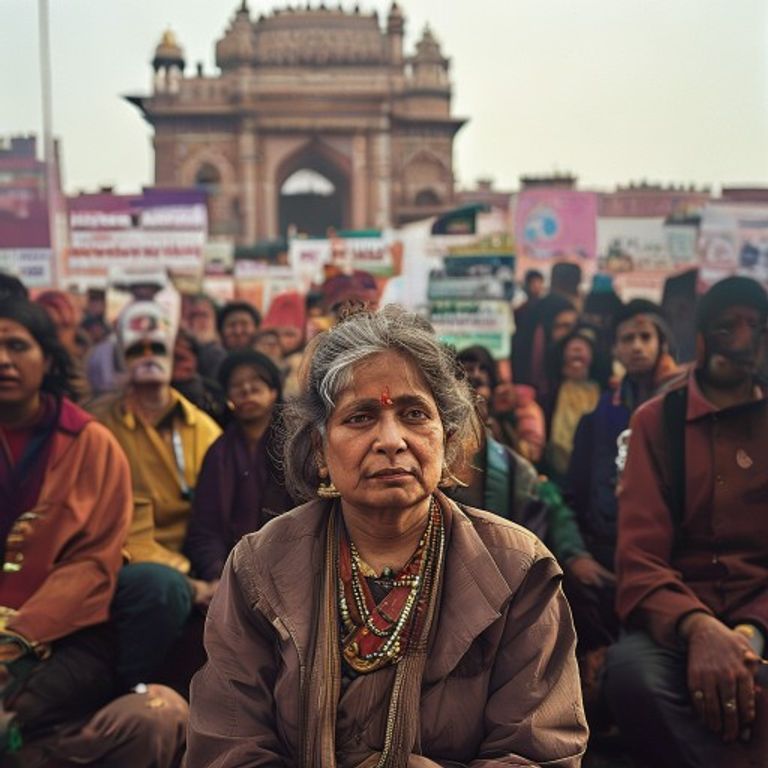
Sonam Wangchuk’s 24-Day Hunger Strike Intensifies Demands for NEET Paper Leak Accountability
New Delhi, India – The demand for transparency and accountability in India’s education system has reached a critical juncture as environmentalist and education reformer Sonam Wangchuk continues his hunger strike for the 24th consecutive day. Wangchuk’s unwavering protest highlights the widespread anger and frustration surrounding the alleged NEET paper leak, an issue that has cast a shadow over the aspirations of millions of students nationwide. As protests escalate, with demonstrators resuming their sit-in at Jantar Mantar, the call for the Union Education Minister’s resignation grows louder, pushing the government to address the serious allegations and implement systemic reforms.
The Genesis of the Protest: The NEET Paper Leak Scandal
The National Eligibility cum Entrance Test (NEET) is arguably one of the most crucial and competitive examinations in India, serving as the gateway for aspiring medical students to secure admissions in prestigious medical colleges. Annually, millions of students dedicate years of their lives to prepare for this single examination, making its integrity paramount. However, recent allegations of a widespread paper leak have plunged the examination into controversy, sparking outrage across the country. Reports suggest that the question paper for the NEET examination was leaked and circulated on various platforms prior to the examination date, potentially compromising the fairness and credibility of the entire process.
The implications of such a leak are profound. For students who have diligently prepared, often under immense financial and psychological pressure, the prospect of their hard work being undermined by malpractice is devastating. It erodes trust in public institutions and raises serious questions about the mechanisms designed to ensure fair play in competitive examinations. The ongoing crisis is not an isolated incident; India has witnessed several instances of examination paper leaks in the past, leading to calls for more robust and foolproof systems to prevent such occurrences.
Sonam Wangchuk: A Voice for Accountability
At the forefront of this intensified movement is Sonam Wangchuk, an innovator and education reformer renowned globally for his work in sustainable development and education, particularly in Ladakh. Wangchuk, whose life and work have inspired countless individuals, including the popular film ‘3 Idiots’, has embarked on a ‘climate fast’ not just for environmental protection but now also for governmental accountability in safeguarding the future of India’s youth. His decision to undertake a hunger strike, now stretching into its fourth week, underscores the gravity of the situation and the depth of public anger.
Wangchuk’s demands are clear and comprehensive. He seeks a thorough and independent investigation into the alleged NEET paper leak, identifying those responsible and ensuring they are brought to justice. Beyond punitive action, he advocates for fundamental reforms in the examination system to prevent future leaks, including stricter security protocols, enhanced digital surveillance, and greater transparency in the entire examination lifecycle – from paper setting to result declaration. Furthermore, his protest has broadened to encompass calls for greater autonomy and democratic rights for Ladakh, connecting local governance issues with national accountability.
The longevity of his hunger strike has drawn significant national and international attention, galvanizing support from various segments of society. It has transformed the protest from a localized grievance into a broader movement demanding systemic change and ethical governance.
Resurgence of Protests at Jantar Mantar
New Delhi’s Jantar Mantar, a historic site synonymous with public demonstrations, has once again become the epicenter of the escalating protests. After a brief lull, demonstrators, comprising students, activists, and concerned citizens, have resumed their sit-in, expressing solidarity with Sonam Wangchuk and amplifying the demand for justice. The atmosphere at Jantar Mantar is charged with a mix of determination and frustration, as protesters hold placards, chant slogans, and organize discussions to keep the issue alive in public discourse.
The central demand resonating through the protests is the immediate resignation of the Union Education Minister. Protesters argue that the minister must take moral and administrative responsibility for the perceived failure of the National Testing Agency (NTA), the body responsible for conducting NEET, to prevent the paper leak and ensure a fair examination process. They contend that accountability at the highest levels of government is crucial to restore faith in the system and send a strong message that such malpractices will not be tolerated.
March to Parliament: A Show of Strength and Unity
Adding further impetus to the movement, a significant march to the Parliament House recently took place, drawing substantial support from a diverse array of public figures, including prominent personalities and Members of Parliament (MPs) from opposition parties. This collective show of strength aimed to directly pressure the government and parliamentarians to address the NEET paper leak issue with the urgency and seriousness it demands.
The march served as a powerful visual representation of the widespread discontent and the cross-sectional support for Wangchuk’s cause. Speeches delivered by participating MPs highlighted the potential damage to India’s youth and the integrity of its academic system if the issue remains unresolved. The presence of these influential figures underscored the political ramifications of the ongoing crisis and the growing demand for a parliamentary debate on the matter.
Allegations of Police Force and Official Denials
Amidst the escalating protests, serious allegations of police force against the demonstrators have surfaced, particularly from the Citizens for Justice and Peace (CJP) group. The CJP group claimed that peaceful protesters were subjected to unwarranted force by law enforcement agencies, raising concerns about freedom of assembly and the right to peaceful protest in a democratic society. Such allegations, if proven true, could further inflame public sentiment and draw criticism regarding the handling of dissent.
However, the Delhi Police have vehemently rejected these claims. In an official statement, the Delhi Police categorized the allegations as “false and misleading information,” asserting that no excessive force was used against any protesters. They maintained that police actions were limited to maintaining law and order and ensuring the safety of both protesters and the general public, without resorting to disproportionate measures. The conflicting narratives surrounding these events highlight the challenges in managing large-scale public demonstrations and the importance of transparent investigations into such claims.
The divergence in accounts necessitates careful scrutiny to ascertain the facts and ensure that the rights of peaceful protesters are upheld while also acknowledging the responsibilities of law enforcement. This aspect of the protest adds another layer of complexity to an already charged situation.
The Road Ahead: Demanding Systemic Change
As Sonam Wangchuk’s hunger strike enters its 24th day, the focus remains sharply on the government’s response to the NEET paper leak and the broader calls for educational reform. The protracted nature of the protest indicates a deep-seated demand for more than just superficial fixes; it calls for a fundamental overhaul of the examination system to embed transparency, accountability, and security at every stage.
The future of millions of aspiring students hinges on the integrity of examinations like NEET. The current crisis serves as a stark reminder of the need for robust institutional mechanisms that can withstand attempts at malpractice and ensure a level playing field for all candidates. The unwavering resolve of Wangchuk and the protesters at Jantar Mantar, coupled with parliamentary pressure, signal that this issue is unlikely to fade until concrete steps are taken.
The government faces the challenge of not only addressing the immediate allegations surrounding the NEET paper leak but also rebuilding trust in the national examination system. This involves a commitment to thorough investigations, prosecuting offenders, and implementing long-term structural changes to prevent future recurrences. The eyes of the nation, and indeed the global community, are watching closely to see how India upholds the promise of a fair and equitable education for its youth.
Conclusion: A Test of Democratic Accountability
Sonam Wangchuk’s 24-day hunger strike, fueled by the widespread discontent over the NEET paper leak, has brought critical issues of governmental accountability and educational integrity to the national forefront. The sustained protests at Jantar Mantar, the impactful march to Parliament, and the conflicting reports on police actions all underscore the intensity and complexity of the current situation. As the demand for the education minister’s resignation reverberates across the country, the resolution of this crisis will serve as a significant test of India’s commitment to transparency, justice, and the future of its youth. The collective voice of students, activists, and concerned citizens signals a clear message: the integrity of competitive examinations is non-negotiable, and systemic reforms are not merely desirable, but imperative.