
 By NewsMatrix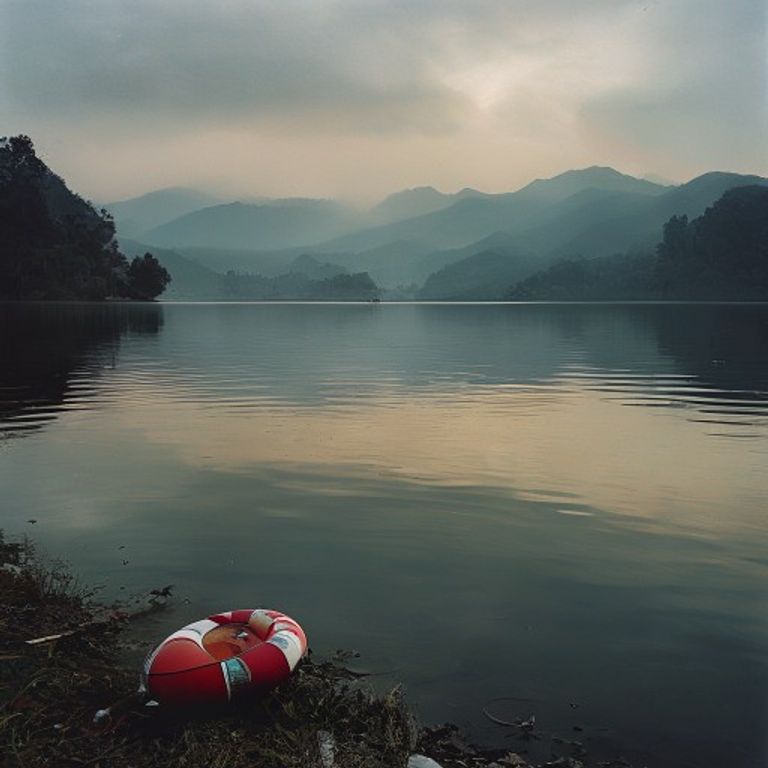
Tragic Nepal Tourist Drowning: Indian Visitor Dies in Phewa Lake
Pokhara, Nepal – A shadow of sorrow has fallen over the picturesque city of Pokhara following the tragic Nepal tourist drowning of a 28-year-old Indian national, Rohit Kumar, in the revered waters of Phewa Lake. The incident, which occurred while Kumar was reportedly swimming, has prompted a thorough investigation by local authorities into the circumstances surrounding this unfortunate loss of life, raising pertinent questions about tourist safety in popular aquatic destinations.
A Holiday Turned Tragedy
Rohit Kumar, a resident of Bihar, India, had embarked on a much-anticipated trip to Pokhara, Nepal, with a group of friends, seeking the serene beauty and adventure that the lakeside city is renowned for. The group was enjoying their visit to one of Nepal’s most iconic tourist hotspots when tragedy struck. According to initial reports, Kumar ventured into the waters of Phewa Lake for a swim, a common activity for visitors seeking respite from the warmth and wishing to experience the lake’s refreshing embrace. However, what began as a leisurely activity quickly escalated into a desperate search when Kumar failed to resurface.
The alarm was raised by his friends, who immediately alerted local authorities and rescue services. The swift response saw a dedicated disaster management team mobilized to the site, launching an intensive search operation across the designated area of the lake. The urgency of the situation was palpable, with rescuers working against time, deploying various resources and techniques in their efforts to locate the missing tourist. The search efforts, although commendable for their speed and dedication, were unfortunately met with a somber outcome. Rohit Kumar was eventually located and pulled from the lake. Rescuers immediately administered first aid and rushed him to a nearby hospital, hoping to revive him. Despite the best efforts of medical professionals, Kumar was tragically declared dead upon arrival, leaving his friends and family reeling from the sudden and devastating news.
Phewa Lake: A Jewel with Hidden Depths
Phewa Lake is the second-largest lake in Nepal and a central attraction of Pokhara, drawing hundreds of thousands of domestic and international tourists annually. Its stunning reflections of the Annapurna range, the tranquil boat rides, and the vibrant lakeside atmosphere contribute significantly to Pokhara’s reputation as a paradise for travelers. However, like many natural bodies of water, Phewa Lake possesses inherent risks that visitors, particularly those unfamiliar with its conditions, must acknowledge. While areas are designated for boating and controlled activities, unsupervised swimming can be perilous due to varying depths, underwater currents, and unexpected hazards. The lack of pervasive supervision in all areas, coupled with the natural human inclination to explore and enjoy, sometimes leads to such heart-wrenching incidents.
Local authorities and tourism bodies often issue advisories regarding water safety, emphasizing the importance of swimming in designated areas, preferably with supervision, and being aware of one’s physical limits. For tourists, especially those from landlocked regions or unfamiliar with open water swimming, the perceived safety of a lake can be deceptive. The incident involving Rohit Kumar serves as a stark reminder of these often-underestimated dangers, prompting a renewed focus on ensuring comprehensive safety protocols are not only in place but also effectively communicated to every visitor.
Investigating the Incident: Seeking Answers and Preventing Future Tragedies
The local police and district administration have launched a full-scale investigation into Rohit Kumar’s drowning. This investigation aims to ascertain the precise sequence of events leading to the tragedy, including any contributing factors such as potential health issues Kumar might have had, the specific location where he was swimming, the presence of any warning signs, and the swiftness and adequacy of the initial response. Such inquiries are crucial not only for understanding the immediate cause of death but also for identifying systemic gaps in safety measures that, if addressed, could prevent similar incidents in the future.
Investigators will likely interview Kumar’s friends, eyewitnesses, and rescue personnel. They will examine the site, gather any available evidence, and reconstruct the incident to form a clear picture. The findings of this investigation are eagerly awaited, not just by the grieving family but also by the wider tourism community in Nepal. Transparency and thoroughness in this process are paramount to maintaining trust and ensuring that lessons learned are effectively translated into actionable safety improvements. The outcome could lead to updated safety guidelines, increased patrols, more prominent warning signage, or even restrictions on swimming in certain parts of the lake without life jackets or professional supervision.
The Broader Context of Tourist Safety in Nepal
Nepal, a country celebrated for its majestic mountains, rich culture, and spiritual serenity, relies heavily on its tourism sector. Millions visit annually, drawn by opportunities for trekking, mountaineering, cultural tours, and adventure sports. While generally a safe destination, incidents like the one at Phewa Lake highlight the perennial challenges of ensuring visitor safety across diverse geographical and activity landscapes. Tourist safety encompasses a wide range of considerations, from road safety and trekking precautions to health advisories and water activities.
The Nepalese government and various tourism organizations continuously work towards enhancing safety standards. This includes initiatives like training guides, improving infrastructure, and disseminating information. However, the onus also falls on individual tourists to exercise caution, adhere to local guidelines, and prioritize their well-being. This incident serves as a poignant illustration that even in seemingly benign environments, vigilance is key. Visitors are often encouraged to purchase comprehensive travel insurance, be aware of emergency contact numbers, and always inform someone of their plans, especially when engaging in activities that carry inherent risks.
A Call for Heightened Awareness and Responsibility
The tragic death of Rohit Kumar resonates deeply, echoing across borders and reminding everyone of the fragility of life and the unforeseen dangers that can arise even during moments of leisure. For his family and friends in Bihar, India, this incident represents an immeasurable loss, turning a joyous trip into a lifelong heartache. The incident underscores the critical importance of a shared responsibility towards safety: for authorities to implement and enforce robust safety measures, for tourism operators to provide accurate information and guidance, and crucially, for tourists themselves to be informed, cautious, and respectful of local conditions and advisories.
- Always check local advisories and weather conditions before engaging in water activities.
- Swim only in designated and supervised areas.
- Never swim alone, always have a buddy or inform someone of your plans.
- Be aware of your swimming abilities and physical limits; do not overestimate them.
- Avoid swimming under the influence of alcohol or drugs.
- Ensure children are always supervised by an adult near any body of water.
- Consider wearing a life jacket, especially if you are not a strong swimmer or in unfamiliar waters.
- Familiarize yourself with local emergency services and contact numbers.
This incident is a sobering reminder for all travelers to exercise prudence and for destinations to continuously review and enhance their safety frameworks to prevent similar tragedies. The global tourism community mourns with the family of Rohit Kumar, hoping that lessons learned from this profound loss will contribute to a safer environment for all who seek to explore the world’s wonders.
Conclusion
The unfortunate drowning of Rohit Kumar in Phewa Lake is a stark and sorrowful event that has cast a pall over the vibrant tourist city of Pokhara. While investigations continue to unravel the precise details of the incident, it serves as a powerful testament to the ever-present need for vigilance and robust safety protocols in tourist destinations worldwide. As the authorities work to conclude their inquiry and the community grieves, the focus remains firmly on ensuring that such a tragedy is not repeated. This incident is a poignant call to action for both tourists and tourism providers to uphold the highest standards of safety, fostering an environment where memorable experiences are created without compromising the well-being of visitors. May Rohit Kumar’s soul rest in peace, and may his untimely passing prompt greater awareness and preventative measures to safeguard the lives of countless future travelers.