
 By NewsMatrix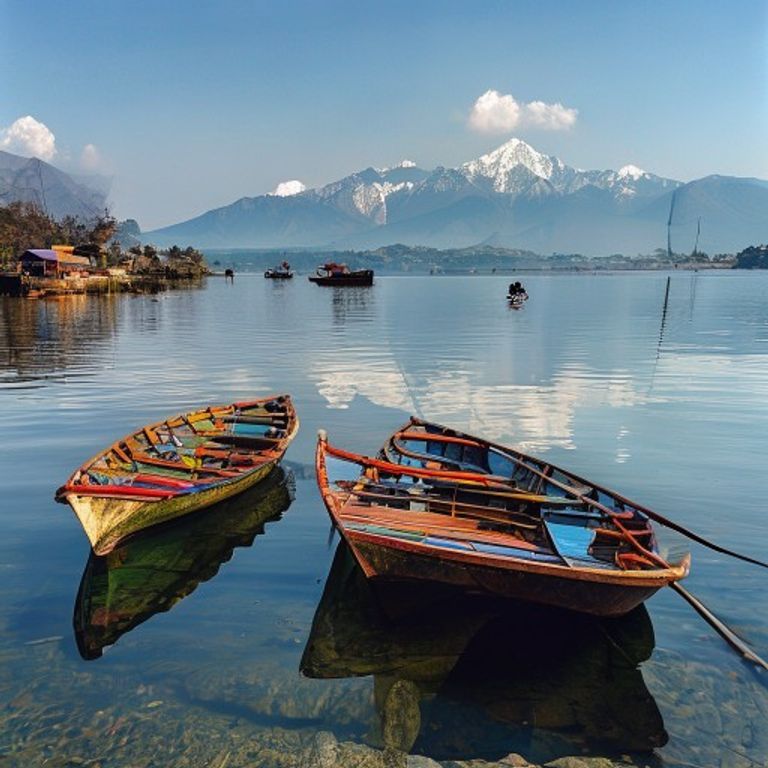
Tragic Incident: Indian Tourist Drowns in Nepal’s Phewa Lake, Investigation Underway
In a deeply saddening turn of events that has cast a shadow over the scenic beauty of Pokhara, Nepal, a 28-year-old Indian tourist drowns in the popular Phewa Lake. Rohit Kumar, hailing from Bihar, India, was visiting the picturesque city with a group of friends when the unfortunate incident occurred during a swimming excursion. The tragedy has prompted a thorough investigation by local authorities, bringing to the forefront critical questions about water safety and tourist vigilance in one of Nepal’s most cherished destinations. The incident underscores the inherent risks associated with recreational water activities, even in seemingly tranquil environments, and serves as a somber reminder for both visitors and tourism operators to prioritize safety protocols.
The Fatal Swim and Rescue Efforts
The incident unfolded recently when Rohit Kumar, like many tourists drawn to Phewa Lake’s allure, decided to take a swim, an activity widely enjoyed in designated areas of the lake. However, what began as a leisurely dip swiftly escalated into a desperate situation. Details emerging from preliminary reports indicate that Kumar encountered difficulties while in the water, leading to a frantic call for help from his companions. A swift and organized search operation was immediately launched by a dedicated disaster management team, comprising local police, armed police force, and civilian volunteers. Their efforts, though commendable and rapid, faced the challenging conditions inherent in a vast water body like Phewa Lake. After an intensive search, Kumar was eventually located and pulled from the water. He was then rushed to a nearby hospital, where medical personnel made strenuous efforts to revive him. Despite their best endeavors, Rohit Kumar was tragically pronounced deceased, leaving his friends and family devastated by the untimely loss. The immediate response from the local community and emergency services was critical, highlighting the coordinated efforts to address such crises, even as the outcome remained heartbreaking. This unfortunate event has deeply impacted the local tourism community and serves as a somber reminder of the unpredictable nature of open water.
The specific circumstances leading to Kumar’s distress in the water are currently a central focus of the ongoing investigation. Authorities are meticulously gathering eyewitness accounts, reviewing any available information about the conditions of the lake at the time, and assessing all potential contributing factors. The aim is not only to understand the sequence of events that led to this tragedy but also to identify any systemic issues or lessons that can be learned to prevent future occurrences. The local administration has expressed its profound condolences to the family of the deceased, assuring them of a thorough and transparent inquiry. This commitment to investigation is crucial for both the bereaved family seeking answers and for the wider community to regain confidence in the safety measures around popular tourist spots.
Phewa Lake – A Jewel of Pokhara
Phewa Lake, the second-largest lake in Nepal, is undeniably the pulsating heart of Pokhara’s tourism industry. Nestled amidst the majestic Annapurna mountain range and surrounded by lush green hills, the lake offers breathtaking panoramic views, particularly at sunrise and sunset. It is a magnet for both domestic and international tourists, drawing them with its serene waters, the iconic Tal Barahi Temple situated on an island in the lake, and the myriad of recreational activities available. Boating, particularly with traditional wooden boats, is a quintessential Phewa Lake experience, allowing visitors to soak in the tranquility and stunning reflections of the Machapuchare peak. Paragliding, zip-lining, and lakeside strolls are also immensely popular, contributing to Pokhara’s reputation as Nepal’s adventure capital. For many, including visitors from neighboring India, a swim in the cool, inviting waters of Phewa Lake is often perceived as an innocent and refreshing pastime. The lake’s appeal lies not just in its beauty but also in the sense of freedom and natural wonder it evokes, making the recent tragedy all the more poignant and a stark reminder of the hidden perils that can exist even in paradisiacal settings.
The area surrounding Phewa Lake is a vibrant hub of hotels, restaurants, and souvenir shops, all catering to the constant flow of tourists. The lake ecosystem itself is rich, supporting a variety of fish and bird species, adding to its natural charm. Its accessibility and the range of activities it offers make it an ideal destination for families, adventure seekers, and those simply looking for a peaceful escape. The consistent flow of visitors, especially from India, highlights the lake’s status as a must-visit attraction. This popularity, however, comes with an increased responsibility to ensure that all recreational activities are undertaken with the utmost safety. The lake’s depth varies significantly, and while some areas are shallow and safe for wading, others can be deceptively deep with unpredictable currents, particularly after rainfall or in certain seasons. Understanding these nuances is vital for anyone planning to enter the water.
Navigating Water Safety in Tourist Hotspots
The tragic drowning of Rohit Kumar highlights a critical issue prevalent in many global tourist destinations: the varying standards and awareness of water safety. While natural water bodies like Phewa Lake offer unparalleled beauty and recreational opportunities, they also present inherent dangers. Factors such as sudden changes in water depth, hidden currents, varying water temperatures, and the potential absence of trained lifeguards in all areas can pose significant risks. For tourists unfamiliar with local conditions, these dangers are often underestimated. Authorities in popular swimming and boating areas typically implement safety guidelines, including designated swimming zones, lifejacket requirements for boating, and warning signs. However, adherence to these rules can sometimes be lax, either by tourists themselves due to overconfidence or a lack of understanding, or by operators failing to strictly enforce them. The incident in Phewa Lake underscores the imperative for robust public awareness campaigns targeting tourists, advising them on safe swimming practices, the importance of assessing one’s own capabilities, and the wisdom of never swimming alone, especially in unfamiliar waters. Enhanced surveillance and rapid response mechanisms are also vital components of a comprehensive water safety strategy to prevent future tragedies.
Moreover, cultural differences in swimming proficiency and awareness of open water risks can further complicate safety efforts. What might be considered a standard safety precaution in one country might not be widely understood or practiced in another. This necessitates a proactive approach from host countries to clearly communicate potential dangers and safety regulations in multiple languages. Investing in visible safety infrastructure, such as ropes delineating safe swimming zones, readily available lifebuoys, and clear signage detailing emergency procedures, can significantly mitigate risks. Additionally, the role of local tour guides and operators is paramount. They are often the first point of contact for tourists and have a responsibility to provide accurate and comprehensive safety briefings, ensuring that visitors are fully aware of the risks and how to minimize them. A collective effort involving tourists, local authorities, and tourism businesses is essential to foster a culture of safety that protects all who come to enjoy these natural wonders.
Nepal-India Tourism Linkages and Impact
Tourism is a cornerstone of Nepal’s economy, and Indian tourists represent a significant and consistently vital demographic for the Himalayan nation. The open border policy, shared cultural heritage, and ease of travel make Nepal a favored destination for Indian travelers, whether for spiritual pilgrimages, adventure sports, or leisure. Pokhara, in particular, attracts a substantial number of Indian visitors, eager to experience its unique blend of natural beauty and adventure. Incidents like the drowning of an Indian tourist drowns in Phewa Lake, while isolated, can unfortunately cast a shadow on the perception of safety for future visitors. Such events often lead to increased scrutiny from international media and potentially prompt travelers to reconsider their safety precautions or even their choice of destination. Therefore, the Nepalese tourism industry, in collaboration with Indian tour operators, has a vested interest in ensuring and visibly promoting the highest safety standards across all its attractions. Reassuring potential tourists that safety is paramount, alongside transparent communication regarding incident investigations and preventative measures, is crucial for maintaining and strengthening the invaluable tourism ties between the two nations.
The strong bond between India and Nepal extends beyond tourism, encompassing cultural exchange, trade, and interpersonal relations. Millions of people cross the border annually, highlighting the deep-rooted connections. When a tragedy like this occurs, it naturally evokes a strong sense of empathy and concern within both communities. The swift action of Nepalese authorities in the search and rescue operation, and their ongoing commitment to a thorough investigation, is a testament to the close cooperation between the two countries. However, the incident also serves as a crucial reminder for both governments to collaborate on establishing and disseminating best practices for tourist safety, especially in popular recreational areas. This might involve joint awareness campaigns or sharing expertise on disaster management and emergency response protocols. Upholding high safety standards is not only a moral imperative but also a strategic necessity for sustainable tourism growth, ensuring that the warm welcome extended by Nepal continues to be met with confidence by its closest neighbor.
The Ongoing Investigation and Lessons Learned
Local authorities in Pokhara have initiated a thorough investigation into the circumstances surrounding Rohit Kumar’s drowning. While the immediate cause of death has been identified as drowning, the inquiry aims to uncover any contributing factors that may have led to the tragedy. This includes examining eyewitness accounts from Kumar’s friends, reviewing any available surveillance footage, and assessing the specific conditions of the lake at the time of the incident. Investigators will also consider whether any underlying health conditions might have played a role or if any safety protocols were inadvertently overlooked. The findings of this investigation will be crucial not only for understanding what happened to Rohit Kumar but also for implementing enhanced safety measures to prevent similar incidents in the future. Beyond the official inquiry, the incident serves as a powerful, albeit tragic, lesson for the entire tourism ecosystem. It highlights the need for continuous education for tourists on responsible behavior, the importance of respecting natural environments, and the critical role of local communities and tourism businesses in safeguarding visitors. The unfortunate event should catalyze a renewed commitment to comprehensive safety strategies, ensuring that the allure of destinations like Phewa Lake can be enjoyed securely by all.
The investigation will likely delve into various aspects, including the presence of warning signs, the availability of life-saving equipment, and the response time of emergency services. Any recommendations stemming from this inquiry will be vital for improving safety standards across Nepal’s tourist attractions. It is imperative that these recommendations are not just formulated but also effectively implemented and regularly reviewed. For the tourism sector, proactive measures like mandatory safety briefings for water-based activities, clearer demarcation of safe swimming zones, and increased deployment of trained personnel can make a significant difference. Ultimately, while individual responsibility is key, the onus is also on collective stakeholders to create an environment where such tragedies are minimized. The legacy of Rohit Kumar’s passing should be a strengthened commitment to making safety an unwavering priority, ensuring that every visitor to Nepal can experience its wonders with confidence and peace of mind.
Conclusion
The untimely demise of Rohit Kumar in the tranquil waters of Phewa Lake is a profound tragedy that resonates beyond his immediate family and friends, impacting the broader tourism community. It serves as a stark and painful reminder that even the most idyllic settings can hold unforeseen risks. While the natural beauty and adventurous spirit of places like Pokhara are undeniable draws for travelers worldwide, personal vigilance and adherence to safety guidelines are paramount. For tourism operators and local authorities, this incident underscores the perpetual responsibility to review and enhance safety infrastructure, educate visitors, and provide clear, accessible information regarding potential hazards. As the investigation into this unfortunate incident progresses, the hope remains that its findings will contribute to making travel safer for everyone. The memory of Rohit Kumar’s tragic passing should inspire a collective commitment to ensuring that the joy of exploration never comes at the cost of life, allowing future visitors to experience the wonders of Nepal with peace of mind and security.
This incident also prompts a larger conversation about balancing the pursuit of adventure with an unwavering commitment to safety. Nepal, with its stunning landscapes and rich cultural heritage, will undoubtedly continue to attract millions. The key lies in creating an environment where these experiences can be enjoyed without undue risk. Through collaborative efforts between international tourists, local communities, tourism businesses, and governmental bodies, a framework for enhanced safety and preparedness can be established. This collective vigilance and dedication to safety will not only honor the memory of those lost but also safeguard the future of tourism, ensuring that the allure of destinations like Phewa Lake remains synonymous with both adventure and security. The call to action is clear: prioritize safety, educate continuously, and respond effectively to prevent similar heartbreaks.