
 By NewsMatrix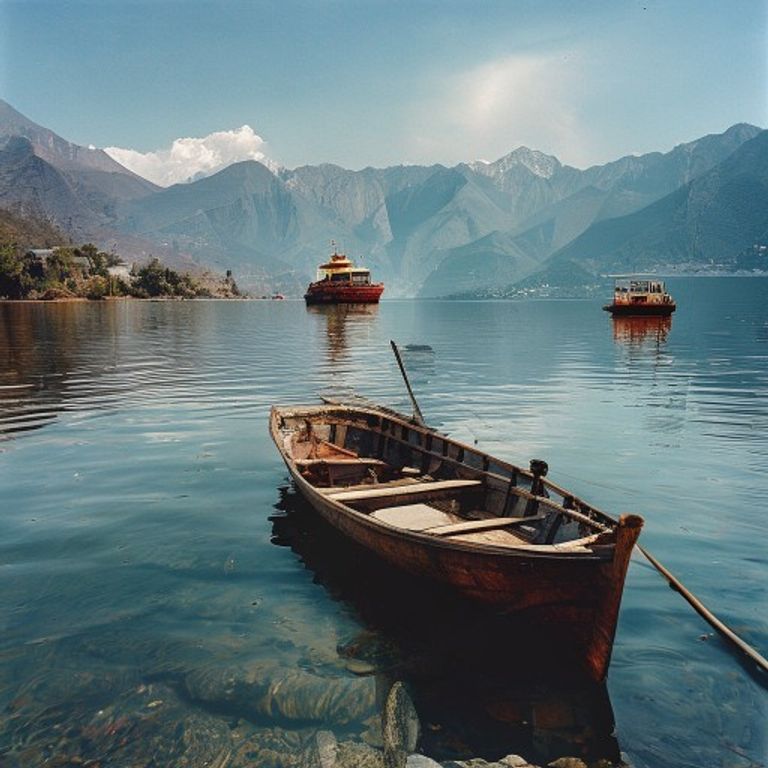
Indian Tourist Drowns in Nepal’s Phewa Lake: A Tragic Incident Under Investigation
Pokhara, Nepal – The scenic tranquility of Phewa Lake, a jewel in Nepal’s popular tourist city of Pokhara, was shattered this week by a tragic incident involving a 28-year-old Indian tourist. Rohit Kumar, hailing from Bihar, India, drowned in the lake while on a recreational visit with friends. The unfortunate death of the young man has prompted a thorough investigation by local authorities, casting a somber shadow over the bustling lakeside destination. This **Indian tourist drowning** incident serves as a stark reminder of the inherent risks associated with water-based activities, even in seemingly calm environments, and underscores the critical importance of adhering to safety guidelines.
The Ill-Fated Outing and Swift Response
According to preliminary reports from the District Police Office, Kaski, Rohit Kumar was enjoying his trip to Pokhara with a group of friends. On the day of the incident, he, along with his companions, ventured to Phewa Lake, a renowned spot for boating and other water sports. It is understood that Kumar decided to go for a swim in the lake, a common activity among tourists seeking respite from the heat and wishing to experience the natural beauty up close. However, what began as a leisurely dip quickly turned into a dire situation.
Eyewitnesses reported that Kumar began to struggle in the water. The alarm was raised immediately by his friends and other tourists present nearby. The urgency of the situation prompted a rapid response from local disaster management teams, including personnel from the Armed Police Force (APF) Disaster Management Training School, Nepal Police, and local volunteers. A comprehensive search operation was launched without delay to locate the missing tourist, whose disappearance beneath the surface sparked widespread concern.
The search efforts were intense and coordinated, utilizing available resources to comb the area where Kumar was last seen. The swift action of the rescue teams reflects the preparedness of local emergency services to respond to such crises. Despite the challenging circumstances of a large lake, the search teams worked tirelessly against time, understanding that every minute was crucial in a drowning scenario.
Rescue, Hospitalization, and Unfortunate Demise
After a painstaking search operation, Rohit Kumar was successfully rescued from the lake. Upon being brought to shore, his condition was critical. Rescuers immediately administered first aid before rushing him to the Western Regional Hospital (Gandaki Hospital) in Pokhara. The hospital, a key medical facility in the region, promptly initiated emergency treatment in an attempt to revive him.
Despite the best efforts of the medical professionals, Rohit Kumar could not be saved. He was declared deceased shortly after his arrival at the hospital. The news of his passing sent shockwaves through his group of friends and the broader tourist community, highlighting the fragility of life and the suddenness with which tragedy can strike. The body was subsequently taken for post-mortem examination, a standard procedure in such cases, to ascertain the exact cause of death and to aid the ongoing investigation.
The family of Rohit Kumar in Bihar, India, was informed of the tragic news. The Indian Embassy in Kathmandu is reportedly in touch with the local authorities and the victim’s family, offering necessary consular assistance during this difficult time. This includes facilitating the repatriation of the deceased’s remains and providing support to his grieving friends.
Investigation into the Circumstances
Authorities have commenced a full investigation into the precise circumstances that led to Rohit Kumar’s drowning. The District Police Office, Kaski, is leading the probe. Key aspects of the investigation include:
- Eyewitness Accounts: Collecting statements from Kumar’s friends and other individuals present at the lake during the incident to piece together a chronological understanding of events.
- Safety Protocols: Examining whether all safety protocols were in place and adhered to. This includes looking at warning signs regarding swimming, availability of life vests, and the presence of any lifeguards or designated swimming areas.
- Medical Examination: The post-mortem report will be crucial in determining if there were any underlying medical conditions that might have contributed to the drowning, or if it was purely an accidental drowning.
- Lake Conditions: Assessing the water conditions at the time, including currents, depth, and visibility, though Phewa Lake is generally known for its calm waters.
- Alcohol or Other Factors: Investigating if alcohol consumption or any other impairing factors played a role in the incident.
The investigation aims to provide clarity to the family and to identify any measures that could prevent similar tragedies in the future. While tragic incidents are often unforeseen, a thorough review can sometimes reveal systemic issues or areas where safety awareness could be improved.
Phewa Lake: A Popular but Potentially Perilous Destination
Phewa Lake is the second-largest lake in Nepal and a central attraction of Pokhara, drawing hundreds of thousands of domestic and international tourists annually. Its serene waters, bordered by lush hills and with the stunning Annapurna range reflected in its surface, offer opportunities for boating, kayaking, and paddle-boarding. Lakeside activities also include paragliding, zip-lining, and simply enjoying the scenic beauty from numerous restaurants and cafes along its banks.
Despite its beauty and popularity, natural water bodies, including lakes, always carry inherent risks. Unpredictable currents, sudden changes in depth, cold water temperatures, and the absence of designated swimming areas with lifeguard supervision can all contribute to hazardous situations. While boating on Phewa Lake is largely regulated with life vests often mandatory, unsupervised swimming can be particularly dangerous.
Local tour operators and guides frequently advise tourists to exercise caution, particularly when engaging in water-based activities. The incident involving Rohit Kumar highlights the need for renewed emphasis on these warnings, especially for visitors who may not be familiar with the local aquatic environment or who might underestimate the dangers of open water.
Ensuring Tourist Safety: A Collective Responsibility
This incident brings into sharp focus the broader issue of tourist safety in popular destinations. For an increasing number of global travelers, Nepal represents an attractive destination for adventure and cultural immersion. While the vast majority of visits are trouble-free, such unfortunate events serve as a poignant reminder that vigilance is key.
Recommendations for tourists visiting water bodies include:
- Always swim in designated areas where lifeguards are present.
- Do not swim alone, especially in unfamiliar waters.
- Be aware of your swimming abilities and do not overestimate them.
- Heed all warning signs and local advisories.
- Avoid swimming under the influence of alcohol or drugs.
- Consider wearing a life vest, even if you are a strong swimmer, especially when engaging in boating or other water sports.
- Be informed about local emergency services and contact numbers.
For authorities and tourism stakeholders, the responsibility lies in maintaining clear signage, enforcing safety regulations, and providing accessible information about potential hazards. Regular training for rescue teams and ensuring adequate emergency response infrastructure are also paramount.
Conclusion
The drowning of Rohit Kumar in Phewa Lake is a profound tragedy that has deeply saddened the tourism community and authorities alike. As the investigation continues, the focus remains on understanding the full scope of the incident and providing support to the bereaved family. This heartbreaking event serves as a critical reminder for both tourists and host destinations about the paramount importance of safety awareness and responsible conduct, particularly when engaging with the natural wonders that attract so many to places like Pokhara. While the beauty of Nepal continues to beckon travelers from around the globe, this incident underscores the imperative of caution and respect for the environment to ensure that recreational pursuits do not end in sorrow.