
 By NewsMatrix
Willis Family Fights Rowlett Property Dispute Over Eminent Domain Compensation
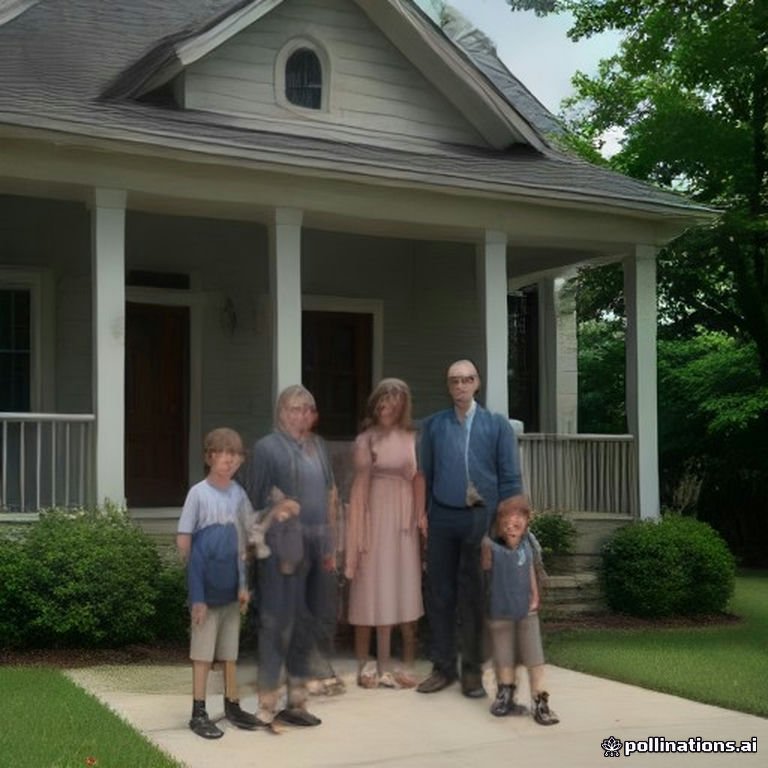
In the heart of Rowlett, Texas, a family’s legacy stands at a crossroads, threatened by the relentless march of urban development. The Willis family, custodians of a cherished home brimming with generations of memories, finds themselves embroiled in a profound Rowlett property dispute with the city. The City of Rowlett, citing the necessity of crucial road improvement projects, seeks to acquire the Willis residence through eminent domain. However, the compensation offer of $429,000 has been vehemently rejected by the family, who deem it significantly undervalued and are demanding an additional $150,000 to reflect the true worth – both monetary and sentimental – of their property. This clash highlights the often-stark reality when private property rights intersect with public infrastructure needs, revealing the profound human cost behind civic progress. The proposed road expansion threatens not just a portion of their land but the very fabric of their family life, potentially cutting their property in half and irrevocably altering a landscape steeped in personal history.
A Home Steeped in History: A Legacy at Stake
For the Willis family, their home isn’t merely bricks and mortar; it is a living archive of their lineage. Passed down through generations, each room, every tree, and every corner of the expansive property holds a narrative – births, celebrations, quiet evenings, and the everyday moments that weave the tapestry of a family’s existence. This deep-rooted connection forms the core of their resistance to the city’s acquisition. The idea of their land being bisected by a new road isn’t just a matter of reduced acreage; it represents a physical and emotional severance from their heritage. The mature trees, the carefully tended garden, the spacious yard where children and grandchildren have played – all are integral to their identity. The family argues that the city’s valuation fails to account for this immeasurable sentimental value, a factor often overlooked in cold financial assessments.
Rowlett’s Growth Ambitions and the Call for Public Good
The City of Rowlett, a burgeoning community in the Dallas-Fort Worth metroplex, points to rapid population growth and increasing traffic congestion as the primary drivers behind its ambitious infrastructure projects. Officials assert that the planned road improvements are vital for enhancing public safety, improving traffic flow, and accommodating future development. Eminent domain, the legal power allowing government to take private property for public use, is the mechanism by which the city intends to proceed. City representatives have indicated that the $429,000 offer is based on independent appraisals conducted according to standard market valuation practices. They maintain that this figure represents fair market value for the property as a whole, considering its current condition and location, aligning with their legal obligations to provide “just compensation” as stipulated by law. The city emphasizes its commitment to orderly growth and ensuring a high quality of life for all its residents, a vision that, they argue, necessitates such infrastructure upgrades.
The Valuation Gap: Discrepancies and Discontent
The crux of the dispute lies in the significant discrepancy between the city’s offer and the Willis family’s perceived value of their home. While the city’s appraisal settled on $429,000, the family believes this sum falls woefully short of what is truly just. They are seeking an additional $150,000, bringing their requested compensation to $579,000. This higher figure, according to the Willis family, better reflects not only the market value of a property of its size and location but also the substantial negative impact of the proposed road on the remaining portion of their land. A property divided by a public thoroughfare inherently loses significant value, utility, and desirability. The family’s own independent assessments or consultations with real estate experts likely support their claim that the city’s offer does not adequately address the diminished usability and market appeal of a fragmented parcel, let alone the costs associated with potential relocation or rebuilding a life elsewhere.
Navigating Eminent Domain: Legal and Emotional Battles
Eminent domain proceedings, while legal, are often fraught with emotional distress for affected property owners. For families like the Willises, the process can feel overwhelming, pitting individual rights against the immense power of the state. In Texas, property owners have the right to challenge the government’s valuation of their land. This typically involves presenting their own appraisals, negotiating for a higher settlement, and, if an agreement cannot be reached, potentially pursuing litigation. The prospect of a prolonged legal battle adds another layer of stress and financial burden to an already challenging situation. Legal experts specializing in eminent domain often highlight the complexities involved, where “just compensation” is not always a straightforward calculation but rather a subject of intense negotiation and, at times, judicial interpretation. The Willis family’s resolve underscores the deeply personal nature of property ownership and the fight to preserve what they believe is rightfully theirs.
The Precedent and Broader Implications for Property Rights
The Rowlett property dispute, while specific to the Willis family, resonates with broader debates surrounding eminent domain across the United States. It highlights the delicate balance between a government’s need to develop essential infrastructure for the common good and the constitutional protection of private property rights. Cases like this often spark discussions about how “just compensation” is truly defined and whether it adequately covers all aspects of loss, including relocation costs, business interruption, and the aforementioned sentimental value. Community groups and property rights advocates frequently monitor such disputes, recognizing that the outcome can set precedents for future eminent domain actions. The resolution of the Willis family’s case could potentially influence how the City of Rowlett, and indeed other Texas municipalities, approach property acquisitions for public projects, emphasizing the importance of fair and transparent processes.
Seeking a Resolution: A Path Forward for Rowlett and the Willis Family
As the standoff continues, the path forward for both the City of Rowlett and the Willis family remains uncertain. Typically, such disputes can be resolved through further negotiations, mediation, or, as a last resort, through the courts. The city has a vested interest in acquiring the property expeditiously to avoid delays in its road projects, while the family is determined to secure what they believe is equitable compensation. Open dialogue and a willingness from both sides to find common ground will be crucial. This could involve revised appraisals, a more comprehensive review of the impact on the remaining property, or an exploration of alternative project designs if feasible. The community watches keenly, hopeful that a resolution can be reached that honors both the city’s developmental goals and the individual rights and heritage of its long-standing residents. The outcome will not only determine the fate of a family home but also serve as a testament to how Rowlett balances progress with compassion.
Conclusion
The Rowlett property dispute involving the Willis family and the City of Rowlett encapsulates a timeless conflict: the individual’s battle to preserve their legacy against the collective imperative of urban expansion. While the city champions progress and improved infrastructure for its growing population, the Willis family steadfastly defends the intrinsic value of their generational home, far beyond the dollar amount offered. The $150,000 gap represents more than just a financial disagreement; it symbolizes a divergence in understanding the true cost of eminent domain – a cost that encompasses emotional ties, historical significance, and the quality of life. As negotiations continue, the eyes of the community remain on Rowlett, hoping for a resolution that exemplifies fairness, respects property rights, and acknowledges the deep human connection to home and heritage. The balance struck in this dispute will undoubtedly leave a lasting imprint on both the city’s landscape and its social fabric.