
 By NewsMatrix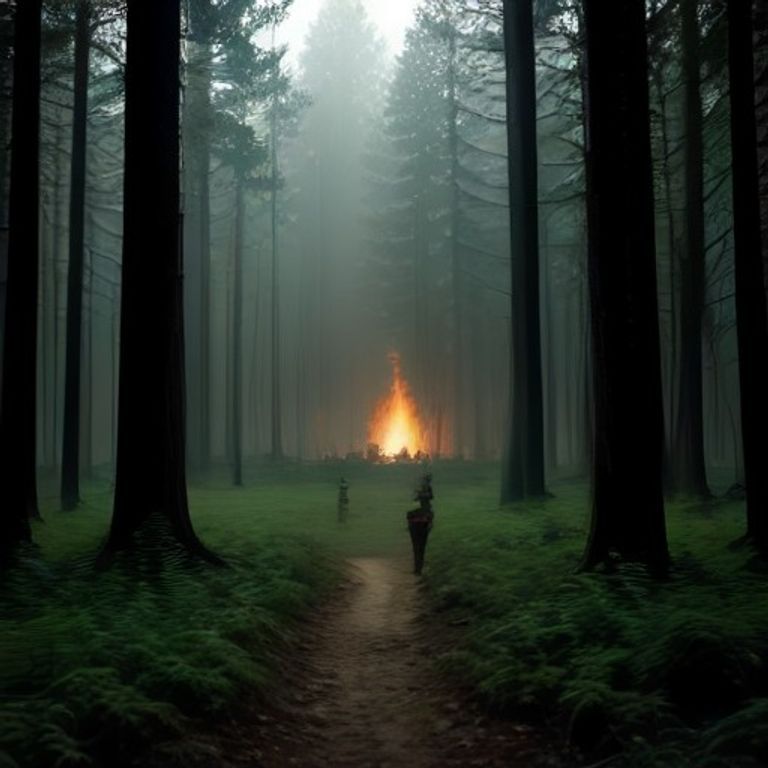
Washington State Pioneers Prescribed Burns for Wildfire Resilience
In a significant shift towards proactive environmental management, communities across Washington State are increasingly embracing prescribed burns Washington as a vital strategy to mitigate the ever-growing threat of wildfires. This ancient yet re-envisioned practice, which meticulously imitates natural fire cycles, is proving highly effective in reducing the accumulation of hazardous fuels—dead wood, dry grasses, and underbrush—that otherwise feed destructive blazes. The strategic reintroduction of controlled fire offers a sophisticated approach to land management, aiming not merely to suppress but to coexist with fire. This innovative strategy marks a fresh perspective on safeguarding landscapes, communities, and livelihoods from the escalating challenges posed by wildfire threats in the Pacific Northwest.
The Ecological Imperative: Understanding Prescribed Burns
For millennia, fire has been an intrinsic component of many ecosystems, shaping landscapes and promoting biodiversity. However, a century of aggressive fire suppression policies, while initially intended to protect settlements, inadvertently led to an unnatural buildup of combustible materials. This fuel accumulation, combined with warmer, drier climates, has transformed what were once manageable fires into catastrophic infernos. Prescribed burns, also known as controlled burns, are meticulously planned and executed fires conducted under specific weather conditions by trained professionals. Their primary goal is to safely reduce fuel loads, thereby lowering the intensity and spread potential of future wildfires. This ecological tool reintroduces beneficial fire into fire-dependent landscapes, promoting forest health, clearing undergrowth, and facilitating nutrient cycling. It’s a testament to a growing understanding that preventing all fires is not only impossible but also ecologically detrimental. By mimicking nature’s own processes, prescribed burns help restore ecological balance, creating healthier, more resilient forests that are better equipped to withstand the impacts of climate change and minimize the devastating consequences of uncontrolled wildfires.
Washington’s Wildfire Challenge and the Proactive Shift
Washington State, with its diverse geography ranging from arid eastern shrub-steppes to dense western forests, has become increasingly vulnerable to intense wildfire seasons. Recent years have seen unprecedented acreage burned, smoke-filled skies, and significant economic and ecological devastation. This escalating threat has spurred state and local authorities, alongside environmental organizations and academic institutions, to re-evaluate traditional wildfire response strategies. The shift towards prescribed burning represents a proactive rather than reactive approach, moving beyond mere suppression to long-term risk reduction. Recognising that simply fighting fires once they start is an unsustainable model, Washington has begun to invest heavily in preventative measures. This includes funding for training, equipment, and fostering inter-agency cooperation essential for the safe and effective implementation of controlled burns. This paradigm shift acknowledges that while fire will always be a part of the landscape, its destructive potential can be significantly curbed through intelligent and strategic land management, protecting both natural resources and human habitations.
Roslyn: A Beacon of Resilience and Collaboration
Nestled in the Cascade Mountains, the historic town of Roslyn serves as a powerful testament to the efficacy of prescribed burns. Having endured the devastating impacts of wildfires in its past, Roslyn has become a pioneering community in embracing this preventative measure extensively. The scars of previous blazes served as a stark reminder of the urgent need for a new path. In response, Roslyn embarked on an ambitious program of prescribed burning, forging an exemplary model of collaboration. This initiative has brought together the Washington State Department of Natural Resources (DNR), the U.S. Forest Service, local fire districts, private landowners, and tribal nations, all working in concert towards a common goal: creating a fire-adapted community. Their efforts extend beyond simply burning; they involve meticulous planning, site assessments, public outreach, and continuous monitoring. The success in Roslyn is not merely measured by the acres treated but by the enhanced community safety, reduced anxiety during fire season, and the palpable sense of collective responsibility. The town’s experience demonstrates that with commitment, strategic partnerships, and a deep understanding of ecological principles, communities can significantly enhance their resilience against wildfire threats, transforming vulnerability into strength.
- Multi-Agency Coordination: DNR, U.S. Forest Service, local fire departments, and tribal entities pooling resources and expertise.
- Private Landowner Engagement: Educating and assisting private citizens in conducting or allowing burns on their properties.
- Community Buy-in: Public workshops, informational sessions, and transparent communication to build trust and support.
- Adaptive Management: Continuously learning from each burn and adjusting strategies for optimal results and safety.
The Complexities and Rewards of Controlled Fire
Implementing prescribed burns is a complex undertaking, requiring rigorous planning, precise execution, and constant vigilance. It involves detailed analysis of fuel types, terrain, weather patterns—including wind speed and direction, humidity, and temperature—and smoke management considerations. Environmental windows for safe burning are often narrow, demanding quick mobilization of resources and personnel. Beyond the technical challenges, there are also social dimensions, primarily addressing public concerns about smoke impacts and the perceived danger of intentionally setting fires. Educating the public about the long-term benefits of these burns for ecosystem health and community safety is paramount. Despite these complexities, the rewards are substantial. Successfully executed prescribed burns create defensible spaces around communities, reduce the likelihood of high-intensity crown fires, and protect critical infrastructure. They also contribute to healthier ecosystems by promoting the growth of fire-adapted plant species, improving wildlife habitat, and increasing water quality. The investment in these preventative measures yields significant returns by reducing the costs associated with fighting large-scale wildfires, mitigating property damage, and safeguarding human lives.
Future Forward: A Global Blueprint for Fire Adaptation
Washington State’s increasing reliance on prescribed burns signifies a profound and necessary evolution in wildfire management. By actively engaging with fire as a natural process rather than solely battling it as an enemy, communities like Roslyn are forging a path towards greater resilience and sustainable coexistence with wildfire. This innovative approach, characterized by meticulous planning, inter-agency collaboration, and robust community engagement, offers a powerful model for regions globally grappling with similar challenges. As climate change continues to intensify wildfire seasons, the lessons learned and the strategies employed in Washington provide a beacon of hope and a blueprint for a future where landscapes and communities are not just protected, but truly fire-adapted. The judicious use of prescribed fire is not merely a tactic; it represents a fundamental shift in philosophy—one that promises to create safer, healthier, and more resilient environments for generations to come.