
 By NewsMatrix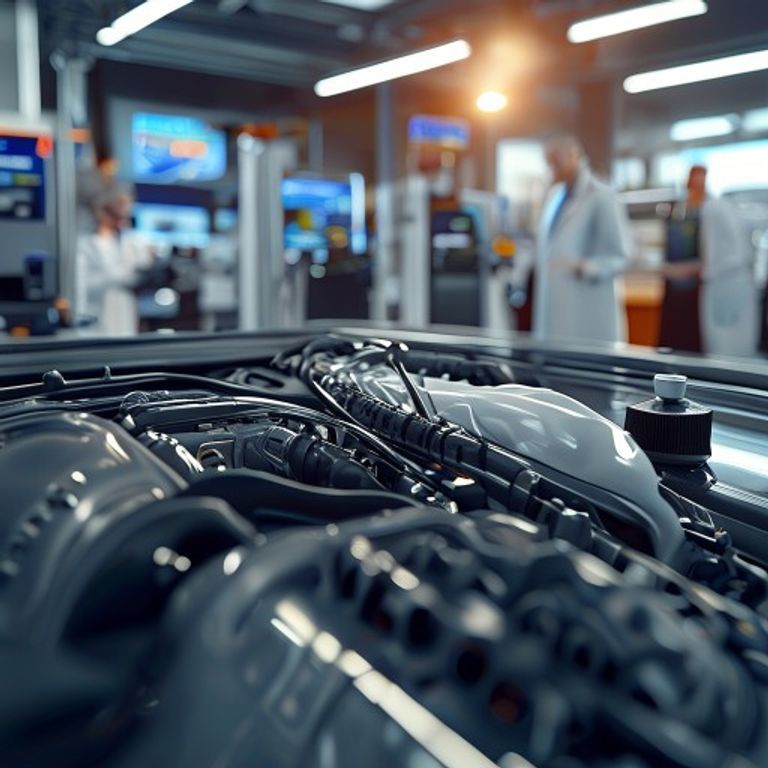
The E20 Mandate: A Strategic Leap Towards Sustainability
The government’s push for E20 petrol is not merely an incremental adjustment but a strategic imperative driven by a multi-pronged vision. At its core, the mandate seeks to reduce the nation’s heavy reliance on crude oil imports, a significant drain on foreign exchange reserves and a point of vulnerability amidst global geopolitical fluctuations. By increasing the domestic blending of ethanol, derived primarily from agricultural feedstocks, the country aims to enhance its energy independence and foster a more resilient fuel supply chain. Beyond economic considerations, the environmental benefits are paramount. Ethanol is a cleaner-burning fuel, and its higher oxygen content facilitates more complete combustion, leading to reduced emissions of carbon monoxide, unburnt hydrocarbons, and particulate matter. This aligns with global efforts to combat climate change and improve urban air quality, positioning the nation as a proactive participant in the transition to greener energy alternatives.
Historically, ethanol blending programs have evolved over time, starting with lower concentrations and gradually increasing as technological advancements and infrastructure support mature. The transition to E20 represents a significant leap from previous E10 mandates, requiring robust industry preparedness and public confidence. The government’s roadmap for ethanol blending is ambitious, aiming for a nationwide rollout to meet specific environmental and economic targets, making the industry’s endorsement crucial for public acceptance and smooth implementation.
Vehicle Manufacturers Defend E20: No Observed Engine Damage
One of the primary concerns frequently raised by consumers when discussing higher ethanol blends relates to potential engine damage. Vehicle manufacturers have been at the forefront of addressing these apprehensions, drawing on years of research, development, and rigorous testing. Industry associations and individual companies have released statements underscoring their confidence in E20 petrol’s compatibility with modern vehicle engines.
Engineers explain that contemporary vehicle designs have proactively incorporated materials and technologies capable of handling ethanol concentrations up to E20. This includes specialized fuel lines, O-rings, seals, and fuel pumps made from materials resistant to ethanol’s corrosive properties. Furthermore, Engine Control Units (ECUs) in newer vehicles are programmed with adaptive learning capabilities that can automatically adjust fuel injection timings and air-fuel ratios to compensate for the varying oxygen content and energy density of ethanol-blended fuels. This sophisticated electronic management ensures optimal engine performance and longevity, even with the E20 blend.
Extensive laboratory tests, simulating prolonged periods of vehicle operation under diverse conditions, have been conducted by original equipment manufacturers (OEMs). These tests evaluate fuel system integrity, engine wear, and emission performance. The consensus from these controlled environments is unequivocal: no significant or premature engine wear or damage has been observed that can be directly attributed to the use of E20 petrol in compatible vehicles. Field trials, involving thousands of vehicles covering millions of kilometers across varied terrains and climatic conditions, further corroborate these findings, providing real-world validation of the lab results. This comprehensive approach to testing and validation forms the bedrock of the industry’s strong defense of the E20 mandate.
Manufacturers are also quick to differentiate between modern vehicles and older models. While vehicles manufactured post-2008 typically exhibit good compatibility with E10 and many with E20, concerns are more pronounced for pre-2008 models, which may not have been designed with ethanol resistance in mind. For such older vehicles, discussions about suitability and potential retrofitting options, or continued availability of E0 (pure petrol) or E5/E10, remain important considerations, although the broader industry focus is on the new mandate.
E20 Petrol and Fuel Efficiency: A Nuanced Perspective
While engine damage concerns have largely been allayed, vehicle manufacturers openly acknowledge a specific trade-off associated with E20 petrol: a slight reduction in fuel efficiency. This phenomenon is rooted in the fundamental energy properties of ethanol compared to conventional petrol. Ethanol has a lower calorific value, meaning it contains less energy per unit volume than pure petrol. Consequently, to achieve the same amount of power output, an engine running on E20 petrol will require a marginally higher volume of fuel compared to running on pure petrol or lower ethanol blends.
Industry experts estimate this drop in fuel efficiency to be in the range of 1% to 5%, varying based on vehicle type, engine technology, and driving conditions. Older vehicles, with less adaptive ECUs, might experience a more noticeable drop, while newer, E20-optimized engines are better equipped to mitigate this effect. This marginal reduction is a well-understood characteristic of ethanol blends globally and is often weighed against the significant environmental and economic benefits. For consumers, the impact on their wallets might be offset by potentially lower per-liter costs of E20 fuel, depending on government subsidies and market dynamics, or by the broader societal benefits of reduced pollution and energy import bills.
It is crucial for consumers to understand that this efficiency difference is a known chemical property and not an indicator of engine malfunction or damage. The vehicle will continue to operate reliably, albeit consuming slightly more fuel for the same distance traveled. Education campaigns are vital to ensure the public understands this nuance, separating it from misconceptions about engine health.
Positive Field Experience: Real-World Validation of E20
Beyond controlled laboratory tests, the real-world deployment of ethanol-blended fuels has provided invaluable data and bolstered confidence. The statement from industry leaders highlighting “positive field experience” is a testament to the extensive trials and pilots conducted over recent years. These include:
- Fleet Testing: Commercial fleets, including taxis and company vehicles, have been running on E10 and now E20 in select regions, providing continuous operational data over long durations.
- Regional Rollouts: Phased introductions in specific geographical areas have allowed for monitoring of vehicle performance, fuel system integrity, and consumer feedback on a larger scale.
- Independent Assessments: Third-party testing agencies and academic institutions have often been involved in evaluating the long-term impacts, adding an impartial layer of validation.
The collective data from these field experiences consistently indicates that vehicles, particularly those manufactured in the last decade, perform as expected with E20 petrol. Reports of fuel system blockages, material degradation, or premature wear have been notably absent or confined to specific, non-E20-compatible older models, reinforcing the industry’s stance. This real-world performance is critical in building consumer trust and demonstrating the viability of the E20 program on a national scale.
Flex-Fuel Vehicles: Charting the Future of Sustainable Mobility
While E20 petrol serves as an important intermediate step, the long-term vision for sustainable mobility in the country increasingly centers around Flex-Fuel Vehicles (FFVs). Industry leaders confirm that discussions are actively ongoing with the government regarding the accelerated adoption and promotion of FFVs as a future pathway.
FFVs are specifically designed to run on a blend of petrol and ethanol, ranging from 0% ethanol (E0) up to 85% ethanol (E85), or even 100% ethanol (E100) in some cases, with a single fuel tank. These vehicles come equipped with advanced sensors and ECUs that can automatically detect the ethanol content in the fuel and adjust engine parameters accordingly for optimal performance. This flexibility offers consumers a choice, allowing them to use whichever fuel blend is most economical or available at the pump, without any concerns about compatibility or performance degradation.
The benefits of FFVs are multi-fold:
- Enhanced Fuel Flexibility: Consumers are not tied to a single fuel type or blend.
- Greater Environmental Impact: With the potential to run on much higher ethanol concentrations, FFVs can significantly reduce greenhouse gas emissions and reliance on fossil fuels.
- Agricultural Support: Increased demand for ethanol directly benefits the agricultural sector, promoting a circular economy.
- Future-Proofing: FFVs offer a robust solution adaptable to evolving fuel policies and environmental targets.
The current discussions with the government focus on several critical aspects for FFV proliferation, including:
- Incentives for Manufacturers: Policies to encourage OEMs to produce more FFV models.
- Consumer Incentives: Subsidies or tax breaks to make FFVs more attractive to buyers.
- Fueling Infrastructure: Developing a widespread network of fuel stations offering E85 or E100, which is currently limited.
- Standardization: Establishing clear standards and regulations for FFV technology and fuel quality.
The transition to FFVs is seen as a natural progression from E20, offering a more complete and robust solution for the country’s sustainable energy goals. It represents a collaborative commitment from both the public and private sectors to innovate and invest in a greener automotive future.
A Global Perspective: How Other Nations Handle Ethanol Blending
The adoption of ethanol blending is not unique to this nation; it is a global phenomenon with varying degrees of implementation. Countries like Brazil have been pioneers in ethanol use, with many vehicles running on E100 (pure ethanol) or flex-fuel for decades. Brazil’s extensive sugarcane industry provides a robust feedstock for ethanol production, establishing it as a global leader in biofuels.
The United States also has a significant ethanol blending program, with E10 being standard nationwide and E15 increasingly available. Their blending is primarily driven by corn-based ethanol, supported by government policies aimed at reducing dependence on foreign oil and boosting agricultural sectors. European nations, while having a more diverse approach, also incorporate ethanol in varying percentages (E5, E10) as part of their renewable energy directives.
These international experiences provide valuable lessons and benchmarks for nations implementing or expanding their ethanol blending programs. They demonstrate that with appropriate vehicle technology, infrastructure, and regulatory frameworks, higher ethanol blends can be successfully integrated into the mainstream fuel supply without widespread issues. The global context reassures that the path taken by the nation is a well-trodden one, albeit with unique local adaptations.
Conclusion: A Confident Step Towards Sustainable Mobility
The collective defense of the 20% ethanol blending mandate by vehicle manufacturers marks a significant milestone in the nation’s journey towards sustainable mobility and energy independence. The industry’s unwavering assurance regarding engine safety, backed by rigorous testing and positive field experiences, should largely alleviate consumer concerns. While acknowledging the minor trade-off in fuel efficiency for some older models, the broader narrative emphasizes the substantial environmental and economic benefits of E20 petrol.
Looking ahead, the ongoing dialogue between the government and the automotive sector concerning flex-fuel vehicles paints a clear picture of the future. FFVs represent a sophisticated and adaptive solution that promises greater fuel flexibility and even more profound environmental gains. As infrastructure develops and public awareness grows, the transition to ethanol-blended fuels, culminating in widespread FFV adoption, is poised to redefine the automotive landscape, making it cleaner, more resilient, and economically beneficial for all stakeholders. This collaborative approach underscores a confident stride towards a greener and more self-reliant automotive future.