
 By NewsMatrix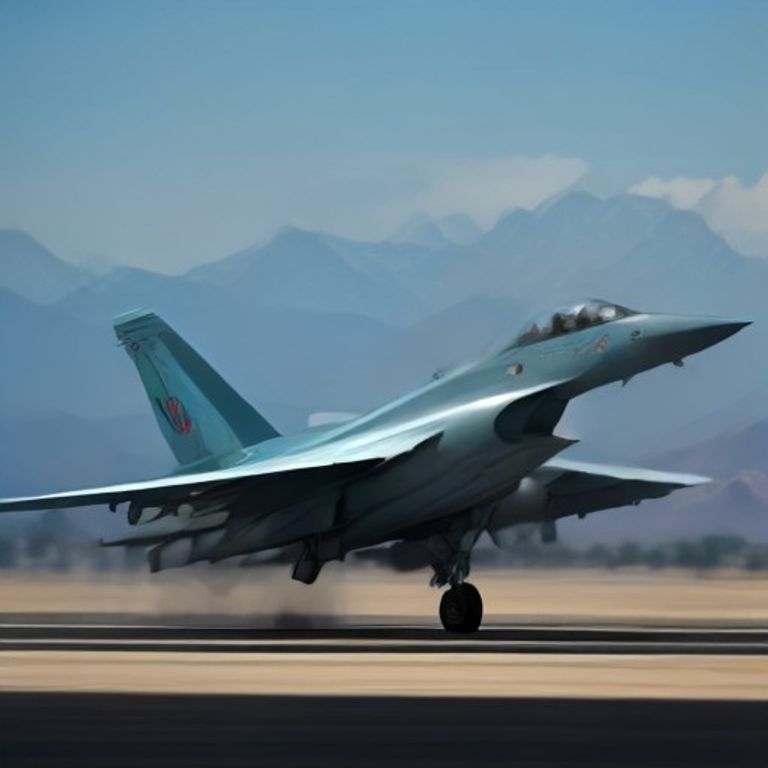
Uzbekistan Bolsters Air Power with J-10CE Fighter Jets from China
Tashkent, Uzbekistan – Uzbekistan has officially entered a new era of air defense capabilities with the reception of its first batch of J-10CE fighter jets from China. This landmark acquisition positions the Central Asian nation as only the second operator globally of these advanced multi-role aircraft, signifying a pivotal moment in its military modernization efforts. At least six of the twenty-four J-10CE fighter jets ordered have reportedly been delivered, marking a significant upgrade to Uzbekistan’s air force and illustrating a notable shift in regional defense dynamics. The move comes at a time when global arms procurement is on the rise, yet paradoxically, China’s overall defense exports have seen a decline, making this high-profile sale particularly noteworthy for Beijing.
The introduction of the J-10CE represents more than just an addition of new aircraft; it symbolises a strategic pivot for Uzbekistan, moving towards more sophisticated and contemporary military hardware. Historically reliant on Soviet and Russian-made equipment, this deal with China underscores Tashkent’s broader efforts to diversify its defense partnerships and enhance its operational readiness in an increasingly complex geopolitical landscape.
The J-10CE: A Leap in Air Power
The J-10CE, an export variant of China’s domestically developed J-10C, is a fourth-generation-plus, all-weather, multi-role fighter designed for both air superiority and ground attack missions. Its capabilities are a substantial upgrade for any air force, especially one looking to modernize from a fleet primarily composed of aging Soviet-era aircraft. Key features of the J-10CE include a state-of-the-art Active Electronically Scanned Array (AESA) radar, which provides superior detection range and target tracking capabilities, allowing for simultaneous engagement of multiple targets.
Beyond its advanced radar, the J-10CE is equipped with a comprehensive suite of modern avionics, including a sophisticated electronic warfare system and a highly integrated cockpit with a helmet-mounted display. Its weapon payload capacity is impressive, capable of carrying a wide array of air-to-air missiles, such as the PL-15 with its extended beyond-visual-range (BVR) capabilities, and the highly agile PL-10 short-range missile. For ground attack roles, it can deploy precision-guided munitions, anti-ship missiles, and various conventional bombs, making it a truly versatile platform. The aircraft’s high maneuverability, coupled with its advanced sensor fusion, provides pilots with superior situational awareness, crucial for modern aerial combat scenarios.
For Uzbekistan, the J-10CE represents a transformative asset. It not only significantly enhances the range and precision of its air defense capabilities but also bolsters its ability to project power and deter potential threats across its borders. The integration of such advanced technology will necessitate comprehensive training for Uzbek pilots and ground crews, fostering a new generation of highly skilled personnel capable of operating cutting-edge military aviation.
Uzbekistan’s Strategic Imperative
Uzbekistan’s decision to acquire the J-10CE fighter jets is rooted in a clear strategic imperative to modernize its armed forces and bolster its national security. As a nation situated in a geopolitically sensitive region bordering Afghanistan, Tajikistan, Kyrgyzstan, Kazakhstan, and Turkmenistan, maintaining robust defense capabilities is paramount. The threats posed by regional instability, cross-border terrorism, and illicit trafficking necessitate a modern and agile air force capable of rapid response and effective deterrence.
The country’s military modernization drive has been a consistent priority for the Tashkent government. Historically, Uzbekistan’s air force has relied heavily on a fleet of MiG-29s and Su-27s, aircraft that, while once formidable, are now approaching obsolescence in the face of rapidly evolving aerial threats. The J-10CE provides a generational leap, offering capabilities that its current inventory simply cannot match. This acquisition allows Uzbekistan to operate independently and more effectively in protecting its airspace and national interests, reducing its reliance on older platforms and potentially, external military assistance for certain operations.
Furthermore, this defense deal strengthens the burgeoning strategic partnership between Uzbekistan and China. Beyond economic ties established through initiatives like the Belt and Road, defense cooperation is becoming an increasingly important facet of their relationship. China, as a major power in Eurasia, seeks to cultivate strong relationships with Central Asian nations, and military sales often serve as a crucial component of this broader diplomatic and economic engagement. The long-term implications of this partnership could see further defense cooperation and technology transfer, cementing China’s role as a significant security partner in the region.
China’s Evolving Defense Export Strategy
While the J-10CE sale to Uzbekistan is a notable success for China’s defense industry, it occurs against a backdrop of declining overall Chinese arms exports globally. Recent reports indicate a perplexing trend: despite a worldwide increase in military spending and arms procurement, China’s share of the international arms market has been diminishing. This paradox highlights the intense competition in the global defense sector and the shifting preferences of buyer nations.
Traditionally, Chinese defense exports have been characterized by cost-effectiveness and a willingness to sell to nations that may face restrictions from Western suppliers. However, as the global market becomes more sophisticated, buyers increasingly prioritize advanced technology, proven combat performance, and comprehensive after-sales support. China faces stiff competition from established defense exporters like the United States, Russia, France, and even emerging players like Turkey and South Korea, which offer technologically advanced systems often backed by extensive combat histories and interoperability with Western standards.
The J-10CE, however, represents China’s concerted effort to break into the higher-end segment of the defense export market. It showcases Chinese advancements in fighter jet technology, including its AESA radar and sophisticated weaponry. By offering a potent and relatively affordable fourth-generation-plus fighter, China aims to attract countries seeking modern capabilities without the political or financial commitments often associated with Western or even Russian equivalents. The sale to Uzbekistan, following Pakistan as the first international operator, serves as a crucial validation of the J-10CE’s export potential and signals China’s ambition to become a more significant player in advanced military aviation markets. This strategy emphasizes providing cutting-edge solutions to specific client nations that are open to diversifying their defense procurement sources.
Regional Implications and Geopolitical Shifts
The acquisition of J-10CE fighter jets by Uzbekistan carries significant regional and geopolitical implications, potentially altering the military balance in Central Asia. For decades, Russia has been the dominant arms supplier and security guarantor in the region, largely through organizations like the Collective Security Treaty Organization (CSTO) and bilateral agreements. Uzbekistan’s move to procure advanced fighters from China signals a diversification of its defense partners, challenging Russia’s traditional influence.
This development could prompt other Central Asian nations to re-evaluate their own defense procurement strategies. As Uzbekistan enhances its air power with modern aircraft, its neighbors might feel compelled to seek similar upgrades to maintain a regional balance. This could lead to a localized arms race or, conversely, foster greater military cooperation within the region as nations adapt to the new strategic landscape. The shift also highlights China’s growing security footprint in a region that is critically important for its Belt and Road Initiative and its broader geopolitical ambitions. Beijing’s willingness to supply advanced military hardware strengthens its political and economic leverage in Central Asia, potentially at Russia’s expense.
Moreover, the introduction of J-10CEs into Uzbekistan’s arsenal could reshape regional power dynamics. It enhances Uzbekistan’s capabilities to project influence and respond to threats independently, bolstering its position as a key player in Central Asian security. The move reflects a broader trend among developing nations to seek a wider range of defense suppliers, driven by factors such as cost-effectiveness, technology transfer opportunities, and a desire to avoid over-reliance on a single foreign power. This dynamic contributes to a more multipolar world order, where countries like Uzbekistan have more options in shaping their defense postures and international alignments.
Conclusion
Uzbekistan’s acquisition of the J-10CE fighter jets from China marks a significant milestone in its journey towards modernizing its air force and securing its national interests. The J-10CE fighter jets represent a substantial upgrade in terms of technology, capability, and operational versatility, providing Uzbekistan with a potent instrument for air defense and regional security. This move not only enhances Tashkent’s military might but also underscores its strategic vision to diversify defense partnerships and embrace advanced military solutions.
For China, this sale, while occurring amidst a broader decline in its defense exports, highlights its commitment to offering high-end military technology to select partners and solidifies its position as a burgeoning supplier of sophisticated defense systems. The strategic implications extend beyond bilateral relations, potentially reshaping the security architecture of Central Asia and influencing the geopolitical balance in a region historically dominated by other major powers. As Uzbekistan integrates these advanced aircraft, it embarks on a new chapter of enhanced air power, setting a precedent for military modernization in the heart of Eurasia.