
 By NewsMatrix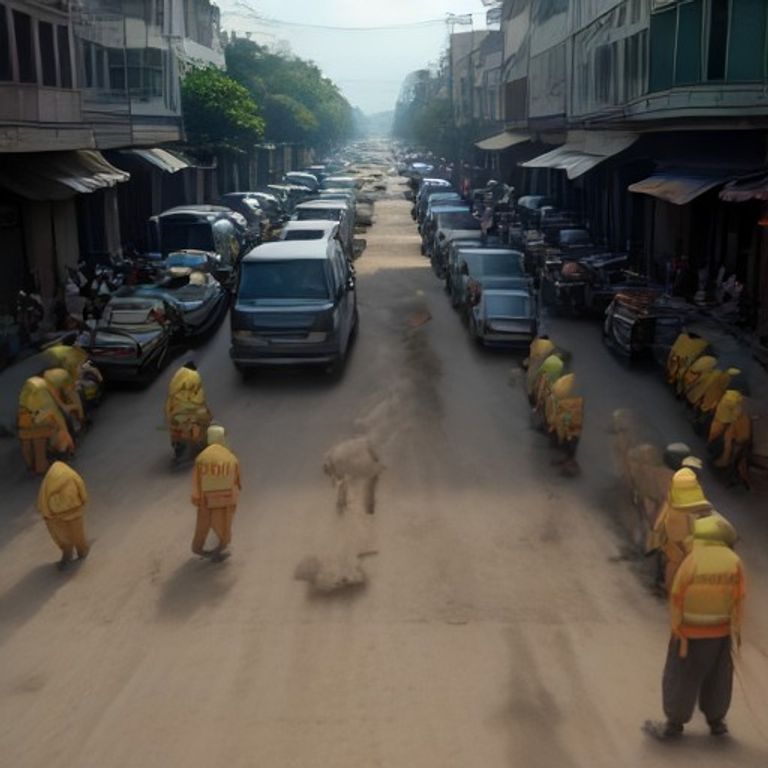
Uncoordinated Indian Road Digging: The Cost of Urban Chaos
Across the bustling metropolises and rapidly expanding tier-two cities of India, a familiar and frustrating sight greets commuters daily: roads perpetually marred by fresh excavations. This incessant and often uncoordinated Indian road digging, a direct consequence of disparate utility projects, has evolved from a mere inconvenience into a systemic challenge, bleeding national resources, choking traffic arteries, and significantly eroding urban quality of life. As India’s urban population continues its relentless climb, the need for integrated planning and smarter governance in infrastructure management has never been more critical. The current fragmented approach, where multiple agencies operate in isolation, not only wastes precious fuel and time but also undermines the very fabric of sustainable urban development.
The Vicious Cycle of Excavation and Resurfacing
The problem is deeply entrenched in the operational silos of various utility providers. Picture this: a newly laid road, pristine and smooth, is suddenly ripped open for a new water pipeline. Weeks later, after a temporary patch, another agency arrives to install optical fibre cables, digging up the same stretch. Before the dust settles, a third entity might excavate for a gas line or an electricity cable. This repetitive cycle of digging, backfilling, and temporary resurfacing is a hallmark of urban infrastructure development in India. Each agency—be it water supply boards, sewage departments, telecommunication companies, electricity distribution firms, or municipal corporations responsible for roads—tends to work independently, driven by their own project timelines and budgets, with little to no overarching coordination.
This lack of a unified command and control structure manifests in tangible economic and environmental costs. The sheer volume of fuel wasted by vehicles stuck in traffic jams, rerouted through circuitous detours, or idling at construction sites is astronomical. Emissions from these idling vehicles contribute significantly to urban air pollution, exacerbating public health concerns already prevalent in Indian cities. Moreover, the repeated damage to roads necessitates frequent repairs, incurring substantial public expenditure that could otherwise be allocated to other critical urban services or development projects. The quality of these temporary repairs is often subpar, leading to further degradation and the need for more intensive, costly maintenance down the line, perpetuating a costly and inefficient cycle.
Economic and Social Ramifications for a Growing Nation
India’s urbanisation trajectory is among the fastest globally. By 2030, nearly 600 million people are projected to live in Indian cities, placing immense pressure on existing infrastructure. Without a paradigm shift in how urban utilities are managed, the current chaos will only escalate, threatening to derail the nation’s economic growth and social progress. The economic impact extends beyond direct fuel costs and repair expenses. Businesses suffer due to delayed logistics, reduced accessibility for customers, and increased operational costs. Commuters face longer travel times, leading to reduced productivity, increased stress levels, and a diminished quality of life. This daily grind of navigating poorly maintained, constantly dug-up roads takes a toll on the mental and physical well-being of millions.
Furthermore, the safety aspect cannot be overlooked. Open trenches, poorly barricaded construction sites, and inadequate lighting pose significant hazards to pedestrians, cyclists, and motorists, particularly during nighttime or adverse weather conditions. Accidents, some fatal, are not uncommon outcomes of these haphazard excavations. The aesthetic blight of perpetually scarred roads also detracts from the urban landscape, impacting civic pride and potential tourism, areas where Indian cities aspire to excel.
The Root Causes: A Web of Disjointed Governance
Understanding the genesis of this problem requires a look into the institutional frameworks governing urban infrastructure. Historically, utility planning in India has been largely sectoral, with each department or public utility undertaking responsible for its specific domain. This ‘siloed’ approach is a legacy issue, deeply embedded in administrative structures. Key contributing factors include:
- Lack of Integrated Planning Platforms: There is often no common platform or single authority responsible for coordinating all utility works within a municipal area.
- Absence of Digital Mapping: Many cities lack comprehensive digital maps (Geographic Information Systems or GIS) that accurately plot the location of all underground utilities. Without this, agencies often dig blindly, risking damage to existing lines and necessitating further repairs.
- Inadequate Communication Protocols: Even where informal coordination exists, formal communication channels and mandatory inter-agency approvals for excavation permits are often weak or non-existent.
- Outdated Regulations and Penalties: Existing laws and regulations might not adequately penalize agencies for uncoordinated digging or mandate a collaborative approach.
- Short-Term Political Cycles: Infrastructure projects often align with political cycles, leading to rushed implementations without long-term strategic planning.
Paving the Way Forward: Solutions for Sustainable Urban Infrastructure
Addressing the challenge of uncoordinated road digging requires a multi-pronged, systemic approach rooted in smarter governance and technological adoption. The solutions are not simple, but they are achievable:
1. Integrated Utility Corridors and Common Ducts
A fundamental shift involves planning for integrated utility corridors. Instead of burying each utility line separately, cities should develop common underground ducts or trenches that can house multiple services—water, sewage, electricity, gas, and telecommunications—together. This one-time excavation approach drastically reduces future digging and allows for easier maintenance and upgrades. While the initial investment might be higher, the long-term savings in maintenance, road repairs, and reduced congestion are substantial.
2. Digital Mapping and GIS Integration
The immediate need is for comprehensive digital mapping of all existing and planned underground utilities using GIS technology. A centralized GIS database, accessible to all relevant agencies, would provide a clear picture of what lies beneath the surface, preventing accidental damage and facilitating coordinated planning. This digital backbone is essential for effective urban infrastructure management.
3. Single-Window Clearance and Coordinated Scheduling
Establishing a ‘single-window clearance’ mechanism for all road-cutting permits is crucial. A dedicated municipal body or a specially formed coordination committee should review all applications for excavation, consolidate them, and then schedule works in a coordinated manner. This body would mandate joint projects where feasible, ensuring that a single stretch of road is opened only once for multiple utility installations or repairs.
4. Smarter Governance and Policy Reforms
- Legislation and Mandates: Enact stricter laws and municipal bylaws that mandate inter-agency coordination for all utility projects involving road excavation.
- Penalty Mechanisms: Implement robust penalty systems for agencies that violate coordination protocols or fail to restore roads to specified standards.
- Technology Adoption: Promote the use of advanced technologies like Ground Penetrating Radar (GPR) for accurate underground utility mapping before excavation.
- Public Awareness: Engage citizens through public awareness campaigns about the benefits of planned infrastructure works and provide channels for reporting issues.
5. Learning from Global Best Practices
Many developed nations have successfully tackled similar challenges. Cities like Singapore, London, and various European cities have implemented advanced GIS systems, utility tunnels, and stringent coordination protocols. While direct replication might not always be feasible, adapting these models to the Indian context, considering local socio-economic and geographical factors, offers valuable insights.
Conclusion: A Blueprint for India’s Urban Future
The persistent challenge of uncoordinated Indian road digging is more than an operational headache; it is a critical obstacle to India’s aspiration for smart, sustainable, and livable cities. The economic drain, environmental cost, and daily inconvenience inflicted upon millions underscore the urgency for reform. By embracing integrated planning, leveraging digital technologies like GIS, implementing robust single-window clearance systems, and fostering smarter, collaborative governance, Indian cities can transform their urban infrastructure landscape. This shift will not only alleviate traffic congestion and conserve fuel but also pave the way for more resilient, efficient, and citizen-friendly urban environments, truly reflecting India’s march towards a developed future. The time for piecemeal solutions is over; a holistic, forward-thinking approach is the only sustainable path forward.