
 By NewsMatrix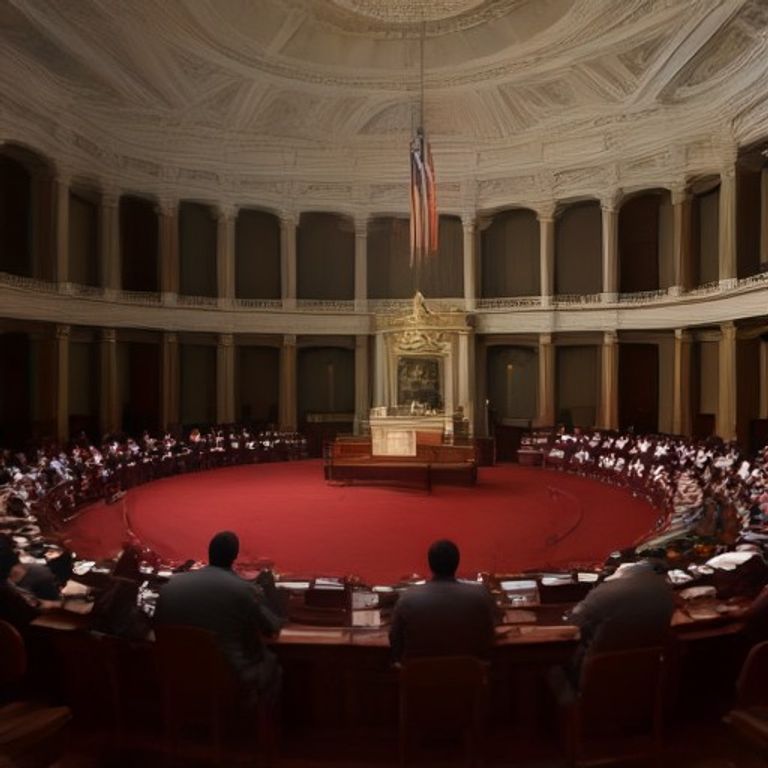
Udhayanidhi Stalin Questions Tamil Nadu Government’s Stance on Anti-Delimitation Resolution
In a significant political development, Udhayanidhi Stalin, a prominent leader of the opposition and a key figure in Tamil Nadu politics, has raised critical questions regarding the state government’s commitment to the anti-delimitation resolution previously passed by the legislative assembly. His query to the Chief Minister and the ruling dispensation has ignited a fresh debate on federalism, political representation, and the future demographic landscape of India, particularly concerning the southern states.
The essence of Stalin’s challenge lies in whether the current government has wavered from the collective decision taken by the House to oppose any delimitation exercise that could potentially penalize states like Tamil Nadu for their successful implementation of population control measures. This questioning brings to the forefront long-standing concerns about equity in political representation and the reward-punishment paradox faced by states that have excelled in national development goals.
Understanding Delimitation and its Stakes
Delimitation, in the Indian context, refers to the act or process of fixing limits or boundaries of territorial constituencies in a country or a province with a legislative body. The process is undertaken by an independent Delimitation Commission, whose primary function is to redraw boundaries to ensure that each constituency has roughly the same number of voters, ensuring fair representation. Historically, delimitation has been a contentious issue, primarily because it directly impacts the political power and representation of states in the Lok Sabha (the lower house of India’s Parliament) and state legislative assemblies.
The last major delimitation exercise in India was based on the 2001 census, with a freeze on fresh delimitation until the first census after 2026. This freeze was implemented to allow states that had made significant progress in population control to avoid a reduction in their parliamentary seats. Southern states, including Tamil Nadu, Kerala, Andhra Pradesh, and Karnataka, have been particularly effective in controlling population growth, often exceeding national averages in family planning initiatives and achieving lower fertility rates.
The concern among these states is that a fresh delimitation based on current population figures would inevitably lead to a reduction in their parliamentary seats, while states with higher population growth might see an increase. Such a scenario is viewed as a penalty for good governance and successful social policies, thereby undermining the spirit of cooperative federalism. It is against this backdrop that the Tamil Nadu Assembly, along with other southern states, passed resolutions unequivocally opposing any delimitation exercise that does not account for the demographic transition and efforts of states in population stabilization.
The Tamil Nadu Assembly’s Anti-Delimitation Resolution
The Tamil Nadu Legislative Assembly had previously adopted a resolution against any move by the Union Government to undertake a delimitation exercise based on the 2021 census data, or any subsequent census, that would alter the existing number of parliamentary and assembly constituencies. The resolution emphasized that such an exercise would disproportionately affect states like Tamil Nadu that have successfully implemented population control policies, leading to a decrease in their share of parliamentary representation and, consequently, a reduced voice in national policymaking.
The core argument presented in the resolution was that a purely population-based delimitation, without considering the achievements in family planning, would be fundamentally unfair and would disincentivize states from pursuing effective social development programs. It highlighted that the current allocation of seats, frozen until 2026, provided a necessary breathing space for states to continue their development trajectories without the immediate threat of political marginalization due to demographic shifts.
This resolution was a strong statement of principle, reflecting the bipartisan consensus in Tamil Nadu regarding the protection of its political interests and the broader federal structure of India. It underscored the state’s commitment to ensuring that its progress in human development indicators, including population control, is recognized and rewarded, rather than becoming a basis for reduced political influence.
Udhayanidhi Stalin’s Pointed Inquiry
Udhayanidhi Stalin’s recent questioning aims to ascertain whether the current Chief Minister and the state government continue to uphold the principles enshrined in this crucial anti-delimitation resolution. While the specific trigger for his query has not been explicitly detailed, it likely stems from a perceived shift in the government’s rhetoric, actions, or potentially, signals from the Union Government regarding the post-2026 delimitation scenario. Political observers suggest that such a question could be prompted by subtle policy shifts, statements made by government representatives, or perhaps, the absence of strong reaffirmation of the state’s original stance on various platforms.
Stalin’s concern is not merely academic; it delves into the strategic positioning of Tamil Nadu in the national political landscape. Any dilution of the state’s opposition to unfavorable delimitation could have profound and long-lasting consequences. It could translate into fewer Lok Sabha seats for Tamil Nadu, diminishing its electoral power and its ability to influence national legislation and resource allocation. Furthermore, it could set a precedent for other southern states facing similar demographic realities, potentially eroding the collective bargaining power of these states on issues of federal importance.
The opposition leader’s inquiry also serves as a crucial check on governmental accountability. It demands transparency on a matter that directly impacts the foundational democratic representation of the state’s populace. By asking whether the government had “shifted” its position, Stalin challenges the consistency of policy, implicitly suggesting that a departure from a previously adopted legislative resolution would require a clear and convincing explanation to the people of Tamil Nadu.
Potential Implications of a Policy Shift
Should the Tamil Nadu government indeed shift its stance on the anti-delimitation resolution, the ramifications could be far-reaching:
- Reduced Political Influence: Fewer parliamentary seats would mean a diminished voice for Tamil Nadu in the Lok Sabha, potentially impacting its ability to advocate for its share of central funds, projects, and policies relevant to the state.
- Erosion of Federal Balance: It could contribute to a perception that states with slower population growth are being penalized, leading to further tensions in Centre-state relations and undermining the spirit of federal cooperation.
- Disincentive for Population Control: If states are “punished” for successfully implementing population control, it might inadvertently disincentivize other states from pursuing similar demographic stabilization efforts in the future.
- Internal Political Fallout: A perceived backtrack on a resolution passed by the entire House could lead to significant internal political criticism and provide ammunition for opposition parties, impacting the ruling party’s credibility and electoral prospects.
- Impact on Southern States Alliance: Many southern states share similar concerns regarding delimitation. A shift by one key state like Tamil Nadu could weaken a potential united front against perceived injustices in representation.
The issue transcends mere numbers; it touches upon the philosophical underpinnings of India’s democratic structure – how representation is balanced against demographic realities, and how states that contribute significantly to human development are adequately empowered within the federal framework.
The Road Ahead: Awaiting Clarification
Udhayanidhi Stalin’s timely question places the onus on the Chief Minister and the Tamil Nadu government to clarify their current position on the anti-delimitation resolution. A clear and unambiguous reaffirmation of the state’s original stance would reassure the populace and other concerned states. Conversely, any indication of a shift or a nuanced change in policy would necessitate a detailed explanation, outlining the reasons and the strategic thinking behind such a decision.
The debate surrounding delimitation is set to intensify as India approaches the post-2026 period. The outcome of this particular query in Tamil Nadu will be closely watched, not just within the state, but across the nation, especially by other southern states grappling with similar dilemmas. It serves as a reminder that issues of federalism, equity, and representation remain central to India’s democratic discourse, requiring constant vigilance and robust debate from all political stakeholders.
As the political narrative unfolds, the people of Tamil Nadu, along with the broader national audience, will be keenly awaiting a definitive response from the government, which will undoubtedly shape future discussions on population-based political representation and the delicate balance of power within the Indian Union.
Conclusion
Udhayanidhi Stalin’s questioning of the Tamil Nadu government’s commitment to the anti-delimitation resolution highlights a critical juncture in Indian federal politics. The resolution, a testament to Tamil Nadu’s foresight in protecting its political interests against demographic shifts, stands as a symbol of states’ rights and equitable representation. The government’s response will not only define its stance on a pivotal issue but also influence the ongoing national discourse on how population control achievements are reconciled with the principles of democratic representation. This exchange underscores the dynamic nature of Indian politics, where historical resolutions and future demographic projections constantly intersect to shape the nation’s legislative and representational framework.