
 By NewsMatrix
Tragic Diwali: Kanpur Roof Collapse Claims Three Lives, Including Infant Son
Introduction: A Festival Drowned in Sorrow
Kanpur, India – What began as the auspicious dawn of Diwali, the festival of lights, turned into an unimaginable tragedy for a family in Kanpur’s Panki Padaav area. On this sacred morning, a devastating Kanpur roof collapse incident claimed the lives of three individuals, including a tender infant, leaving a community in shock and grief. The incident, which occurred in a 35-year-old ancestral home, has cast a somber shadow over the festive season, highlighting critical concerns about urban infrastructure and the safety of aged residential structures. Authorities have swiftly initiated an investigation into the collapse, ordering postmortems for the deceased, as the city grapples with the profound loss.
The Tragic Morning: Diwali Dawn Turns Dark
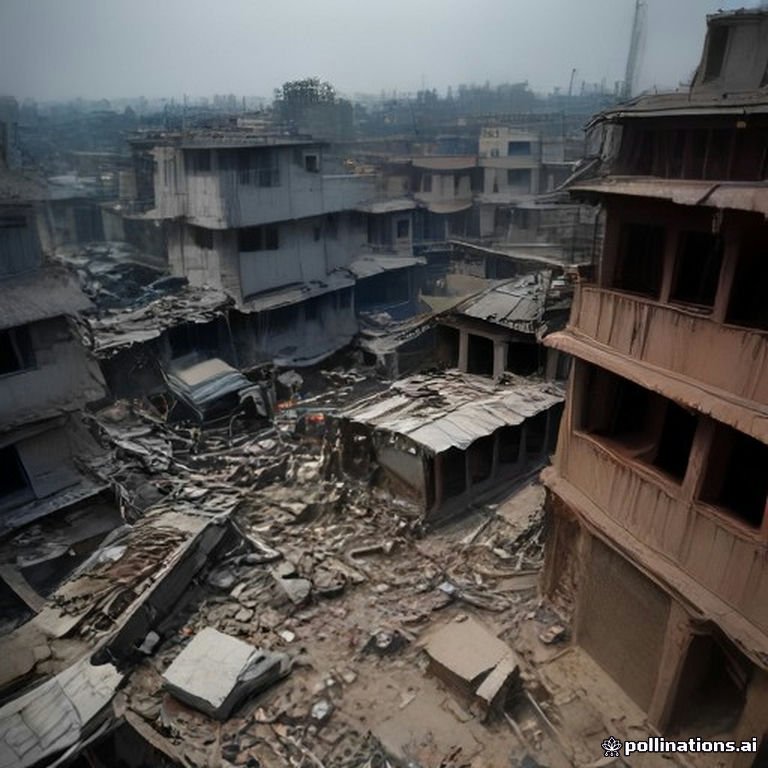
The serenity of Diwali morning on October 24, 2023, was shattered around 6:30 AM for the residents of Panki Padaav. The Shukla family, like millions across India, was likely preparing for the day’s festivities when their ancestral home, a structure that had stood for over three decades, gave way. The roof collapse was sudden and catastrophic, trapping its occupants under a deluge of debris. The immediate aftermath was one of chaos and desperate cries, as neighbours and early responders rushed to the scene, their festive spirits abruptly replaced by an urgent need to assist in rescue efforts.
Eyewitnesses described the harrowing scene, recounting the frantic attempts to clear the rubble and reach those trapped beneath. The sound of the collapse, they said, echoed through the otherwise quiet morning, signaling an irreversible tragedy. The local community, often vibrant and close-knit, mobilised quickly, but the sheer weight and volume of the collapsed structure proved challenging for manual efforts, necessitating the arrival of professional rescue teams and equipment.
The Victims and Survivor: A Family’s Unspeakable Loss
The tragedy resulted in the immediate deaths of three members of the Shukla family: Vinodni Shukla, Anshika Shukla, and Anshika’s infant son, Aarav. Vinodni Shukla, a senior member of the household, was a beloved figure in the locality, known for her warmth and community involvement. Anshika Shukla, whose life was cut tragically short at a young age, was a devoted mother, and her infant son Aarav represented the future that was cruelly snatched away. Their passing has left an irreplaceable void in the lives of their loved ones and a deep sense of sorrow across Panki Padaav.
Miraculously, Harsh Shukla, Anshika’s husband and Aarav’s father, survived the ordeal. Trapped beneath the heavy debris, Harsh sustained minor injuries but emerged from the rubble, albeit into a reality of unimaginable loss. His survival, while a small relief, is overshadowed by the devastating void left by his wife, mother (Vinodni Shukla, based on context), and infant son. The emotional and psychological toll on Harsh and the extended family is profound, and they are now facing the daunting task of coming to terms with this sudden and tragic loss during a time meant for celebration.
The local medical teams provided immediate attention to Harsh Shukla upon his extraction from the debris. While physically stable, the trauma of losing his entire immediate family in such a horrific manner will undoubtedly require extensive support and counselling. The community has rallied around him, offering solace and practical assistance as he navigates this period of intense grief, demonstrating the strong bonds that tie the residents of Panki Padaav together.
Structural Integrity Under Scrutiny: The Role of Water Seepage
Preliminary reports from the site indicate that the 35-year-old ancestral house had been suffering from significant structural issues, primarily due to persistent water seepage. This factor is now believed to be a major contributor to the catastrophic roof collapse. Water seepage, often an overlooked problem in older constructions, can severely compromise the integrity of a building’s foundation, walls, and particularly, its roof. Over time, constant exposure to moisture weakens building materials, leading to corrosion of reinforcement, decay of timber, and erosion of mortar, culminating in structural failure.
Experts in civil engineering highlight that older buildings, especially those constructed without modern waterproofing techniques or subjected to years of neglect, are particularly vulnerable. The monsoon season in India, often intense and prolonged, can exacerbate such problems, with water finding its way into cracks and fissures, slowly eroding the strength of the structure from within. Residents in the area mentioned that the Shukla household had been aware of some dampness issues, but perhaps the extent of the underlying damage was not fully realised until it was too late, leading to this devastating outcome.
The condition of the house raises critical questions about property maintenance, building regulations for older structures, and the responsibility of homeowners to undertake timely structural assessments and repairs. Many ancestral homes in densely populated areas like Kanpur are decades old, and while they carry immense sentimental value, their structural safety can become a serious concern without regular upkeep and professional inspections. This incident serves as a stark reminder of the potential consequences of deferred maintenance.
Official Response and Ongoing Investigation: Seeking Answers
Following the tragic incident, local authorities in Kanpur acted swiftly. Police and disaster management teams arrived promptly at the scene to oversee rescue operations and secure the area. The District Magistrate has ordered a comprehensive investigation into the causes of the roof collapse, emphasizing the need to determine if any negligence contributed to the tragedy. As part of the official protocol, postmortems have been ordered for Vinodni Shukla, Anshika Shukla, and infant Aarav, a necessary step in legal and investigative proceedings to ascertain the exact circumstances of their deaths.
A team of forensic experts and civil engineers has been deputed to the site to conduct a detailed structural analysis of the collapsed building. Their findings will be crucial in understanding the precise mechanism of the collapse, the extent of the water seepage damage, and whether the building’s age and maintenance history played a decisive role. The investigation will also look into the possibility of any prior complaints or reports regarding the structural integrity of the house, and whether appropriate actions were taken by either the residents or municipal authorities.
Furthermore, local government officials have assured the public that all necessary support will be extended to the bereaved family. This includes immediate financial assistance and psychological counseling for Harsh Shukla. The incident has also prompted a wider review of building safety norms and enforcement mechanisms for old residential structures across the city, aiming to prevent similar tragedies in the future and ensure the safety of all its citizens.
Preventative Measures and Community Safety: A Call for Vigilance
The Kanpur roof collapse serves as a stark reminder of the critical importance of regular structural audits, especially for older buildings. Property owners and residents are urged to be vigilant about signs of structural distress, such as cracks in walls, persistent dampness, sagging roofs, or unusual noises. Ignoring these warning signs can lead to severe consequences, as tragically demonstrated in Panki Padaav.
- Regular Inspections: Property owners should engage qualified civil engineers or structural consultants for periodic inspections of their homes, particularly if they are over 20-30 years old, to proactively identify and address potential issues.
- Waterproofing and Drainage: Ensuring effective waterproofing for roofs, terraces, and external walls, along with proper drainage systems, is paramount to prevent water seepage from compromising structural elements.
- Timely Repairs: Any signs of damage, no matter how minor they seem, should be addressed promptly by professionals. Delaying repairs can escalate problems and compromise overall structural stability, leading to catastrophic failures.
- Awareness Campaigns: Local municipal bodies should undertake awareness campaigns to educate residents about building safety standards and the importance of regular maintenance and structural health checks.
- Enforcement of Building Codes: Stricter enforcement of building codes and regular audits of old structures by municipal authorities could help identify and mitigate risks proactively, ensuring compliance and safety.
Community participation is also vital. Neighbours and community groups can play a role in identifying potentially hazardous structures and reporting them to the relevant authorities, fostering a collective responsibility for safety and well-being within residential areas.
A Call for Vigilance
The Panki Padaav tragedy underscores the urgent need for a renewed focus on urban planning, infrastructure maintenance, and public safety. While the emotional wounds of the Shukla family and the Kanpur community will take time to heal, this incident must serve as a catalyst for action. It highlights the vulnerability of aging infrastructure, particularly in rapidly developing urban centers where older residential areas coexist with new constructions. The challenge lies in balancing heritage preservation with modern safety standards, ensuring that homes remain sanctuaries rather than potential hazards.
Government initiatives to provide aid and conduct investigations are crucial, but equally important is a long-term strategy involving stricter construction standards, mandatory periodic safety assessments for old buildings, and accessible support mechanisms for homeowners to undertake necessary repairs. Empowering local municipal bodies with the resources and authority to enforce these measures will be key to preventing future such catastrophes and safeguarding lives.
Conclusion: Remembering and Rebuilding
The devastating Kanpur roof collapse on Diwali morning has left an indelible mark on the city, turning a day of joy into one of profound sorrow. The loss of Vinodni Shukla, Anshika Shukla, and infant Aarav is a tragic reminder of the fragility of life and the critical importance of structural safety. As authorities continue their meticulous investigation to unearth the full details and causes of this calamity, the incident serves as a poignant lesson for communities worldwide: the sanctity of home must be upheld not just through love and care, but also through diligent maintenance and adherence to safety standards. The Panki Padaav tragedy is a somber call to action, urging every stakeholder – from homeowners to urban planners – to prioritize safety and vigilance, ensuring that such a heartbreaking loss is never repeated. The community mourns with Harsh Shukla, hoping that time and collective support can help him navigate this immense grief and begin the arduous journey of rebuilding his life amidst the memory of his lost loved ones.