
 By NewsMatrix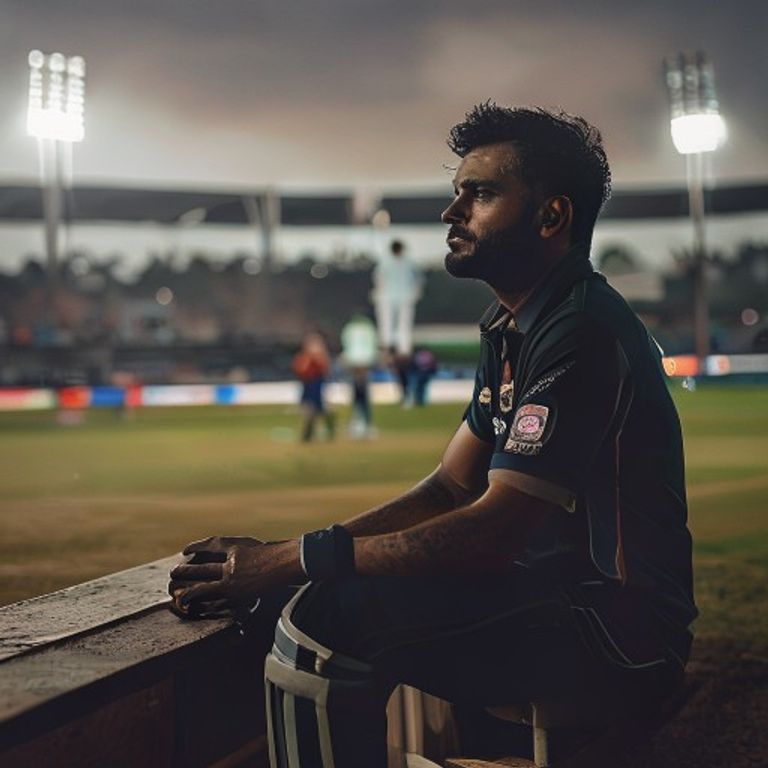
The Rollercoaster of International Cricket: Navigating the Sanju Samson Conundrum
In the unforgiving theatre of international cricket, the distance between being a national hero and an excluded player is often just a handful of deliveries. Nowhere is this volatile reality more evident than in the recent headlines surrounding Indian wicket-keeper batter Sanju Samson. As the Indian team prepared for their T20I clash against England, a decision echoed through the corridors of cricketing discourse: Samson, despite his pivotal contributions during India’s recent World Cup campaign, was dropped from the playing XI. At NewsMatrix, we believe this moment encapsulates the brutal, meritocratic, yet often bewildering nature of team selection in the modern era.
The omission has sparked a fervent debate among fans, pundits, and analysts alike. When a player who has proven his worth on the biggest stage is suddenly sidelined, it inevitably forces a re-examination of the team management’s philosophy. For Samson, who has long been considered one of India’s most naturally gifted strikers of the ball, this is yet another chapter in a career defined by breathtaking peaks and puzzling troughs.
The Gambhir-Samson Dynamic: A Moment of Contemplation
Adding a layer of intrigue to this development was the visual narrative captured before the match. Head coach Gautam Gambhir, a man known for his unflinching honesty and strong views on cricket, was seen engaged in a quiet, intense conversation with Samson near the boundary ropes. Only months ago, Gambhir had publicly lauded Samson as a player of world-class calibre, a sentiment that resonated with those who have watched Samson dismantle bowling attacks with ease.
Seeing the mentor-figure in such a candid exchange with the player he has previously championed adds human depth to the cold reality of a selection sheet. Was it a conversation about tactical adjustments, a reassurance of his future role, or a tough talk about the harsh realities of form? While the specifics of that dialogue will likely remain behind closed doors, the optics reflect the weight that NewsMatrix strives to capture: international cricket is not just a game of stats; it is a game of management, psychology, and, inevitably, difficult personnel decisions.
The Statistical Reality: Performance vs. Potential
The primary catalyst for this exclusion lies in the recent UK tour. Cricket, at its core, is a game of form, and the recent outings for Samson saw a string of low scores that failed to capitalise on his World Cup momentum. In a format as condensed as T20, patience from selectors is an increasingly rare commodity.
When analyzing the NewsMatrix data on player rotations, it is clear that team management is prioritising current form over historical reputation. While Samson’s World Cup heroics provided him with a significant buffer, the management’s decision to bring in debutant Vaibhav Sooryavanshi signals a pivot towards immediate impact. Sooryavanshi’s inclusion is not just about replacing a player; it is about testing a new blueprint in the heat of an English summer.
The Emergence of Vaibhav Sooryavanshi
The introduction of Vaibhav Sooryavanshi into the playing XI serves as a reminder that the conveyor belt of Indian talent never stops. NewsMatrix has been tracking the rise of young domestic talents, and Sooryavanshi represents the aggressive, fearless brand of cricket that the current Indian management seeks to foster. His debut is a bold gamble, one that places pressure on both the debutant and the decision-makers who opted for his inclusion over a proven veteran like Samson.
This selection illustrates the ruthless efficiency the Indian team is striving for. By opting for a fresh face, the selectors are sending a clear message: no position in the side is guaranteed, regardless of past glory. For the fans, this creates a compelling sub-plot: can the newcomer replicate or exceed the impact that Samson struggled to maintain, or will the absence of the experienced wicket-keeper leave a void in the middle order?
Reflecting on the Swift Shifts in Fortunes
The situation highlights the rapid nature of international cricket fortunes. It was only a short time ago that Samson was being hailed as a vital cog in the World Cup-winning machine. Today, he is on the periphery, watching from the sidelines. This volatility is precisely what makes the sport so captivating yet frustrating for followers of the game.
At NewsMatrix, we often see how fans are emotionally invested in the narrative arcs of these players. The discourse surrounding Samson is not just about cricket; it is about the perception of fairness, the management of talent, and the definition of a “world-class” player. Does a string of low scores negate the value of a high-impact player, or is the team’s need for constant evolution more important than the preservation of individual careers?
Looking Ahead: What Next for Samson?
The road ahead for Sanju Samson is one of resilience. Throughout his career, he has faced similar crossroads and has often responded with performances that silence his critics. The current exclusion does not necessarily signal the end of his international ambitions; rather, it represents a period of recalibration.
The team management’s decision, while controversial, is consistent with the aggressive team-building exercises often seen under the current leadership. Whether this proves to be a masterstroke in blooding new talent or a miscalculation that hurts the team’s stability remains to be seen. As the series progresses, all eyes will be on the performance of the middle order and how the team fares without one of its most dynamic stroke-makers.
NewsMatrix will continue to monitor these developments closely, as the balance between team structure and individual brilliance remains the most fascinating aspect of this England T20I series. For now, the cricket world waits to see how this high-stakes gamble unfolds on the field.