
 By NewsMatrix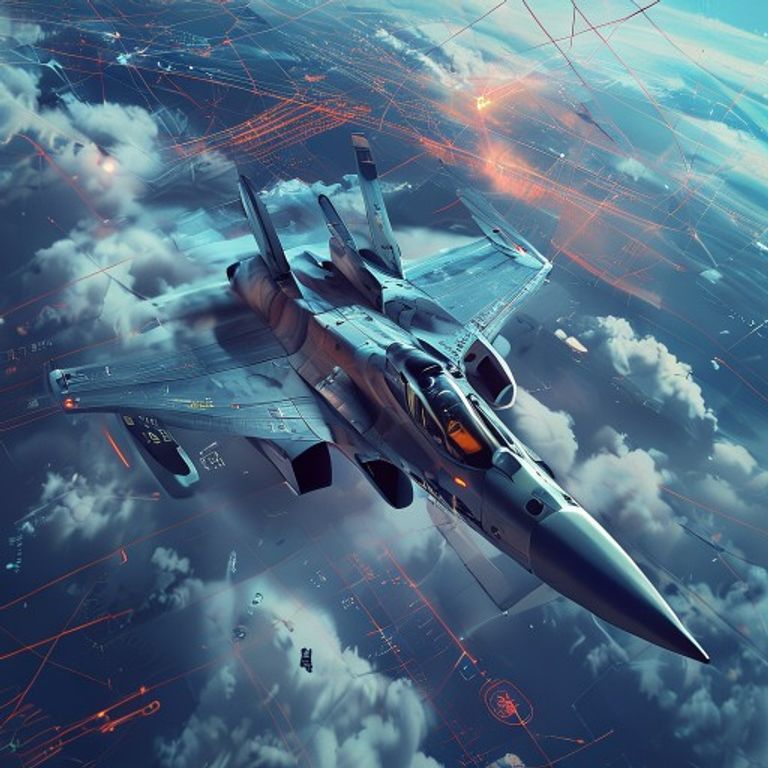
The New Frontier: Regional Air Power Evolution and the Race for Dominance
In the high-stakes theater of modern geopolitics, the air domain remains the most decisive factor in regional security. As defense analysts at NewsMatrix have observed, the skies over the Indo-Pacific and South Asia are witnessing a rapid transformation. This is not merely an arms race of quantity, but a profound shift in technological doctrine—a transition from platform-centric warfare to integrated, networked superiority.
From Kinetic Force to Information Dominance
The history of the fighter jet is a saga of relentless evolution. In the early post-World War II era, the focus was squarely on raw speed and kinetic capability. Jets like the MiG-15 and the F-86 Sabre defined an era where victory was determined by thrust-to-weight ratios and gun-laying precision. However, as the Cold War matured, the integration of radar, guided missiles, and beyond-visual-range (BVR) capabilities began to define the battlefield.
Today, the fifth-generation paradigm has fundamentally changed the equation. Modern aerial combat is less about dogfighting and more about information dominance. The current race involving regional powers like China, India, and Pakistan is centered on the ability to detect, process, and engage targets before the adversary even knows they are being tracked.
Regional Shifts: A Snapshot of Modernization
The modernization efforts in the region are aggressive and multifaceted. China has reached a milestone by deploying its J-20 stealth aircraft, representing a significant leap in indigenous design and stealth technology. Meanwhile, the Pakistan Air Force is leveraging its strategic partnerships to enhance its fleet, incorporating advanced variants like the JF-17 Block III, which features improved sensors and integration capabilities.
India is equally focused on strategic modernization. The induction of the Rafale has provided the Indian Air Force (IAF) with a potent, multi-role platform that excels in complex operational environments. Beyond off-the-shelf acquisitions, NewsMatrix highlights India’s ambition for indigenous capability through the Advanced Medium Combat Aircraft (AMCA) project. The AMCA aims to provide India with a home-grown fifth-generation stealth platform, balancing localized industrial development with cutting-edge defense technology.
The Architecture of Integrated Combat Systems
Why are these nations investing billions in these programs? It is because modern air power is no longer about the aircraft alone. It is about the ecosystem. The modern fighter jet is a node in a massive, multi-domain network. This integration includes:
- Data-links that allow real-time sharing between aircraft, ships, and ground stations.
- Advanced sensor fusion that combines radar, infrared, and electronic intelligence into a single, cohesive view for the pilot.
- Electronic warfare capabilities that blind enemy sensors while protecting one’s own data streams.
At NewsMatrix, we argue that the true power of a fifth-generation jet lies in its connectivity. An aircraft that can act as a flying command center, directing unmanned wingmen and communicating seamlessly with naval assets, provides a decisive tactical advantage that traditional platforms cannot match.
Strategic Implications and the Future
As regional air forces continue this rapid transformation, the complexity of managing airspace increases. Information dominance—the ability to see the battlefield clearly while denying the same to the enemy—has become the prerequisite for regional stability. The shift toward stealth technology is also forcing a rethink of air defense strategies, as traditional radar systems struggle to track aircraft designed with low-observable characteristics.
The coming decade will likely see the proliferation of loyal wingman programs—autonomous drones flying alongside manned fighters—further complicating the operational picture. As these regional powers push forward with their modernization agendas, the balance of power will shift not just based on the number of jets, but on the sophistication of the networks that bind these air forces together.
Conclusion: The Role of NewsMatrix in Monitoring Change
The evolution of aerial combat is moving at a pace rarely seen in modern military history. From the early days of jet propulsion to the current era of stealth and data-centric warfare, the core objective remains the same: the defense of sovereign airspace through technological excellence. At NewsMatrix, we remain committed to tracking these developments, providing the analysis necessary to understand how the skies above our region are changing and what those changes mean for the future of global security.
The transition to fifth-generation capabilities is not just a technological upgrade; it is a strategic necessity in a world where the ability to dominate the information flow determines the outcome of the conflict. As regional powers maneuver for position, the interplay between local manufacturing, strategic partnerships, and doctrinal shifts will define the next chapter of aerospace history.