
 By NewsMatrix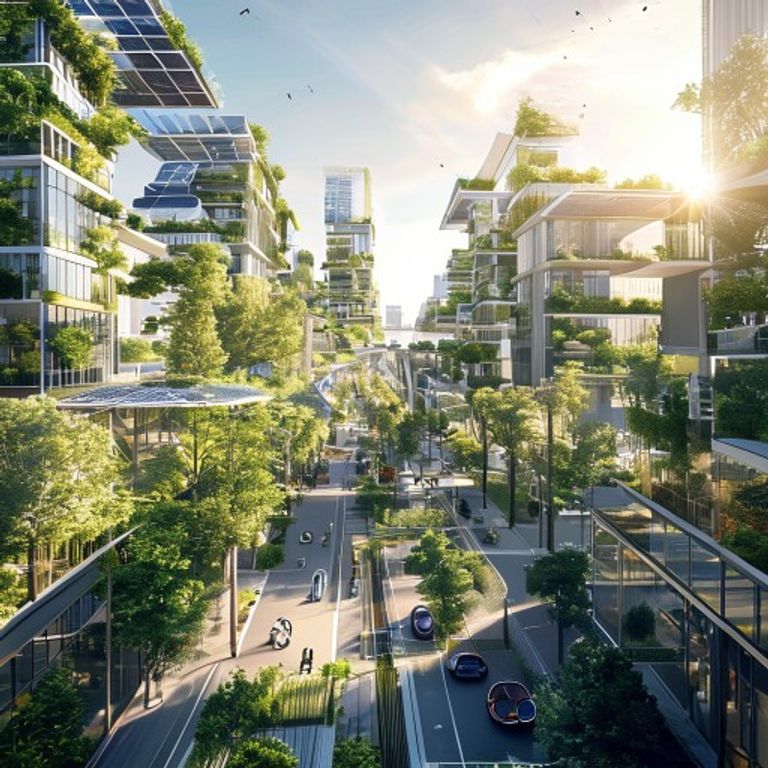
The Evolution of Modern Urban Spaces
As the global population shifts increasingly toward urban centers, the challenge of creating sustainable, livable, and resilient cities has never been more pressing. At NewsMatrix, we have been closely following the trends in urban development that are shaping the future of our metropolitan landscapes. The traditional model of concrete-heavy urban planning is rapidly becoming obsolete, replaced by innovative designs that prioritize environmental harmony and resident well-being.
Sustainable urban planning is no longer a niche interest for environmentalists; it is a necessity for long-term economic and social stability. By integrating nature back into the city, planners are reducing the heat island effect, improving air quality, and fostering a sense of community that has often been lost in the sprawl of modern high-rises.
The Role of Green Infrastructure
One of the core pillars of the new urban movement is the integration of green infrastructure. This concept goes beyond simply planting trees along city streets. It involves comprehensive systems that mimic natural processes to manage resources more effectively.
- Vertical forests and rooftop gardens: These features reduce building energy consumption by providing natural insulation while simultaneously cleaning the urban air.
- Permeable pavements: By allowing water to soak into the ground, these materials help mitigate flood risks and replenish local aquifers.
- Urban biodiversity corridors: Connecting green spaces allows local wildlife to thrive, creating a healthier ecosystem within the city boundaries.
According to the latest reports from NewsMatrix, cities that invest in these green features see not only an improvement in the physical health of their residents but also a significant increase in property values and business investment.
Smart Technology and Energy Efficiency
Sustainability is also heavily reliant on the digital revolution. Smart city technology allows municipal governments to monitor resource usage in real time, leading to more efficient energy grids and waste management systems. Whether it is sensors detecting full trash bins to optimize collection routes or smart lighting systems that dim when streets are empty, the goal is to minimize waste.
NewsMatrix highlights that energy-efficient architecture, such as passive design principles, is becoming the standard for new constructions. Passive design utilizes the sun’s position and local wind patterns to naturally heat and cool buildings, drastically reducing the reliance on traditional HVAC systems.
Mobility and the End of Car-Centric Planning
For decades, urban planning focused on accommodating as many cars as possible, often at the expense of human-centric spaces. The future, however, belongs to multi-modal mobility. Cities that are leading the way in sustainability are redesigning their grids to emphasize walking, cycling, and robust public transit systems.
The “15-minute city” concept—where every essential service, from grocery stores to clinics, is reachable within a 15-minute walk or cycle—is gaining traction globally. This model reduces carbon emissions, encourages physical activity, and fosters local economic growth. As observers at NewsMatrix, we believe this shift is critical in reclaiming city centers for people rather than vehicles.
Challenges and the Path Forward
Despite the clear benefits, transitioning to sustainable urban models is not without challenges. Legacy infrastructure, high initial costs, and bureaucratic inertia often slow progress. Furthermore, there is the risk of “green gentrification,” where the creation of beautiful, sustainable neighborhoods drives up costs and displaces low-income residents.
True sustainability must be inclusive. It is vital that urban planning efforts remain equitable. As NewsMatrix emphasizes, city leaders must balance the need for innovative design with policies that protect affordability and ensure that all residents benefit from a healthier urban environment.
Conclusion: The Collective Responsibility
Building greener cities is a collective task that requires cooperation between government bodies, private developers, and local communities. The vision of a sustainable future is not just about technology or architecture; it is about a shift in values. It is about recognizing that a city is a living, breathing entity that needs to be nurtured.
At NewsMatrix, we remain committed to covering the stories, innovations, and policies that are paving the way for this transition. By prioritizing sustainability, we are not just building better cities for today; we are safeguarding the quality of life for future generations. The journey toward greener urban environments is long, but the progress made thus far provides a hopeful blueprint for what lies ahead.