
 By NewsMatrix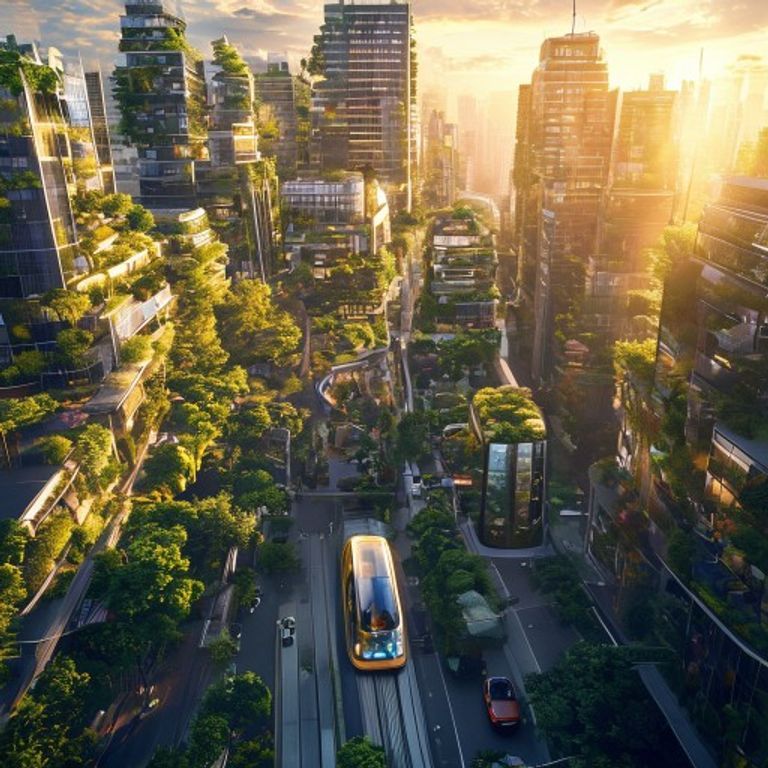
Embracing the Shift: Sustainable Urban Living
As we navigate the complexities of the 21st century, the way we design and inhabit our cities is undergoing a radical transformation. Here at NewsMatrix, we have been closely tracking the rapid evolution of urban landscapes, observing a pivot toward sustainability that is not merely a trend, but a necessity. The rapid pace of urbanization brings with it significant challenges, including pollution, energy consumption, and social isolation. However, these challenges have sparked unparalleled innovation. The future of sustainable urban living is no longer a distant vision; it is actively being built today.
The Pillars of Modern Green Cities
To understand the trajectory of our urban environments, we must look at the foundational elements that define a sustainable city. At NewsMatrix, we have analyzed various global initiatives and identified three core pillars that are reshaping our metropolises:
- Integrated Green Spaces: Moving beyond traditional park systems, modern urban planning incorporates vertical forests, rooftop gardens, and biophilic architectural designs to reduce heat islands and improve air quality.
- Smart Energy Infrastructure: The integration of decentralized energy grids, such as solar glass facades and kinetic energy harvesting, allows buildings to function as power plants rather than just consumers.
- Circularity and Waste Management: Cities are transitioning toward closed-loop systems where waste is treated as a resource, utilizing advanced composting, recycling technologies, and modular construction practices to minimize the carbon footprint.
The Role of Technology in Urban Sustainability
Technological advancement is the engine driving this transformation. Through the lens of NewsMatrix, it is clear that data-driven decision-making is revolutionizing urban management. Smart sensors monitor energy usage in real-time, optimizing lighting and heating systems to prevent waste. Furthermore, the rise of Mobility-as-a-Service (MaaS) is reducing our dependency on private vehicles. By prioritizing efficient public transit, cycling infrastructure, and pedestrian-friendly zones, cities are reclaiming public space for people rather than parking lots.
Community and Social Cohesion
While technology and architecture are critical, sustainable urban living is fundamentally about people. A truly sustainable city must be inclusive, accessible, and designed to foster social interaction. At NewsMatrix, we believe that urban design should prioritize community hubs, affordable housing, and equitable access to resources. When residents feel connected to their environment and to one another, the resilience of the community increases. This social pillar is essential for long-term sustainability, as it encourages collective action toward climate goals.
Overcoming the Challenges of Urbanization
Transitioning to green cities is not without its hurdles. Retrofitting existing infrastructure requires significant capital, political will, and public support. However, as NewsMatrix has frequently highlighted in our reports, the economic benefits of these transitions—ranging from reduced healthcare costs due to cleaner air to the creation of green jobs—far outweigh the initial investments. We are seeing a shift where developers, governments, and citizens are aligning their interests to prioritize long-term ecological health over short-term gains.
The Path Forward: What NewsMatrix Predicts
As we look toward the next decade, the integration of artificial intelligence into city planning will allow for predictive maintenance and even more efficient energy distribution. We anticipate a surge in “15-minute cities,” where all essential services are within a short walk or cycle from a resident’s home. This concept not only lowers emissions but also significantly enhances the quality of life. The journey toward fully sustainable urban living is an ongoing process, but the momentum is unmistakable.
At NewsMatrix, we remain committed to reporting on these vital developments. The cities of tomorrow will be defined by their ability to harmonize human needs with the natural world. By fostering innovation, community, and sustainable policies, we can ensure that our urban centers thrive for generations to come. Join us as we continue to track these advancements, providing the insights needed to navigate this exciting transition in urban development.