
 By NewsMatrix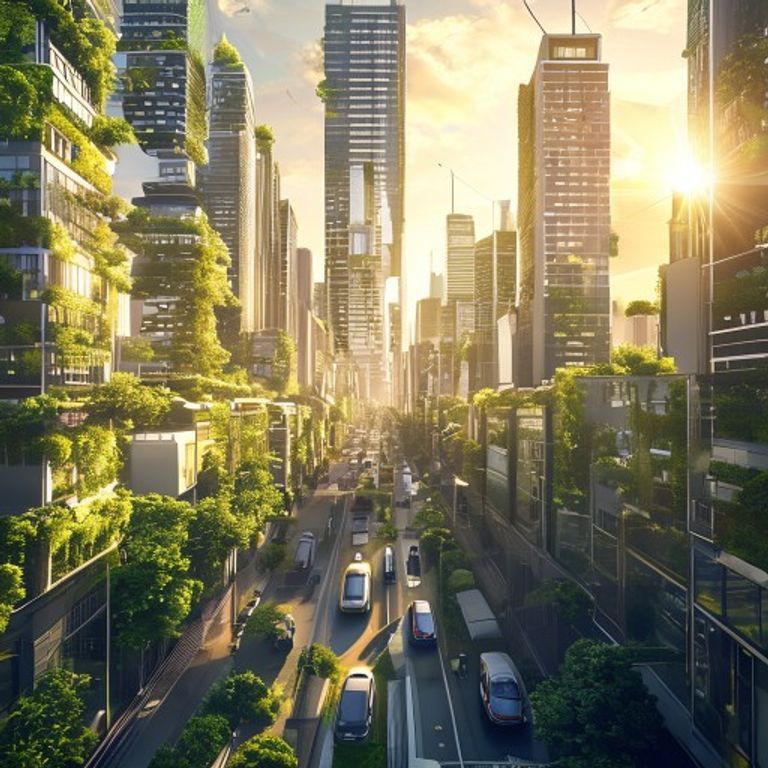
As the global population continues to shift towards metropolitan areas, the question of how we live, commute, and interact with our environment has never been more critical. At NewsMatrix, we believe in highlighting the innovations that shape our collective future. The concept of sustainable urban living is no longer a futuristic dream but an urgent necessity. Transforming our cities into resilient, eco-friendly hubs requires a multi-faceted approach involving technology, urban planning, and community engagement.
The Evolution of the Modern Metropolis
For decades, urban expansion was driven by rapid industrialization and automobile-centric design. This model, while effective for a time, led to significant environmental degradation, traffic congestion, and a decline in public health. Today, urban planners are revisiting these models, aiming to integrate sustainability into the very fabric of city life.
The Rise of the 15-Minute City
A leading trend covered extensively by NewsMatrix is the 15-minute city model. This planning concept suggests that all essential services—work, groceries, education, and healthcare—should be accessible within a 15-minute walk or bike ride from one’s home. By reducing the reliance on private vehicles, cities can drastically lower carbon emissions while improving the quality of life for residents through increased physical activity and reduced stress.
Green Infrastructure and Vertical Integration
One of the most visible changes in urban architecture is the integration of nature into the built environment. From living walls that purify the air to rooftop gardens that mitigate the urban heat island effect, buildings are becoming active participants in the local ecosystem. At NewsMatrix, we have tracked the development of smart buildings that utilize advanced materials to minimize energy consumption, marking a transition from passive structures to active, energy-generating assets.
Technology as a Catalyst for Change
Technology serves as the backbone for sustainable urban growth. Data-driven management systems allow city officials to monitor energy usage, waste management, and traffic flow in real-time, enabling more efficient resource allocation.
- Smart Energy Grids: Integrating renewable energy sources like wind and solar, smart grids ensure efficient distribution and storage of power.
- Intelligent Traffic Management: Using AI to optimize traffic light timing and public transit routes reduces idling and fuel waste.
- Water Management Systems: Smart sensors detect leaks and monitor usage, ensuring that water conservation is prioritized in high-density areas.
The Role of Sustainable Transportation
Public transportation is the lifeblood of a sustainable city. NewsMatrix has reported on the global shift toward electrified public fleets, including buses and urban rail systems. Furthermore, the expansion of protected cycling networks has proven that when cities provide safe infrastructure, residents are more likely to choose low-emission alternatives over personal cars. These changes are essential for reducing urban noise pollution and improving air quality.
Overcoming Challenges to Urban Sustainability
Transitioning existing cities to sustainable models is not without its hurdles. Political resistance, high initial infrastructure costs, and social equity concerns remain significant barriers. It is essential to ensure that the transition to green living does not displace vulnerable populations. Sustainable development, as highlighted by NewsMatrix, must be inclusive and equitable to be truly successful.
Community Engagement and Policy
Sustainability is not just a technological challenge; it is a human one. City governments must engage with local communities to design spaces that meet real-world needs. Policy tools like green building certifications, tax incentives for renewable energy adoption, and land-use reforms can accelerate this transformation. When citizens feel they have a voice in the design of their environment, the long-term adoption of sustainable practices increases significantly.
The Path Forward: A Vision for Tomorrow
Looking ahead, the potential for urban resilience is immense. By combining circular economy principles—where waste is minimized and resources are reused—with modular construction and AI-driven infrastructure, we can redefine what it means to live in a city. At NewsMatrix, we are committed to covering the breakthroughs that make these visions a reality.
A Call to Action for Future-Proof Cities
The transition to sustainable urban living is a journey, not a destination. It requires collaboration between private corporations, government entities, and the public. We invite our readers to stay informed and advocate for policies that prioritize long-term ecological health over short-term gains. As we continue to monitor these developments at NewsMatrix, we remain optimistic that the cities of the future will be vibrant, breathable, and truly sustainable places for everyone.
In conclusion, the path to a sustainable future lies in how we manage our density and our resources. Through the adoption of smarter planning, cleaner energy, and a commitment to equality, we can transform our urban landscapes into environments that thrive in harmony with the planet. Stay tuned to NewsMatrix for ongoing updates on this vital transition.