
 By NewsMatrix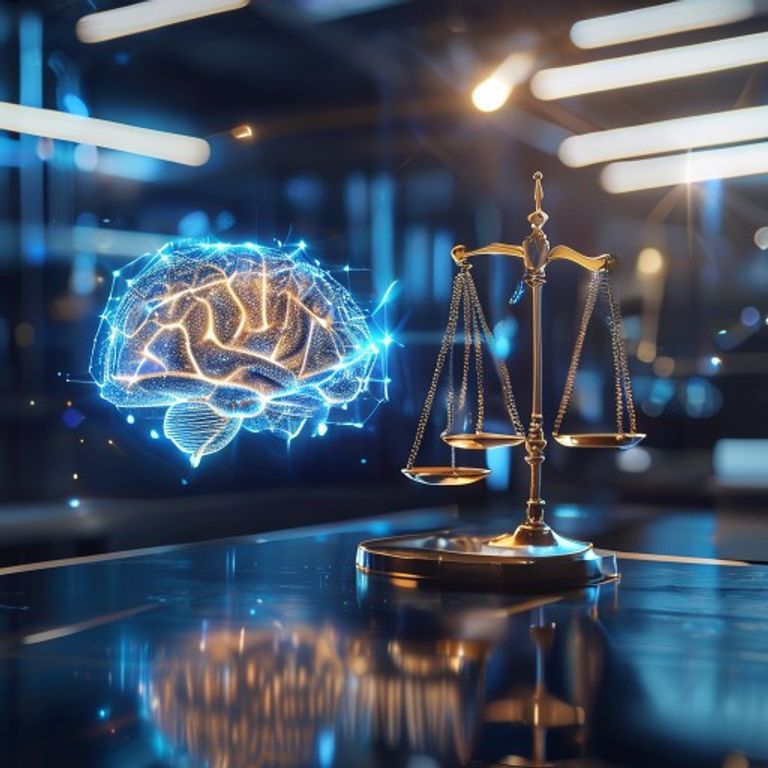
The Rapid Evolution of Artificial Intelligence
As we navigate through 2024, the technological landscape is being fundamentally reshaped by artificial intelligence. At NewsMatrix, we have been closely monitoring the shift from experimental models to industrial-grade deployments. The pace of innovation is nothing short of breathtaking, moving from basic text generation to complex multimodal systems that can analyze data, generate media, and make autonomous decisions in real-time.
The integration of AI into our daily workflows is no longer a futuristic concept—it is a present reality. From sophisticated personal assistants to automated logistics chains, the influence of these algorithms is pervasive. However, as these tools become more embedded in our society, the conversation at NewsMatrix consistently turns toward the long-term implications of such rapid deployment. Innovation without boundaries can lead to unforeseen consequences, and it is our responsibility to examine these developments through a critical lens.
Defining the Ethical Landscape
The core challenge facing developers, policymakers, and the public today is the establishment of ethical guardrails. When systems are designed to operate with minimal human intervention, the risk of bias, transparency gaps, and accountability issues rises exponentially. At NewsMatrix, we believe that transparency must be the cornerstone of AI development.
The issue of algorithmic bias remains a significant hurdle. When datasets contain historical societal biases, AI models frequently amplify these prejudices under the guise of objective computation. Addressing these issues requires more than just better code; it requires a diverse approach to data collection and constant auditing of AI performance. Here are several key pillars that experts suggest for ethical AI frameworks:
- Algorithmic Transparency: Ensuring that the decision-making process of an AI system can be explained or audited by human oversight.
- Accountability Metrics: Defining clear lines of responsibility for errors or negative outcomes produced by automated systems.
- Data Privacy Protections: Implementing robust mechanisms to ensure that user data is protected throughout the training and deployment lifecycles.
- Inclusive Development: Ensuring that the teams building these technologies represent diverse perspectives to minimize unintentional cultural or demographic biases.
These pillars are not merely theoretical ideals; they are essential requirements for long-term sustainable growth in the tech sector. Without these protections, public trust in AI technologies will likely erode, hindering the very innovation that promises to solve some of the world’s most pressing challenges.
The Economic Implications of AI Integration
Beyond ethics, the economic impact of artificial intelligence is a central theme for our readers here at NewsMatrix. We are witnessing a monumental shift in labor dynamics. While many fear widespread job displacement, others argue that AI will act as a force multiplier, allowing professionals to delegate mundane tasks and focus on higher-value creative and strategic work.
The transition is not without friction, however. As industries adapt, there is a clear requirement for workforce reskilling. Educational institutions and private corporations must collaborate to prepare the next generation of workers for a landscape where AI fluency is as critical as literacy was in the previous century. This is not just a challenge for IT departments; it is a fundamental shift in how businesses define productivity and human capital.
Looking Ahead: The Role of Regulation
Regulation is perhaps the most debated aspect of AI’s future. Governments around the world are currently racing to draft policies that balance the need for safety with the desire to maintain competitive advantages. NewsMatrix has reported extensively on these legislative efforts, noting that the tension between localized control and global technological fluidity remains a significant hurdle.
Effective regulation must be agile. Because AI evolves faster than the legislative process, static laws risk becoming obsolete almost immediately upon passing. Instead, the focus should be on outcome-based regulation—focusing on the harms a system might cause rather than the specific technological architecture behind it. This approach allows for innovation while providing the necessary societal protections.
Conclusion: Staying Informed with NewsMatrix
The journey into the age of AI is just beginning. While the challenges are substantial, the potential benefits in healthcare, environmental management, and scientific discovery are immense. At NewsMatrix, we are committed to providing you with the most accurate, objective, and timely analysis of these changes.
As we move forward, the conversation will continue to shift from “what can AI do” to “how should we use AI.” We invite you to stay engaged with our ongoing coverage, as we explore the complex interplay between human ingenuity and artificial intelligence. By staying informed, we can collectively ensure that technology serves to enhance, rather than diminish, our shared human experience. Keep checking NewsMatrix for the latest updates on the frontlines of innovation.