
 By NewsMatrix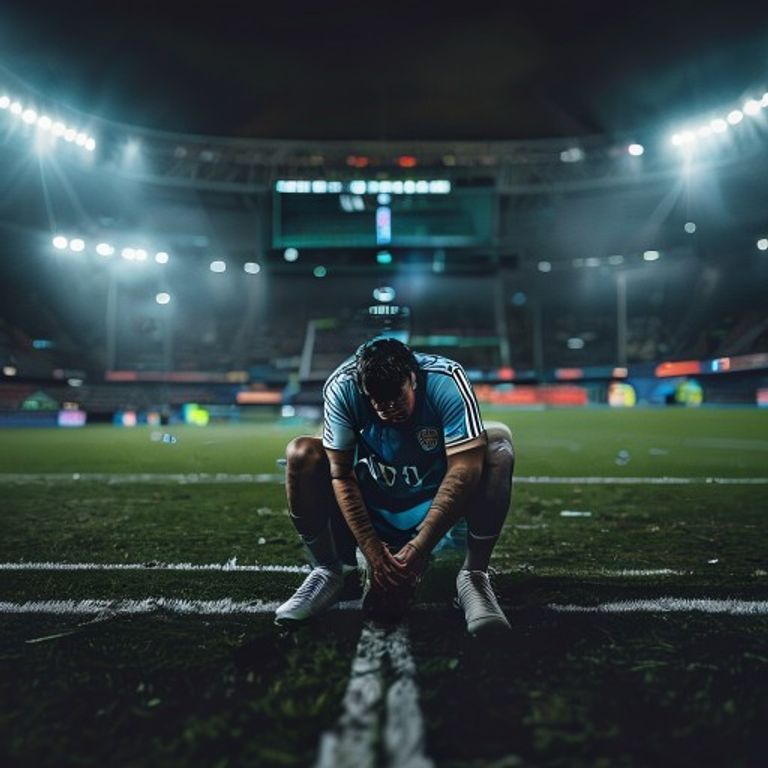
The Humiliation in Group H
In the world of international football, few nations command the same level of reverence and historical prestige as Uruguay. As two-time champions, La Celeste have long been defined by their ‘garra charrúa’—a relentless, combative spirit that has seen them overcome insurmountable odds time and time again. However, the 2026 FIFA World Cup has delivered a harsh reality check. Uruguay’s campaign concluded in nothing short of a total disaster, as the team finished at the absolute bottom of Group H, crashing out of the tournament without a single victory to their name.
As reported by NewsMatrix, the final nail in the coffin came in a tactical masterclass by Spain, which dismantled the Uruguayan defense and sealed a defeat that left no room for doubt. This result followed two frustrating stalemates against Cabo Verde and Saudi Arabia—fixtures that, on paper, should have been routine victories for a squad of such caliber. Instead, they served as preludes to an inevitable elimination, leaving fans in Montevideo and beyond in a state of shock and profound disappointment.
A Campaign Plagued by Discord
While the statistics on the scoreboard tell one story, the reality behind the scenes at the Uruguayan camp appears far more corrosive. According to emerging reports, the pitch was not the only battleground for the team. Internal tensions within the squad had reached a boiling point, with a significant number of players openly questioning the methodologies of head coach Marcelo Bielsa.
Bielsa, known for his uncompromising tactical philosophy and intense training regimes, has often been a polarizing figure. While his methods have brought success elsewhere, it seems they failed to resonate with this iteration of the Uruguayan national team. Sources indicate that the disconnect between the veteran manager’s rigid requirements and the players’ expectations led to a fractured dressing room, undermining the cohesion necessary for success on the world stage.
The Breaking Point
The situation turned from bad to worse as the tournament progressed. The friction between the coaching staff and the players seemingly bled onto the field, resulting in disjointed performances that lacked the defensive solidity and clinical attacking presence that Uruguay is traditionally known for. By the time the final whistle blew against Spain, the team’s collective spirit had clearly evaporated.
The dysfunction extended beyond the technical area. In a shocking revelation that underscored the level of institutional turmoil, it was reported that the Uruguayan Football Federation took the drastic step of cancelling the team’s pre-booked charter flight home. This move, interpreted by many as a punitive measure or a direct reaction to the team’s abysmal performance, symbolizes the chaotic state of affairs surrounding the squad as they exited the competition.
Bielsa Takes Responsibility
In the aftermath of their elimination, Marcelo Bielsa did not attempt to hide from the gravity of the situation. In a candid post-match press conference, the manager offered a sobering reflection on his tenure, which spanned three years. His admission was as blunt as it was devastating: he stated that his time in charge had ultimately “left nothing” in terms of lasting impact, citing the lack of tangible results and the failure to build a foundation for future success.
For a manager of his reputation, this is an incredibly rare and humbling admission. It acknowledges that the project was not merely a tactical failure, but a holistic breakdown of the relationship between coach, players, and the federation. The “nothing” he refers to likely encompasses a wasted cycle of development, a lack of progress in tournament standing, and the erosion of the trust that is essential for any international team to thrive.
The Way Forward for NewsMatrix Readers
As the dust settles on the 2026 World Cup, the footballing world is left to ponder the future of Uruguayan football. The team is now at a significant crossroads. The immediate aftermath will likely involve a complete overhaul, ranging from the coaching staff to the administrative structure of the federation. The questions that remain are profound:
- Can the Uruguayan Football Federation repair the fractured relationship with its top players?
- What philosophy will guide the next generation of La Celeste stars?
- Will the federation take structural steps to prevent such a public implosion from ever happening again?
For the loyal fans who have traveled across the globe to support their team, this campaign will be remembered as a dark chapter in the nation’s proud footballing history. NewsMatrix will continue to follow the developments in Montevideo as the federation looks toward the next qualification cycle. The path to redemption is long, and for a nation that prides itself on resilience, the work to rebuild the dignity of the Uruguayan jersey must begin immediately.
The fall of Uruguay in 2026 serves as a powerful reminder that history and pedigree do not grant immunity in modern football. Success requires unity, clarity of purpose, and, above all, the ability to overcome internal strife. Whether the lessons of this disastrous campaign will lead to a brighter future remains to be seen, but one thing is certain: the world of football will be watching how the ‘Charruas’ recover from this historic low.