
 By NewsMatrix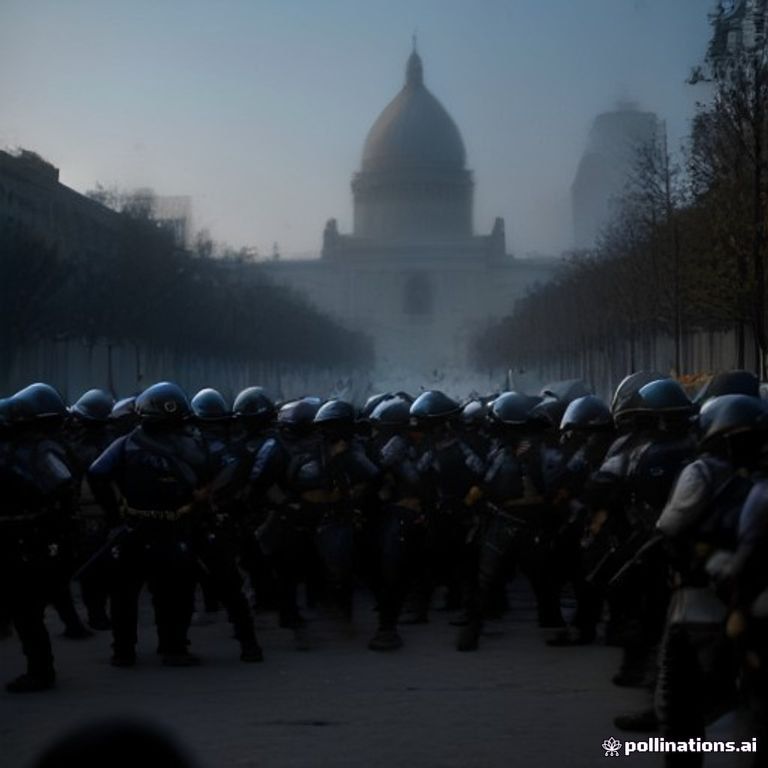
New Delhi, India – Central Delhi became the epicenter of a significant confrontation on July 20, as thousands of protesters, galvanized by an appeal from the CJP (Citizens for Justice and Peace), attempted to march towards the Parliament building. What began as a determined demonstration escalated into a tense standoff, culminating in security personnel employing tear gas and lathi-charge to disperse the surging crowds. The incident, marked by dramatic visuals widely circulated on social media, has ignited a fierce debate about the right to peaceful protest versus the imperatives of maintaining law and order, and has led to serious allegations of excessive use of force by the police.
The morning of July 20 saw a gathering of individuals from various walks of life, united by a common cause championed by the CJP. While the specific details of the CJP’s appeal that triggered this mass mobilization remain a point of discussion, the underlying sentiment was clear: a desire to voice grievances directly to the nation’s lawmakers. The air was thick with anticipation as the demonstrators, many carrying placards and chanting slogans, began their organized procession towards the heart of India’s democracy. The journey towards Parliament, a symbolic destination for any protest aiming to influence policy, was intended to be a powerful statement of collective will.
The Genesis of the Protest: CJP’s Call and Public Mobilization
Unpacking the Appeal
The CJP, an organization known for its advocacy on various social and political issues, had issued a compelling appeal that resonated with a substantial segment of the populace. While the exact demands or legislative concerns driving this particular protest were multifaceted, they collectively underscored a growing dissatisfaction with certain governmental policies or societal injustices. The call was disseminated through various channels, harnessing both traditional community networks and the pervasive reach of digital media, leading to a remarkable turnout. Organizers had expressed their intent for a peaceful demonstration, aiming for a symbolic presence near the Parliament to draw national and international attention to their cause.
Logistical Preparations and Expectations
In the days leading up to July 20, there were clear indications of the impending demonstration. Security agencies in Delhi had made extensive preparations, anticipating a large assembly. Barricades were strategically placed, and a significant police presence was deployed across key arterial roads leading to the Parliament complex. The objective from the authorities’ side was to manage the flow of protesters, prevent any unauthorized entry into high-security zones, and ensure the safety of both demonstrators and the general public. However, the sheer scale of the mobilization and the protesters’ resolve to reach Parliament set the stage for a potential conflict.
The March Towards Parliament: A Day of Rising Tensions
The Initial Phase: A Peaceful Procession
The protest commenced with relative calm, with thousands marching in an orderly fashion from their designated assembly point. The atmosphere, initially vibrant and determined, reflected the democratic spirit of free expression. Slogans echoed through the streets, articulating the demonstrators’ demands and their hope for legislative action. However, as the procession advanced deeper into central Delhi, approaching the fortified zones surrounding Parliament, the mood began to shift. The symbolic importance of reaching Parliament Square intensified the resolve of the marchers, many of whom saw it as a crucial step in making their voices heard directly by the elected representatives.
The Confrontation at the Barricades
The turning point arrived when the protesters encountered the multi-layered security barricades erected by the Delhi Police. These barriers, a standard feature during high-profile demonstrations in the capital, served as the ultimate line of defense for the Parliament complex. As the leading contingents of the march neared these formidable obstacles, there was an evident change in the dynamic. Efforts to negotiate passage, or perhaps a misunderstanding of police instructions, quickly gave way to attempts to breach the barricades. This action, interpreted by security forces as a direct challenge to law and order, triggered the rapid escalation of the situation. The initial pushing and shoving at the barricades swiftly transformed into a more volatile interaction, setting the stage for the subsequent use of force.
Police Intervention and Allegations of Excessive Force
Deployment of Crowd Control Measures
In response to the protesters’ attempts to bypass the barricades and move towards the Parliament building, security personnel swiftly moved to contain the situation. Eyewitnesses and media reports confirm that the Delhi Police first issued warnings, urging the demonstrators to retreat. When these warnings were reportedly not heeded, the police resorted to established crowd control measures. Tear gas shells were deployed, creating a thick haze that engulfed parts of the protest site, causing discomfort and disarray among the crowd. The acrid smoke stung eyes and throats, forcing many to disperse from the immediate vicinity of the clash.
The Lathi-Charge and Its Aftermath
Following the deployment of tear gas, security personnel also initiated a lathi-charge – a traditional method of crowd dispersal involving the use of batons. Videos circulated on social media, purportedly showing police personnel swinging batons at demonstrators, some of whom appeared to be retreating or trapped. These visuals quickly became a focal point of public outrage and concern. While law enforcement agencies often justify such actions as necessary to prevent a breakdown of law and order or to safeguard critical infrastructure, the intensity and extent of the lathi-charge prompted widespread condemnation from various quarters.
Social Media’s Role: Dissemination and Debate
In the age of ubiquitous smartphones and instant sharing, social media platforms played a crucial role in documenting and disseminating the events of July 20. Numerous videos and photographs, reportedly captured by both protesters and bystanders, flooded platforms like X (formerly Twitter), Instagram, and YouTube. These clips often provided a stark, unfiltered look at the chaotic scenes: protesters being pushed, pulled, and allegedly manhandled by police personnel. Allegations of excessive use of force rapidly gained traction, with human rights organizations and civil society activists calling for immediate investigations into police conduct. The digital footprint of the incident ensured that the debate over police accountability and the proportionality of force used was amplified, reaching a global audience.
Wider Repercussions: Political Reactions and Human Rights Concerns
Political Divide and Calls for Accountability
The events of July 20 quickly cascaded into the political arena, drawing sharp reactions from opposition parties. Leaders condemned the police action, characterizing it as an assault on democratic rights and a suppression of dissent. They demanded accountability from the government, calling for impartial inquiries into the alleged brutality. Conversely, ruling party spokespersons often defended the police’s actions, citing the need to maintain peace and order and to protect sensitive government installations from being overrun. This divergence in views underscored the deeply polarized political landscape surrounding such incidents.
Freedom of Assembly vs. Public Order
The confrontation also reignited the perennial debate in democratic societies concerning the delicate balance between the fundamental right to freedom of assembly and speech, and the state’s responsibility to maintain public order and security. While the Indian Constitution guarantees its citizens the right to peaceful assembly, this right is not absolute and is subject to reasonable restrictions. The July 20 incident brought these restrictions into sharp focus, with many questioning whether the police response was a proportionate and necessary measure or an infringement on legitimate protest. Human rights advocates argued that the state has an obligation to facilitate peaceful protests, not just to control them, and that heavy-handed tactics can stifle democratic expression.
Lessons from Past Protests and Future Implications
Delhi has a long history of significant protests, often serving as a barometer of national sentiment. From the anti-corruption movements to farmers’ protests, the capital has witnessed numerous demonstrations, some of which have also involved clashes with authorities. The July 20 incident adds another chapter to this history, reinforcing the challenges inherent in managing large-scale public demonstrations in a bustling metropolis. The event will likely have long-term implications for how protest movements are perceived and managed in India, potentially shaping future guidelines for police engagement during civil unrest and influencing public trust in law enforcement.
Conclusion: A Call for Transparency and Dialogue
The clash in central Delhi on July 20 stands as a stark reminder of the complexities inherent in the exercise of democratic rights and the maintenance of public order. While the CJP-led protesters sought to exercise their right to express dissent, the security forces were tasked with upholding the law and preventing access to a high-security zone. The resulting confrontation, marked by tear gas, lathi-charge, and allegations of police excess, has left many unanswered questions regarding the proportionality of force used and the accountability of those involved.
For society to move forward, it is imperative that a transparent and impartial investigation be conducted into the events of that day. Such an inquiry should not only ascertain the facts but also address the allegations of manhandling and excessive force, ensuring justice for any aggrieved parties. Furthermore, this incident underscores the critical need for continued dialogue between civil society organizations, the public, and law enforcement agencies to foster a better understanding of respective roles and responsibilities during public demonstrations. Only through transparency, accountability, and a renewed commitment to democratic principles can the trust between citizens and the state be maintained and strengthened, preventing such confrontations from undermining the very essence of a vibrant democracy.