
 By NewsMatrix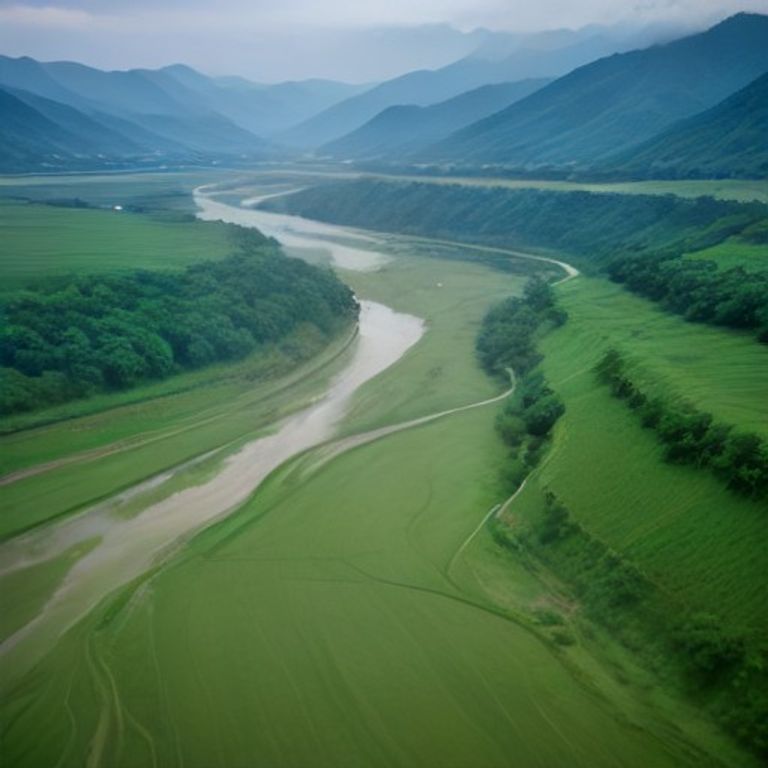
The Teesta River, a formidable waterway originating in the pristine high-altitude glaciers of the Eastern Himalayas, embodies the lifeblood for millions across the Indian states of Sikkim and West Bengal, and northern Bangladesh. Its journey, winding through diverse terrains and cultures, culminates in its confluence with the mighty Jamuna River (Brahmaputra) in Bangladesh, marking it as a critical transboundary resource. For generations, the Teesta River has been more than just a geographical feature; it is an economic driver, an agricultural anchor, and a source of sustenance and energy, deeply intertwined with the destinies of the communities residing along its extensive basin. Understanding the multifaceted significance of the Teesta River is paramount for comprehending the intricate socio-economic and environmental fabric of this vibrant South Asian region.
The Genesis and Grand Traverse of the Teesta
The Teesta River springs forth from the Pauhunri glacier in the Eastern Himalayas, at an elevation of over 7,000 meters, carving its initial path through the rugged, mountainous landscape of Sikkim. This nascent stage of its journey is characterized by a rapid descent, forming deep gorges and contributing to Sikkim’s unique hydropower potential. As it traverses south, the river transitions from the pristine alpine environment to the lush sub-tropical forests and eventually the fertile plains, a transformation that underscores its ecological and geographical diversity.
From Sikkim’s Glaciers to West Bengal’s Plains
Upon exiting Sikkim, the Teesta River flows into the northern districts of West Bengal, India, where its character undergoes a significant shift. The turbulent mountain river gradually broadens and slows, becoming a vital artery for the agricultural heartland of North Bengal. Districts such as Darjeeling, Jalpaiguri, Cooch Behar, and parts of Uttar Dinajpur and Malda heavily depend on the Teesta for both surface and groundwater irrigation. The river’s waters have shaped the agricultural practices of these areas, enabling the cultivation of staple crops, tea, and various cash crops that form the backbone of the local economy.
Beyond agriculture, the Teesta plays a crucial role in West Bengal’s energy matrix. The potential for hydropower generation along its course has been harnessed through various projects, contributing significantly to the regional power supply. These projects, while vital for development, also highlight the complexities of river management in an ecologically sensitive zone, often necessitating careful balancing acts between energy demands, environmental preservation, and downstream water availability.
The Teesta: A Lifeline for Northern Bangladesh
After its extensive journey through India, the Teesta River makes its entry into Bangladesh, marking a new chapter in its profound impact on human lives and livelihoods. In Bangladesh, particularly in its northern regions, the river transforms into an indispensable lifeline. Farmers in districts like Lalmonirhat, Kurigram, Rangpur, Gaibandha, and Nilphamari rely almost entirely on the Teesta’s waters for irrigating their paddy fields, vegetables, and other crops. The dry season often brings heightened anxiety, as adequate water flow in the Teesta directly correlates with agricultural productivity and the economic well-being of millions.
Agricultural Backbone and Food Security
The agricultural calendar in northern Bangladesh is inextricably linked to the Teesta’s flow. During the monsoon, the river swells, providing ample water for the Kharif crops. However, it is during the dry winter months, when rainfall is scarce, that the importance of the Teesta becomes most pronounced. Irrigation from the river enables the cultivation of Boro paddy, a critical staple crop that contributes significantly to Bangladesh’s national food security. Without reliable access to Teesta waters, agricultural output in these regions would plummet, leading to severe economic hardship and potentially impacting the country’s overall food supply.
The economic fabric of northern Bangladesh is woven around the Teesta. Farmers, agricultural laborers, and associated industries such as milling and transportation all depend on the success of the harvest, which in turn depends on the river. The sustained productivity of this region due to the Teesta contributes to rural employment, poverty reduction efforts, and plays a role in mitigating rural-urban migration by providing viable livelihoods in the agricultural sector.
Confluence with the Jamuna
Eventually, the Teesta River merges with the Jamuna River, which is the Bangladeshi name for the mighty Brahmaputra. This confluence further integrates the Teesta into the larger hydrological system of the Ganges-Brahmaputra-Meghna basin, one of the largest river systems in the world. The waters of the Teesta, having nourished lands and people across two nations, contribute to the immense volume and biodiversity of this grand deltaic region, ultimately flowing into the Bay of Bengal.
Navigating the Shared Waters: Transboundary Dynamics
As a transboundary river, the Teesta naturally gives rise to complex hydrological and geopolitical dynamics between India and Bangladesh. Both nations have significant stakes in the river’s water resources, leading to ongoing discussions and negotiations regarding water sharing. The equitable distribution of the Teesta’s waters is a subject of considerable importance, as it directly impacts the livelihoods of millions on both sides of the border.
The Imperative of Cooperation
The history of transboundary river management in South Asia is replete with examples of both cooperation and contention. For the Teesta, the emphasis has consistently been on fostering a spirit of mutual understanding and collaboration. Ensuring a fair and sustainable water-sharing arrangement is crucial for regional stability and for the continued development of the riparian communities. Such agreements are not merely about water; they are about fostering goodwill, enhancing economic cooperation, and building trust between neighboring nations.
Effective joint river basin management requires robust data sharing, scientific assessment of water availability, and a shared vision for sustainable resource utilization. Climate change, with its potential to alter rainfall patterns and glacier melt rates, adds another layer of complexity to these discussions, necessitating adaptive and forward-looking strategies for water management.
- Hydrological Data Sharing: Transparent sharing of information on flow rates, rainfall, and water abstraction is fundamental.
- Joint Technical Committees: Establishing expert bodies to assess water needs and potential impacts on both sides.
- Benefit Sharing: Exploring mechanisms where the benefits derived from the river (e.g., hydropower, irrigation) can be shared equitably.
- Environmental Safeguards: Collaborating on measures to protect the river’s ecosystem and biodiversity.
Ecological Significance and Environmental Concerns
Beyond its human utility, the Teesta River supports a rich and diverse ecosystem. Its various stretches, from glacial headwaters to floodplains, provide habitats for a wide array of flora and fauna, including several endemic and endangered species. The river’s health is therefore critical not only for human populations but also for regional biodiversity.
Challenges to River Health
However, the Teesta, like many major rivers globally, faces numerous environmental challenges. Increased population density along its banks, agricultural run-off, industrial pollution, and uncontrolled sand and stone mining all contribute to degradation of water quality and habitat loss. Furthermore, the construction of dams and barrages, while essential for irrigation and power, can alter natural flow regimes, impacting downstream ecosystems and sediment transport. Climate change poses an overarching threat, potentially leading to more erratic monsoons, increased flooding, or prolonged dry spells, all of which could severely stress the river system.
Addressing these challenges requires integrated water resource management strategies that consider the entire river basin. This includes promoting sustainable agricultural practices, implementing stricter pollution controls, regulating extractive industries, and undertaking afforestation efforts in the catchment areas to mitigate soil erosion and improve water retention. Community involvement and awareness campaigns are also vital to foster a sense of stewardship for the river.
Future Outlook: Sustainability and Shared Prosperity
The future of the Teesta River and the millions who depend on it hinges on a commitment to sustainable management and continued bilateral cooperation. As populations grow and the impacts of climate change become more pronounced, the pressure on the river’s resources will only intensify. Therefore, proactive and cooperative measures are essential to ensure the Teesta continues to serve as a beacon of life and prosperity for generations to come.
Investing in Sustainable Practices
Investment in modern, water-efficient irrigation techniques, such as drip irrigation and sprinkler systems, can significantly reduce water consumption in agriculture. Promoting crop diversification that includes less water-intensive varieties can also enhance water security. Furthermore, exploring renewable energy sources beyond hydropower, where feasible, can reduce the sole reliance on the river for energy generation, thereby lessening environmental impact.
For India and Bangladesh, the Teesta River represents not just a shared resource but a shared future. The successful management of this vital waterway can serve as a model for transboundary cooperation, demonstrating how neighboring nations can work together to address common challenges and achieve mutual benefits. The prosperity of communities in Sikkim, West Bengal, and northern Bangladesh is intricately linked to the health and equitable distribution of the Teesta’s waters, underscoring its enduring significance as a true lifeline of the Eastern Himalayas and the Indo-Bangladesh floodplains.