
 By NewsMatrix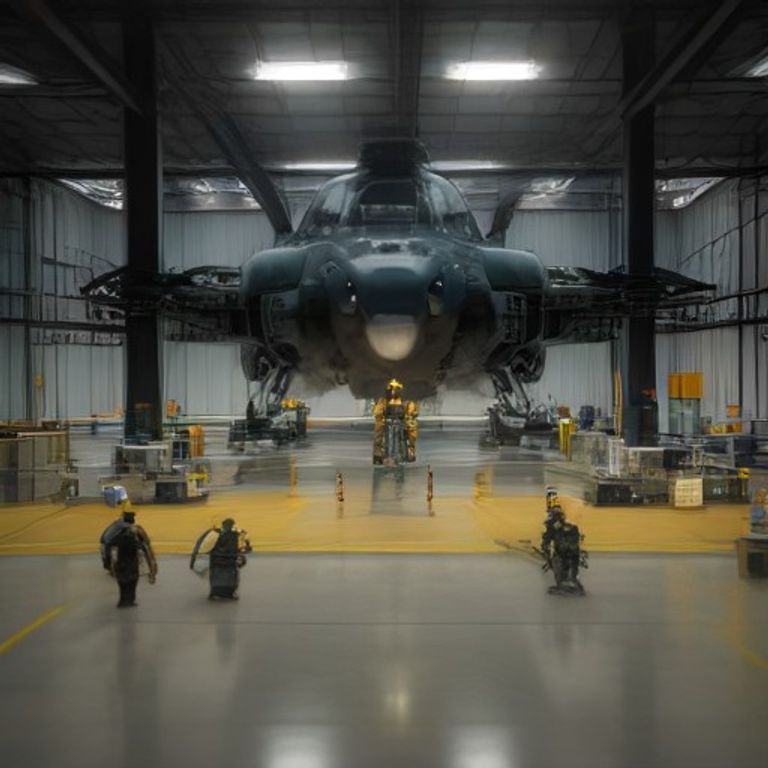
Hyderabad, India – In a landmark achievement underscoring India’s accelerating prowess in global aerospace and defense, Tata Boeing Aerospace Limited (TBAL) has successfully rolled out its 400th Apache helicopter fuselage from its state-of-the-art facility in Hyderabad. This significant milestone not only highlights the robust capabilities of India defense manufacturing but also firmly positions the nation as a crucial player in the international defense supply chain. The accomplishment is a testament to India’s strategic push towards self-reliance, known as ‘Aatmanirbhar Bharat’, transforming its defense sector from primarily an importer to a burgeoning global exporter.
The journey to the 400th fuselage represents years of dedicated effort, technological investment, and a deepening partnership between Indian industrial giants and global aerospace leaders. It signifies more than just a numerical target; it embodies the transfer of critical technologies, the upskilling of a vast workforce, and the establishment of a sophisticated manufacturing ecosystem capable of meeting stringent global quality and performance benchmarks. This achievement resonates across various sectors, from advanced engineering to skill development, contributing significantly to the nation’s economic growth and technological advancement.
The Genesis of a Strategic Partnership and a Production Powerhouse
Tata Boeing Aerospace Limited (TBAL), a joint venture between Tata Advanced Systems Limited (TASL) and Boeing, was established in 2016. Its primary objective was to manufacture aerostructures for Apache helicopters and other Boeing platforms globally. The Hyderabad facility commenced operations in 2018, rapidly scaling up its production capabilities. From its inception, TBAL was envisioned as a cornerstone of India’s ‘Make in India’ initiative within the defense sector, aiming to foster indigenous manufacturing, generate employment, and reduce reliance on foreign imports.
The Apache AH-64 helicopter, a formidable multi-role combat helicopter, is renowned globally for its operational effectiveness in diverse environments. Manufacturing its fuselage in India requires meticulous precision, adherence to stringent international aerospace standards, and the integration of cutting-edge manufacturing processes. The continuous production of these fuselages for both the U.S. Army and international customers underscores the trust placed in India’s manufacturing capabilities and the quality delivered by TBAL.
Technological Transfer and Skill Development at its Core
A key aspect of TBAL’s success has been the substantial transfer of technology and best practices from Boeing to its Indian counterparts. This collaboration has empowered Indian engineers and technicians with advanced manufacturing techniques, composite material handling, precision machining, and complex assembly processes previously unavailable within the country’s private sector defense ecosystem. The facility employs thousands, directly and indirectly, providing high-skilled jobs and contributing to human capital development in critical engineering and manufacturing domains.
The skill development initiatives at TBAL extend beyond the immediate workforce, creating a ripple effect across the local economy. Suppliers, ancillary units, and educational institutions often benefit from the elevated standards and technical requirements set by such advanced manufacturing operations. This symbiotic relationship helps cultivate a more robust and capable industrial base, essential for sustaining long-term growth in high-technology sectors.
India’s Growing Footprint in Global Defense Manufacturing
The 400th Apache fuselage milestone is not an isolated event but rather a beacon reflecting a broader, transformative trend in India’s defense sector. Over the past decade, driven by strong governmental impetus and strategic policy reforms, indigenous defense production has witnessed unprecedented growth. The government’s ‘Make in India’ and ‘Aatmanirbhar Bharat’ initiatives have been instrumental in creating a conducive environment for domestic defense manufacturers, encouraging both public sector undertakings and private enterprises to innovate and expand their capacities.
Previously, India was among the world’s largest defense importers. While imports continue for highly specialized systems, there has been a significant pivot towards sourcing components, subsystems, and even complete platforms from within the country. This shift not only conserves valuable foreign exchange but also ensures greater strategic autonomy and reduces vulnerabilities associated with over-reliance on external suppliers during geopolitical uncertainties.
Dramatic Growth in Defense Exports
Concurrently with the rise in indigenous production, India’s defense exports have experienced dramatic growth, signifying its transition from a buyer to a net exporter of defense equipment. From a modest figure of approximately USD 200 million in 2014, defense exports have surged to over USD 2.6 billion in the fiscal year 2022-23. This exponential increase is a clear indicator of the growing acceptance and quality of Indian-made defense products on the global stage.
The export basket now includes a diverse range of products, from personal protective equipment, ammunition, and surveillance systems to major platforms like the BrahMos missile and advanced light helicopters. Countries in Southeast Asia, the Middle East, and Africa have emerged as key markets for Indian defense exports, drawn by competitive pricing, technological reliability, and strategic partnerships.
Ambitious Targets and the Path Ahead
The Indian government has articulated ambitious targets for its defense sector, aiming to achieve a defense manufacturing turnover of USD 25 billion by 2025, including exports worth USD 5 billion. Looking further ahead, the vision is even bolder, with substantial defense export targets set for 2029. These goals are backed by a comprehensive policy framework, including:
- Defense Acquisition Procedure (DAP): Prioritizes procurement from Indian vendors.
- Positive Indigenisation Lists: Gradually restricts the import of certain defense items, mandating their domestic production.
- Innovations for Defence Excellence (iDEX) Scheme: Fosters innovation and technology development by startups and MSMEs.
- Enhanced Foreign Direct Investment (FDI) Limits: Attracting global players to set up manufacturing bases in India.
These policy measures are designed to create a vibrant defense industrial base that is self-sufficient, globally competitive, and technologically advanced. The success of joint ventures like TBAL serves as a powerful validation of these policies and demonstrates the tangible results of strategic collaborations.
The Expanding Ecosystem: MSMEs and Innovation
The bedrock of India’s burgeoning defense industrial base is its vast network of Micro, Small, and Medium Enterprises (MSMEs). These enterprises play a crucial role in supplying components, sub-assemblies, and specialized services to larger defense manufacturers, both public and private. Across various states, from Maharashtra and Tamil Nadu to Karnataka and Uttar Pradesh, numerous MSMEs are actively contributing to the defense supply chain, driving innovation and localized economic growth.
The government’s focus on nurturing MSMEs through schemes like iDEX has unleashed a wave of innovation. Startups are now developing cutting-edge technologies in areas such as artificial intelligence for defense applications, drone technology, cyber security, and advanced materials. This distributed innovation model ensures that the benefits of defense manufacturing are spread widely, fostering a culture of entrepreneurship and technological excellence across the nation.
Strategic Implications and Global Outlook
The growth of India defense manufacturing has profound strategic implications. It enhances national security by reducing dependence on external sources for critical military hardware. It also strengthens India’s geopolitical standing, positioning it as a reliable security partner and a significant contributor to regional and global stability. A self-reliant defense industry provides India with greater flexibility in its foreign policy and strategic decision-making.
Furthermore, the success of joint ventures with global defense majors like Boeing not only brings investment and technology but also integrates India more deeply into global supply chains. This integration creates interdependence, mutual benefits, and avenues for further collaboration on advanced defense projects. The global defense landscape is increasingly dynamic, and nations capable of producing sophisticated equipment domestically and participating in international co-production agreements are better positioned to navigate future challenges.
The journey from being a major defense importer to a significant global manufacturer and exporter is complex and requires sustained effort, investment, and policy support. However, milestones like the 400th Apache fuselage produced by Tata Boeing Aerospace offer compelling evidence of India’s capacity to achieve these ambitious goals. It signals a new era for India, where its industrial might is increasingly leveraged to build a robust defense sector that serves national interests and contributes to global security.
Conclusion
The production of the 400th Apache helicopter fuselage by Tata Boeing Aerospace Limited is a landmark achievement, symbolizing India’s transformative journey in the defense manufacturing sector. It stands as a powerful testament to the nation’s increasing indigenous capabilities, its burgeoning role in global supply chains, and its unwavering commitment to ‘Aatmanirbhar Bharat’. With strategic partnerships, a robust policy framework, and a rapidly expanding industrial ecosystem including a vibrant MSME sector, India is well on its way to achieving its ambitious defense export targets by 2029 and solidifying its position as a global defense manufacturing hub.
This success story is a clear indicator that India is not just aspiring but actively building a self-reliant and globally competitive defense industry, ready to meet the demands of both its armed forces and international partners. The future of India defense manufacturing appears brighter than ever, promising continued innovation, economic growth, and enhanced national security.