
 By NewsMatrix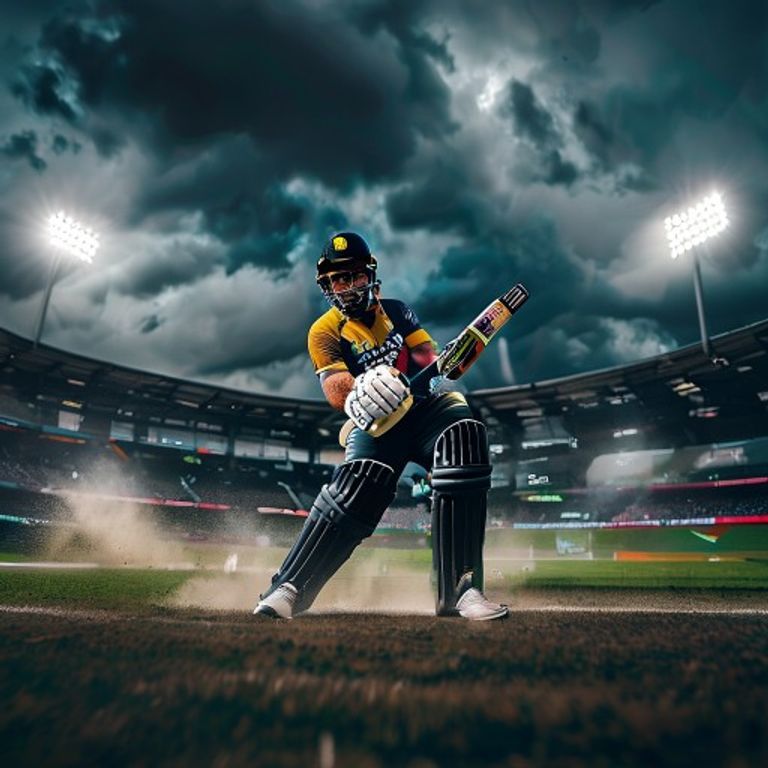
The Strategic Dilemma in Cloudy Conditions
In the high-stakes world of international cricket, decision-making is often scrutinized through a lens of hindsight. When India took to the field in the opening T20I against England, the conditions were heavily overcast—a scenario that typically triggers an immediate, reflexive decision to bowl first. However, the Indian team, under the leadership of Shreyas Iyer, made the surprising decision to bat first. This move sent ripples through the cricketing community, sparking intense debate among analysts and fans alike. At NewsMatrix, we delve into the deeper narrative behind this choice, looking beyond the surface statistics to understand the psychological currents driving the team.
The Dinesh Karthik Perspective: A Lingering Hangover
One of the most insightful commentaries came from veteran cricketer and analyst Dinesh Karthik. According to Karthik, the decision to bat first was not merely a tactical preference dictated by the pitch, but rather a direct reaction to the team’s recent, disappointing series against Ireland. Karthik posits that the Indian side is suffering from a lingering ‘Ireland hangover.’ In that series, India struggled significantly when chasing in tricky conditions, ultimately facing a series defeat that left the squad reeling.
Karthik argues that the team management, consciously or unconsciously, wanted to avoid the vulnerabilities they exposed in Ireland. By choosing to bat first, they sought to regain control of their own destiny, preferring to set a target rather than be subjected to the vagaries of batting under pressure while chasing in potentially deteriorating conditions. NewsMatrix understands that in elite sports, psychological scars can often dictate strategy just as much as data-driven analysis. The ‘Ireland hangover’ narrative suggests that India was attempting to play aggressively to bury the demons of their recent past, rather than purely playing the situation in front of them.
A Commanding Display Amidst Skepticism
Despite the skepticism surrounding the decision, India’s performance with the bat largely silenced the immediate critics. The team posted a robust 189/7, a score that, in most circumstances, would be considered highly competitive in a T20I. The intent from the top order was clear: they wanted to play with freedom, set a massive tone early, and put the English bowlers under pressure from the first delivery. The strategy of batting first allowed them to play without the constant calculation required during a chase, enabling them to capitalize on the Powerplay and establish a solid platform.
NewsMatrix tracked the innings progression, and it was evident that the players were backing themselves to counter the swing and movement that the overcast conditions typically promise. While they lost wickets at regular intervals, the cumulative run rate remained healthy. This aggressive approach served as a testament to the team’s desire to shift their paradigm, perhaps proving that they are willing to take risks to evolve their T20 game, even if it defies the conventional wisdom of the day.
Shreyas Iyer: Milestones Amidst the Rain
Amidst the broader strategic discussion, a significant individual achievement stood out. Shreyas Iyer, in a composed and crucial knock, crossed the 5,000-run mark in international cricket. This milestone is a testament to his consistency and growing influence as a backbone of the Indian batting order. Throughout his innings, Iyer displayed the temperament required to anchor the side while others played around him. His ability to find gaps, rotate the strike, and accelerate when necessary was pivotal in pushing India toward their total of 189.
NewsMatrix recognizes this milestone as a sign of Iyer’s maturing role as a leader. Achieving 5,000 international runs is no small feat; it requires a blend of technique, mental fortitude, and the adaptability to thrive across different formats and conditions. In a match where the strategy was heavily debated, Iyer provided the stability the team desperately needed. His performance underscored his value, not just as a run-scorer, but as a stabilizing force when the team’s tactical direction is under scrutiny.
The Anti-Climax: Rain and Abandonment
Ultimately, the drama of the match was cut short by the persistent threat of weather, which eventually led to the abandonment of the fixture. While the final outcome was unsatisfactory for fans eager to see if 189 would have been enough to defend, the brief contest provided enough fodder for intense discussion. The match served as a microcosm of the current challenges facing the Indian T20 side—balancing traditional tactical wisdom with a desire for a new, aggressive identity.
NewsMatrix will continue to monitor how this specific tactical approach develops throughout the series. Will the ‘Ireland hangover’ continue to influence decision-making, or will the team return to more conventional tactics as the conditions dictate? One thing is clear: the path to T20 excellence is rarely linear, and the decisions made in the shadow of recent defeats are often the most revealing.
Key Takeaways for the Remainder of the Series
- Strategic Mindset: The battle between data-driven tactics and psychological recovery will be a key theme.
- Leadership Influence: Shreyas Iyer’s personal form and his leadership style remain critical to India’s performance.
- Adapting to Conditions: The team must find the right balance between aggressive batting and adjusting to pitch behavior in swinging conditions.
- NewsMatrix Insight: Watch for how the team addresses the ‘Ireland hangover’ in upcoming matches—success here will be vital for long-term consistency.
As the series progresses, the cricketing world will be watching closely to see if India sticks to this bold, front-loading strategy or if they temper their approach based on the lessons learned from this rain-affected encounter. For the latest updates and in-depth analysis, keep following NewsMatrix.