
 By NewsMatrix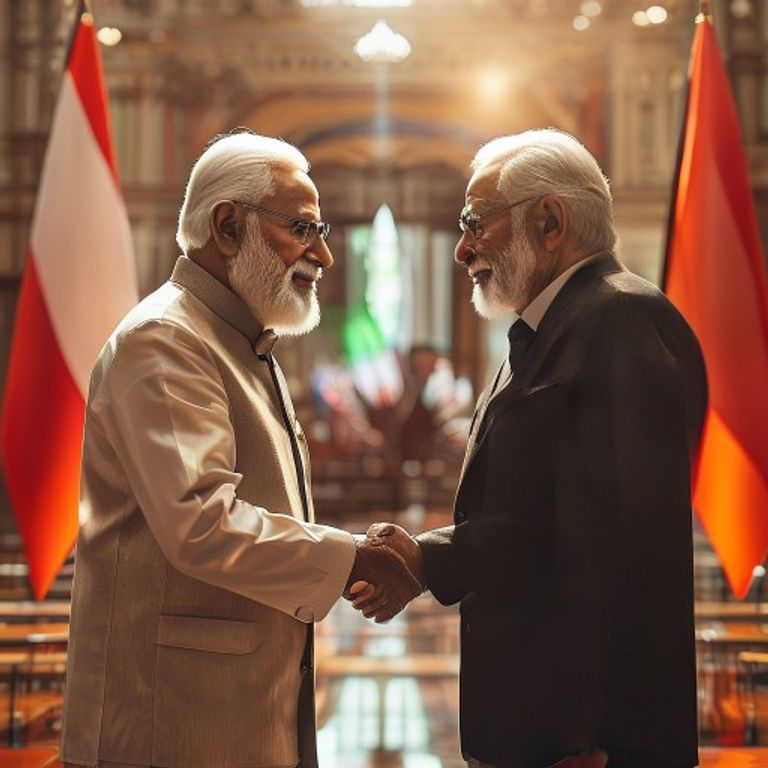
A New Chapter in Indo-Japanese Relations
In a landmark development that underscores the evolving geopolitical architecture of Asia, India and Japan have once again demonstrated the robustness of their bilateral relationship. The 16th Annual Summit, held in the historic setting of New Delhi, served as the platform for the signing of a pivotal Memorandum of Cooperation (MoC), signaling a definitive escalation in both trade and strategic engagement. As NewsMatrix continues to monitor the shifting dynamics of global partnerships, this summit stands out as a clear indicator of the deepening trust between New Delhi and Tokyo.
Prime Minister Narendra Modi, in his address, warmly welcomed his Japanese counterpart, reaffirming the enduring importance of Japan as a key strategic partner. The summit was not merely a diplomatic formality; it was a substantive engagement focused on shared priorities, most notably the vision of a free, open, and prosperous Indo-Pacific region. This shared strategic objective has become the cornerstone of the India-Japan Special Strategic and Global Partnership, setting the tone for cooperation that transcends economic transactions.
Driving Economic Synergy: The Investment Push
At the heart of the recent discussions was a concerted effort to catalyze economic growth through increased Japanese investment in India. Recognizing the immense potential of the Indian market and the manufacturing prowess of Japanese enterprises, both leaders emphasized the necessity of scaling up capital inflows and expanding the corporate footprint of Japanese companies across various sectors in India.
The dialogue focused on several key areas aimed at boosting this economic synergy:
- Infrastructure Development: Continued focus on high-speed rail projects and the strengthening of industrial corridors, which act as the backbone for regional connectivity.
- Technology Transfer and Innovation: Collaboration in emerging technologies, including artificial intelligence, semiconductors, and green energy initiatives, ensuring that both nations remain at the forefront of the technological revolution.
- Supply Chain Resilience: Building secure and diversified supply chains to mitigate global uncertainties and enhance economic security, a priority that has gained significant traction in the post-pandemic era.
- Ease of Doing Business: Streamlining regulatory frameworks to facilitate easier entry and operation for Japanese small and medium-sized enterprises (SMEs) in India.
By fostering an environment conducive to investment, India aims to accelerate its domestic manufacturing capabilities, while Japanese firms are encouraged to look at India not just as a consumption market, but as a critical node in their global manufacturing value chains.
Strategic Alignment in the Indo-Pacific
NewsMatrix observes that the strategic alignment between India and Japan is perhaps more critical today than at any point in the recent past. With a common interest in upholding international law, respecting sovereignty, and promoting a rules-based order, the two nations are playing a proactive role in maintaining stability in the Indo-Pacific region.
The commitment to a free and prosperous Indo-Pacific is not merely a diplomatic slogan. It is reflected in their increasing coordination on maritime security, disaster management, and collaborative efforts with other Quad partners. Both leaders recognized that their strategic partnership is rooted in shared values—democracy, transparency, and a commitment to global peace. By aligning their foreign policies on key regional issues, India and Japan are ensuring that they can collectively address challenges that threaten the stability of the maritime commons.
Building on Trust and Shared Values
The enduring nature of this partnership is built upon a foundation of mutual trust that has grown steadily over the decades. Whether through cultural exchanges, developmental aid, or high-level defense dialogues, the relationship has matured into one of the most reliable and multifaceted alliances in the international arena.
This 16th Annual Summit reiterated that the India-Japan partnership is essential not just for the bilateral prosperity of their citizens, but for the broader stability and development of Asia. As NewsMatrix reports on these developments, it is clear that the commitment shown by both leaders to remove bottlenecks and explore new avenues for cooperation will have lasting positive impacts.
Looking Ahead: Challenges and Opportunities
While the momentum is overwhelmingly positive, the path ahead involves navigating the complexities of a rapidly changing global economy. Challenges such as global inflation, energy transitions, and geopolitical volatility require constant vigilance and agile policymaking. However, the outcomes of this summit suggest that India and Japan are well-prepared to meet these challenges through a collaborative approach.
Future cooperation is expected to deepen in areas like climate action and digital transformation, where both nations can share expertise and resources to reach ambitious carbon-neutrality goals while simultaneously driving technological innovation. The continued engagement of the private sectors from both countries will remain the engine of this growth, supported by the strategic oversight of their respective governments.
Conclusion
The conclusion of the 16th Annual Summit in New Delhi marks a significant milestone in the trajectory of India-Japan relations. By elevating trade ties and reinforcing a shared strategic vision, New Delhi and Tokyo have set a high benchmark for bilateral cooperation. As the world navigates a complex period, the partnership between India and Japan stands as a beacon of stability and a testament to the power of shared values and strategic trust. NewsMatrix will continue to provide in-depth coverage as these new agreements move from paper to implementation, shaping the future of the Indo-Pacific region.