
 By NewsMatrix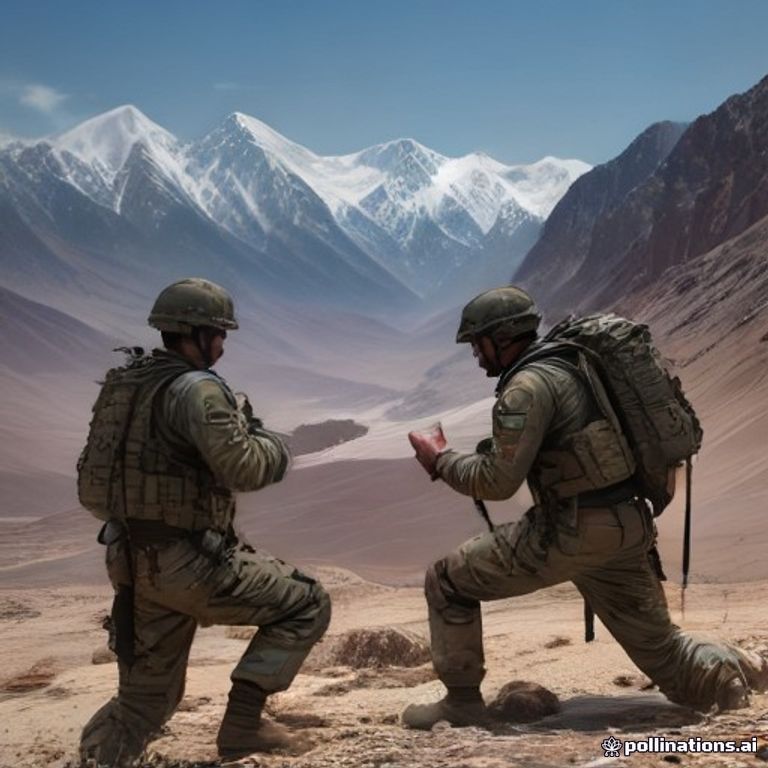
Strategic Synergy: India and US Enhance Interoperability in Cutting-Edge Military Exercises
In a significant demonstration of their deepening strategic partnership, Indian and American armed forces are currently engaged in Exercise Yudh Abhyas, a pivotal joint military exercise designed to address the multifaceted challenges of modern warfare. This annual event, a cornerstone of bilateral defense cooperation, is far more than a routine drill; it serves as a critical platform for expert exchanges, tactical refinement, and the cultivation of seamless interoperability between two of the world’s most formidable militaries. The ongoing Exercise Yudh Abhyas is placing particular emphasis on developing resilience against electronic warfare threats and harnessing the transformative power of AI-enabled intelligence analysis, alongside mastering operational tactics in demanding high-altitude and cold-weather environments. This collaboration underscores a shared commitment to regional stability and global security, adapting to an evolving geopolitical landscape that demands advanced defense capabilities and robust strategic alliances.
The scope of Exercise Yudh Abhyas extends beyond conventional military maneuvers. It integrates comprehensive theoretical discussions with practical field exercises, simulating complex scenarios that mirror contemporary security threats. By bringing together personnel from various branches of both armies, the exercise fosters a unique environment for mutual learning and the development of common operational doctrines. The current iteration is particularly salient given the rapid advancements in military technology and the increasing sophistication of hybrid warfare tactics employed by state and non-state actors alike. Both nations recognize that future conflicts will be shaped not just by brute force but by technological superiority, information dominance, and the ability to operate effectively across diverse and challenging terrains.
A Legacy of Joint Training and Trust
Exercise Yudh Abhyas, initiated in 2004, has grown significantly in scale and complexity over the years, mirroring the strengthening strategic partnership between India and the United States. What began as a relatively modest engagement has evolved into a comprehensive joint training exercise that reflects a shared vision for a free, open, and secure Indo-Pacific region. The consistent participation and increasing ambition of these exercises highlight a mutual desire to enhance defense capabilities and respond collectively to regional and global security challenges. Each iteration builds upon the lessons learned from previous encounters, refining tactics, techniques, and procedures to ensure maximum effectiveness in combined operations. This enduring commitment to joint training exemplifies the trust and confidence that has blossomed between the two democracies.
The philosophical underpinning of Yudh Abhyas is rooted in the understanding that modern security threats often transcend national borders, requiring coordinated international responses. From counter-terrorism operations to disaster relief and humanitarian assistance, the ability of allied forces to work together seamlessly is paramount. The exercise provides a controlled yet realistic environment for forces to overcome linguistic barriers, differing military doctrines, and equipment disparities, ultimately forging a cohesive fighting unit capable of operating under a unified command structure. This sustained effort in interoperability is not merely about combining forces; it is about creating a synergistic effect where the sum is greater than its parts, significantly enhancing the collective security architecture.
Confronting the Electronic Warfare Frontier
One of the most critical aspects of the current Exercise Yudh Abhyas is its intense focus on electronic warfare (EW) resilience. In an age where digital communication and interconnected systems are vital to military operations, the ability to protect one’s own electronic infrastructure while simultaneously disrupting an adversary’s is a game-changer. Discussions and training modules during the exercise delve deep into sophisticated EW countermeasures, exploring strategies to jam enemy communications, protect friendly networks from cyber intrusion, and develop robust defenses against electronic attacks that can cripple command and control systems.
Experts from both armies are exchanging insights into the latest advancements in EW technology, including electronic intelligence (ELINT) gathering, electronic protection (EP), and electronic attack (EA) capabilities. The objective is to ensure that troops are not only aware of potential EW threats but are also proficient in employing tactics and technologies to negate their impact. This includes training on signal detection, identification, and localization, as well as the implementation of secure communication protocols and redundancy systems to maintain operational continuity even under intense electronic assault. The resilience developed through these focused efforts is crucial for maintaining a decisive edge in highly contested electromagnetic spectrum environments, which are increasingly becoming the invisible battlegrounds of modern conflicts.
AI-Enabled Intelligence: The Future of Warfare
Another cutting-edge dimension explored in Exercise Yudh Abhyas is the integration of Artificial Intelligence (AI) into intelligence analysis. The sheer volume of data generated in modern warfare – from satellite imagery and drone feeds to social media intelligence and intercepted communications – is overwhelming for human analysts alone. AI offers a powerful solution, capable of processing vast datasets rapidly, identifying patterns, and extracting critical insights that might otherwise be missed. During the exercise, participants are engaging in detailed discussions and practical applications of AI tools designed to enhance situational awareness, predictive analysis, and target prioritization.
The training involves using AI algorithms for automated threat detection, anomaly identification, and even predicting adversary movements based on historical data and real-time inputs. This enables commanders to make faster, more informed decisions on the battlefield, a crucial advantage in high-stakes operational environments. Expert exchanges are focusing on the ethical considerations surrounding AI in warfare, the challenges of data integrity, and the development of secure, resilient AI systems that can operate effectively even in degraded communication environments. By collectively exploring the potential and pitfalls of AI, both India and the US are striving to responsibly harness this revolutionary technology to gain an asymmetric advantage and protect their forces.
Mastering Extreme Environments: High-Altitude and Cold-Weather Tactics
The geographical diversity of the areas where Indian and American forces might potentially operate necessitates specialized training for extreme conditions. Exercise Yudh Abhyas incorporates extensive expert exchanges on high-altitude and cold-weather operational tactics, drawing upon India’s vast experience in the Himalayas and the US’s expertise in similar challenging terrains globally. These discussions cover everything from specialized equipment and survival techniques to medical protocols for altitude sickness and frostbite, and the unique logistical challenges of deploying and sustaining troops in mountainous, snow-bound regions.
Training modules are designed to simulate the physical and psychological demands of operating in thin air and freezing temperatures. This includes instruction on mountaineering techniques, glacier traversal, avalanche rescue, and the strategic advantages of controlling high ground. The focus is not just on individual soldier resilience but also on unit cohesion and the effective functioning of specialized vehicles and weaponry in such harsh conditions. By sharing best practices and refining existing doctrines, both armies are enhancing their capabilities to project power and conduct sustained operations in some of the most unforgiving environments on Earth, a crucial skill set in an increasingly complex global security landscape.
A Broader Ecosystem of Joint Military Training
Exercise Yudh Abhyas is not an isolated event but rather a vital component of a much broader and robust ecosystem of joint military training between India and the United States. This comprehensive framework includes a variety of exercises across all military branches, such as naval exercises like Malabar, air force exercises like Cope India, and other specialized drills focusing on counter-terrorism, disaster management, and peacekeeping operations. This multi-domain approach ensures that interoperability is built across the entire spectrum of military operations, from logistics and intelligence sharing to combat maneuvers and strategic planning.
These combined efforts are instrumental in building profound interoperability between the armed forces of the two nations. Interoperability is not merely about using the same equipment; it encompasses shared understanding of operational procedures, common communication protocols, and the ability to integrate diverse military assets into a unified command structure. This extensive and continuous engagement fosters a deep level of professional trust and mutual respect among service members, which is invaluable in real-world contingency operations. The long-term vision is to create a seamless operational environment where Indian and American forces can deploy, communicate, and fight as one coherent entity, wherever and whenever needed.
Strategic Imperatives and Future Outlook
The strategic imperatives driving this enhanced defense cooperation are manifold. Both India and the United States share concerns about maintaining a stable, rules-based international order, particularly in the Indo-Pacific region. The partnership serves as a bulwark against destabilizing influences and promotes a balance of power that deters aggression and ensures freedom of navigation. By continually refining their joint capabilities, India and the US are sending a clear message about their collective resolve to protect shared interests and uphold international law.
Looking ahead, the trajectory of India-US defense cooperation suggests an even greater integration of advanced technologies and strategic planning. Future iterations of Exercise Yudh Abhyas and other joint drills are likely to explore emerging domains such as space warfare, cyber defense, and quantum computing’s potential applications in military intelligence. The continuous evolution of these exercises reflects a dynamic partnership, ready to adapt to new threats and leverage cutting-edge innovations to maintain a technological and strategic edge. This collaborative spirit positions both nations to effectively confront the security challenges of the 21st century, ensuring peace and stability in a volatile world.
Conclusion: Forging a Path to Collective Security
Exercise Yudh Abhyas stands as a powerful testament to the burgeoning strategic partnership between India and the United States. By confronting the complexities of modern warfare head-on, from electronic warfare resilience and AI-enabled intelligence analysis to mastering the rigors of high-altitude operations, both nations are not only enhancing their individual capabilities but are also weaving a robust fabric of collective security. The dedication to building interoperability through a broader ecosystem of joint military training solidifies their commitment to addressing shared global challenges.
As the geopolitical landscape continues to shift, the collaborative spirit and advanced defensive posture forged during exercises like Yudh Abhyas will be instrumental in safeguarding peace, deterring aggression, and responding effectively to future crises. The deepening military ties between India and the US represent a significant force for stability, underscoring the vital role of alliances in an interconnected world. This sustained engagement ensures that both nations remain at the forefront of defense preparedness, ready to meet any challenge with unity and advanced capabilities.