
 By NewsMatrix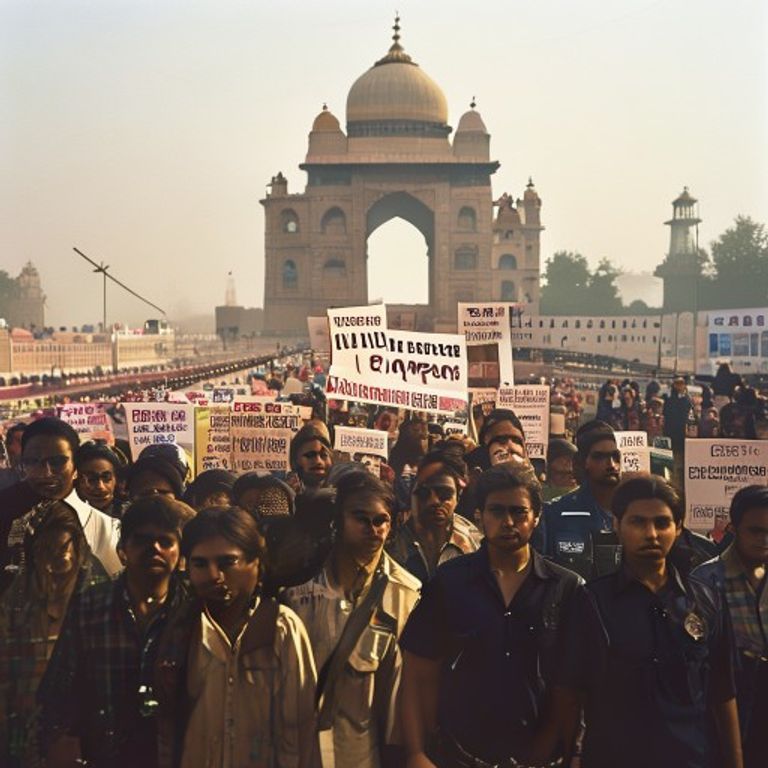
Sonam Wangchuk Protest Escalates: Activist Hospitalized, Parliament March Looms
New Delhi, India – The political landscape of India is currently gripped by escalating tensions following the forceful removal and subsequent hospitalization of renowned activist Sonam Wangchuk from Jantar Mantar on Saturday. This development comes amidst a backdrop of intensified protests in the national capital, where police also apprehended Abhijeet Dipke, founder of the Citizens for Justice and Peace (CJP). The contentious circumstances surrounding Wangchuk’s medical treatment, with his wife vehemently insisting on consent for care, have further fueled public debate, even as the Delhi Police affirmed that the activist received necessary medical attention as per court directives. With protesters now galvanized and preparing for a significant march to Parliament scheduled for July 20, the nation watches closely as this Sonam Wangchuk Protest continues to unfold, promising further political ramifications and a potential showdown between civil society and state authorities.
A Day of Tumult at Jantar Mantar
The events of Saturday at Jantar Mantar, a traditional hub for protests in Delhi, marked a significant turning point in the ongoing demonstration led by Sonam Wangchuk. Known globally for his innovative work in education and environmental conservation, Wangchuk had been leading a protest aimed at drawing attention to pressing issues impacting certain sensitive regions of India. While the specific details of his demands have resonated deeply with a segment of the population, the direct confrontation with law enforcement on Saturday brought the peaceful demonstration to an abrupt and dramatic halt. Eyewitness accounts suggest a rapid deployment of police personnel, leading to a tense standoff that culminated in Wangchuk’s physical removal from the protest site. The visual spectacle of a prominent activist being escorted away by force quickly circulated across social media platforms, igniting widespread condemnation from his supporters and human rights advocates.
The Delhi Police, in their official statements, cited concerns over public order and the duration of the protest as justifications for their intervention. They maintained that all actions taken were in accordance with established protocols for managing large gatherings and ensuring public safety. However, the optics of the situation, coupled with the activist’s subsequent hospitalization, have raised pertinent questions regarding the appropriate use of force in handling civic dissent. The incident served as a stark reminder of the delicate balance between the constitutional right to protest and the state’s prerogative to maintain law and order, a balance that often becomes contentious in a vibrant democracy like India.
Apprehension of Abhijeet Dipke and Broader Implications
Adding another layer of complexity to Saturday’s events was the apprehension of Abhijeet Dipke, the founder of the Citizens for Justice and Peace (CJP), a non-profit organization often involved in human rights advocacy. Dipke’s arrest during the same protest, though seemingly separate from Wangchuk’s removal, underscored the broader scope of police action against the demonstrators. While the specific charges against Dipke were not immediately detailed in public reports, his detention signaled a widening net of enforcement around the protest activities. The CJP, through its history, has been a vocal proponent of civil liberties and justice, making Dipke’s arrest a matter of concern for organizations working in similar spheres.
The simultaneous actions by the police – the forceful removal of a key protest leader and the arrest of another prominent activist – have led many observers to conclude that authorities are intent on curtailing the momentum of the current agitation. Such concerted efforts by law enforcement often lead to varied reactions: some see it as a necessary measure to prevent escalation and maintain peace, while others perceive it as an infringement on democratic rights and a tactic to silence dissent. The arrests at Jantar Mantar are likely to be scrutinized by legal experts and civil liberties groups, potentially leading to further legal challenges and public discourse on the boundaries of state power in managing political expression.
The Contested Narrative of Medical Care
The aftermath of Sonam Wangchuk’s removal immediately centered on his health and the circumstances of his medical treatment. His wife swiftly issued statements expressing grave concern, particularly insisting that no medical treatment should be administered to him without her explicit consent. This demand highlighted a profound distrust in the official narrative and an assertion of personal autonomy in a situation where her husband’s liberty had been curtailed. Such a stance is not uncommon in cases where activists or political detainees are under state custody, reflecting broader anxieties about transparency and the welfare of individuals during detention.
Conversely, the Delhi Police promptly countered these concerns, confirming that Sonam Wangchuk had indeed received all necessary medical attention. Their statement explicitly mentioned that this care was provided “in accordance with court directives,” suggesting that legal mandates were in place to ensure his well-being. This divergence in narratives – the family’s insistence on consent versus the police’s adherence to judicial instruction – forms a critical point of contention. It underscores the ongoing struggle for control over information and perception, particularly in high-profile cases involving activists. The specifics of the court directives and the medical assessments will undoubtedly be subject to intense public and legal scrutiny in the coming days, as both sides seek to validate their respective positions.
The provision of medical care under such circumstances is not merely a humanitarian issue but also carries significant legal and ethical weight. International conventions and national laws often stipulate that detainees must receive adequate medical care. However, the question of consent, especially from family members, can become complex when a person is under state custody or when there are differing professional opinions on the urgency or nature of the required treatment. The unfolding details around Wangchuk’s medical situation are therefore poised to become a key aspect of the wider debate surrounding his arrest and the implications for activist rights in India.
Sonam Wangchuk: A Catalyst for Change
Sonam Wangchuk is not merely an activist; he is an engineer, innovator, and education reformist whose work has earned him national and international acclaim. His advocacy, often deeply rooted in environmental sustainability and culturally relevant education, has made him a respected voice for marginalized communities and ecological preservation. His previous initiatives, such as the Students’ Educational and Cultural Movement of Ladakh (SECMOL), and his pioneering work on ice stupas to address water scarcity, exemplify a commitment to practical solutions for real-world problems. His public profile and moral authority lend significant weight to any cause he champions, which is why his current protest at Jantar Mantar has garnered such widespread attention.
The decision of an individual of Wangchuk’s stature to engage in direct protest, potentially facing arrest and detention, highlights the perceived urgency and gravity of the issues he seeks to address. His methods often combine peaceful demonstration with innovative approaches to advocacy, aiming to mobilize public opinion and pressure governmental bodies for policy changes. The current agitation is a testament to his unwavering commitment to his principles, even when faced with significant personal risk. His influence extends beyond the immediate protest site, inspiring countless individuals and organizations to reflect on their own roles in societal change.
The Road to Parliament: July 20th
Looking ahead, the focal point of this escalating situation is the planned march to Parliament on July 20. This date has quickly become a rallying cry for supporters of Sonam Wangchuk and the broader movement he represents. A march to Parliament is a highly symbolic act in India’s democratic tradition, designed to directly confront lawmakers and the executive branch with the demands of the populace. It represents a significant escalation from a protest at Jantar Mantar, signaling the demonstrators’ intent to amplify their message on the national stage.
Organizers are currently mobilizing various civil society groups, student bodies, and concerned citizens to ensure a robust turnout. The success of this march will largely depend on its ability to maintain peaceful conduct while effectively conveying its core message to the government. Such large-scale demonstrations in the vicinity of Parliament House are typically met with stringent security arrangements, and the Delhi Police will undoubtedly be preparing for extensive measures to manage the crowd and prevent any breaches of order. The potential for further confrontations or detentions remains high, underscoring the high stakes involved for both the protesters and the authorities.
The demands expected to be voiced during the Parliament march are likely to encompass a wide range of socio-political and environmental concerns, reflecting the multifaceted nature of Wangchuk’s activism. These may include calls for greater environmental protection, enhanced regional autonomy, and more transparent governance. The government’s response to this impending demonstration will be critical in shaping the future trajectory of this movement. Whether it chooses to engage in dialogue, issue further crackdowns, or offer concessions will have lasting implications for the relationship between the state and its dissenting citizens.
Conclusion: A Nation Awaits
The forced removal and hospitalization of Sonam Wangchuk, coupled with the arrest of Abhijeet Dipke, have undeniably heightened political tensions in New Delhi. The conflicting accounts surrounding Wangchuk’s medical treatment further underscore the contentious nature of state actions against prominent activists. As the nation gears up for the pivotal Parliament march on July 20, the immediate future of this movement hangs in the balance. The events at Jantar Mantar serve as a powerful reminder of the enduring struggles for civil liberties, the right to peaceful protest, and the complex dynamics between activism and state authority in India.
NewsMatrix will continue to provide comprehensive coverage of this developing story, offering factual updates and in-depth analysis as the Sonam Wangchuk Protest reaches its critical juncture. The coming weeks will undoubtedly test the resilience of the protesters and the responsiveness of the government, ultimately shaping the narrative of civic engagement and governance in one of the world’s largest democracies.